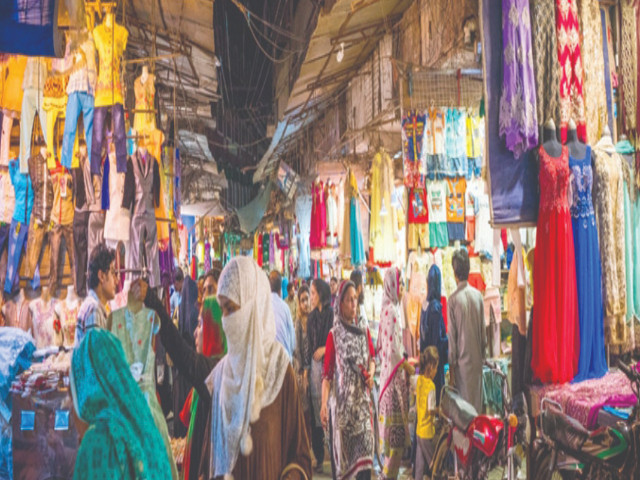
Rawalpindi markets reopen briefly before police enforce closures again
Markets in Rawalpindi briefly reopened after Iran-US ceasefire talks before police again ordered closures, prompting protests from trader bodies. Traders said mixed instructions from the administration and police caused confusion and losses.

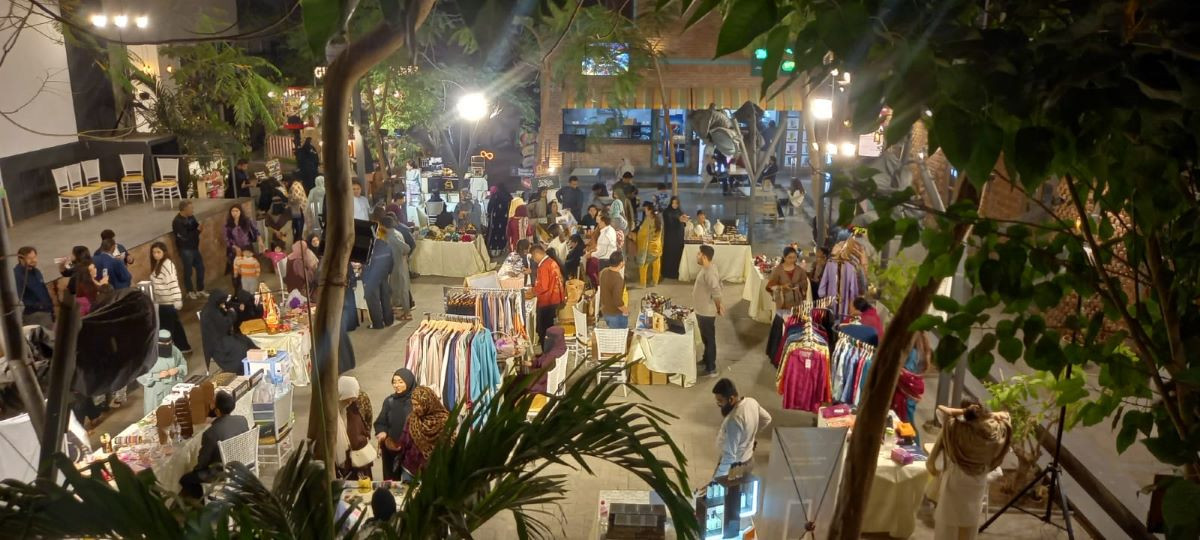
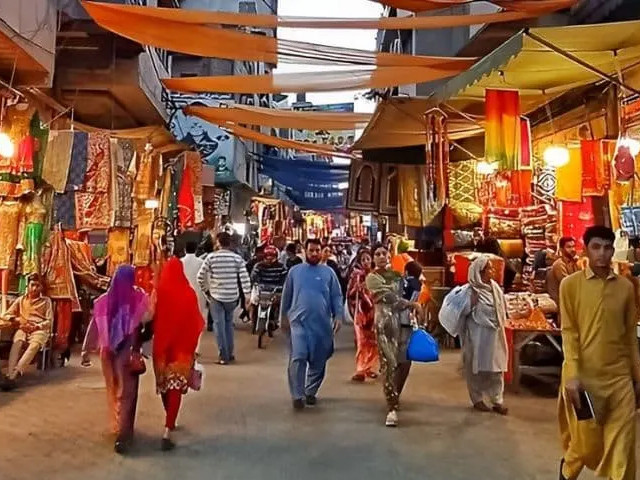
RAWALPINDI: Roads, business centres and markets that had been shut for security reasons were reopened after Iran-United States ceasefire talks, bringing some relief to residents of the twin cities as commercial activity resumed and civic life began returning to normal.
However, after the delegations left on Sunday evening, confusion emerged over the reopening of businesses, with traders and market representatives alleging a lack of coordination between the district administration and police.
The district administration allowed traders to reopen businesses at around 5pm after the departure of key delegations on Sunday. But as shops and markets started opening, police personnel arrived and ordered them to close again. Traders also reported mistreatment at several places and called on the commissioner and the Rawalpindi district police officer to intervene.
Because of the absence of clear instructions, markets in Saddar stayed closed, while some other commercial areas reopened only partially before being shut again due to the 8pm restriction.
Trader bodies protest police action
Zafar Qadri, Secretary General of Anjuman Tajiran Cantt, said traders had kept their businesses fully closed for four days in the national interest and had cooperated with both the administration and police throughout that period. He said that the traders' association had been instructed by the administration on Sunday evening to reopen businesses, but when they did so, police claimed they had not yet received any notification and forced closures, allegedly behaving improperly.
Qadri condemned the police response and urged Rawalpindi CPO Khalid Hamdani to take notice.
Sheikh Waheed, President of Anjuman Tajiran Liaquat Road, said the Rawalpindi district administration, paramilitary forces and police had shown irresponsibility and had deprived traders of business even on Sunday. He said trader organisations in Rawalpindi had voluntarily kept businesses closed from Thursday evening to Saturday in the broader national interest, despite there being no formal notification, while commercial activity in Islamabad continued without interruption.
He added that after permission was granted to reopen following the talks, police and paramilitary personnel again forced shops to shut. Trader organisations across Rawalpindi condemned what they described as humiliating treatment and inconsistent decisions over market closures and reopening.
Waheed said traders had accepted the shutdown in good faith for the country’s sake, but the administration, paramilitary forces and police remained confused and did not provide a responsible response.
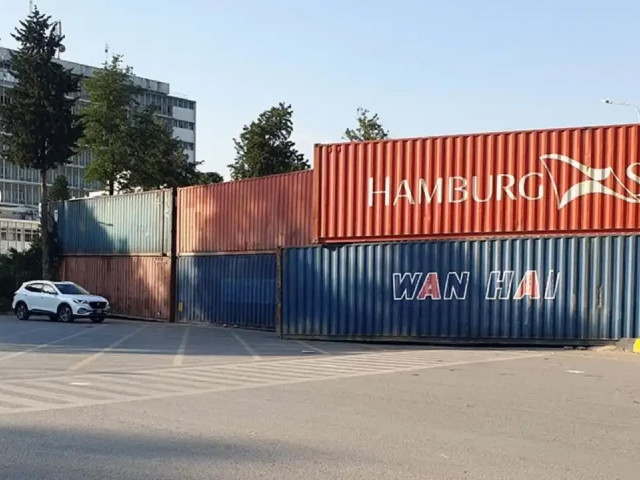
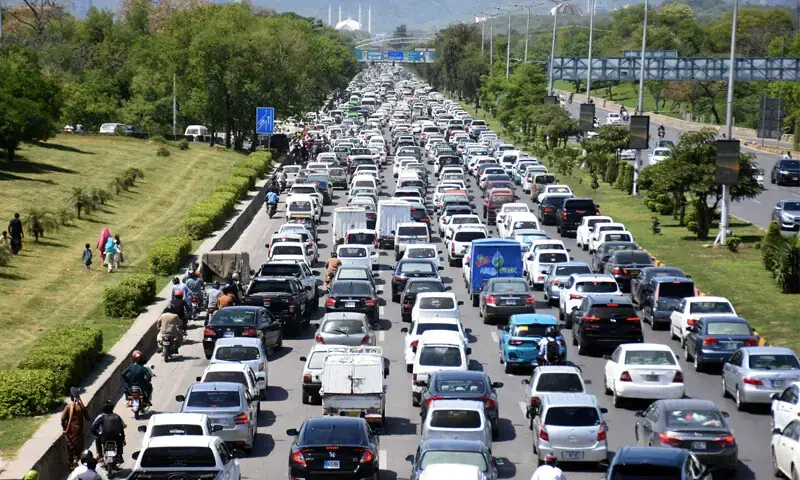
City remained sealed for most of the day
Earlier on Sunday, despite the conclusion of Iran-US peace talks, Rawalpindi remained sealed for most of the fourth straight day. Weekly Sunday bazaars inside the city were also closed. Jewellery markets, electronics shops, auto businesses, hotels, restaurants, marquees and grocery stores all remained shut.
When parts of the city reopened after the talks ended, police once again imposed a complete shutdown. Announcements made through megaphones warned that any shop found open could face electricity disconnection, FIRs and heavy fines.
The prolonged closure left commercial activity severely disrupted and affected daily wage earners, some of whom were forced to borrow money or beg for food. Wholesale markets in Saddar and major food outlets also remained closed.
After four days of shutdown, residents had to travel to suburban areas to buy vegetables, flour and sugar. Transporters and local residents also obtained fuel from nearby localities.
Wedding halls and marquees stayed closed, resulting in the cancellation of Sunday events. Areas around Chaklala and Nur Khan Airbase remained sealed, creating a curfew-like atmosphere. Residents of Khanna Road, Shakrial, Gangal, Islamabad Expressway, Shah Khalid Colony and nearby areas remained confined to their homes, with restrictions on movement, rooftop access, and even on keeping doors and windows open.
Comments
No comments yet. Be the first to join the discussion!