Twin city traders comply with early market closures but oppose move
Trader groups in Rawalpindi have rejected the federal cabinet’s decision to close markets at 8pm, while the food sector has opposed a 10pm shutdown for restaurants. Business representatives say the move will damage trade and livelihoods.

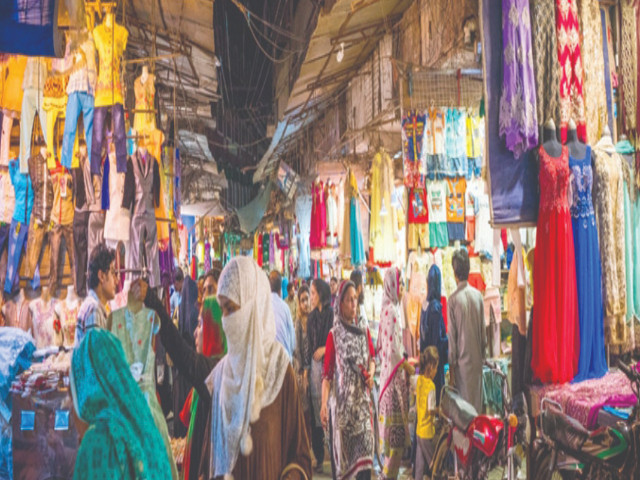
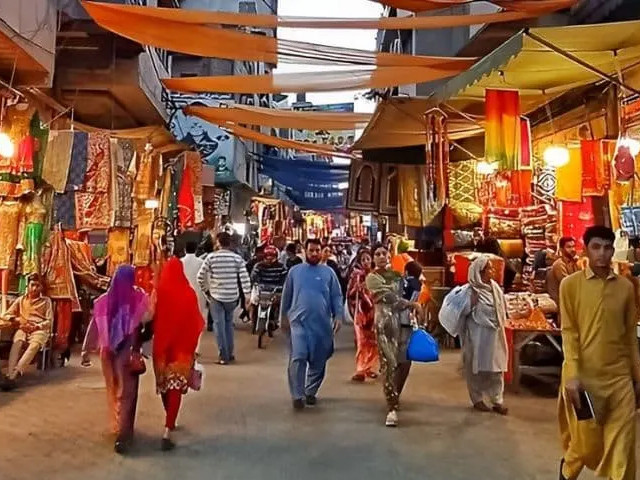
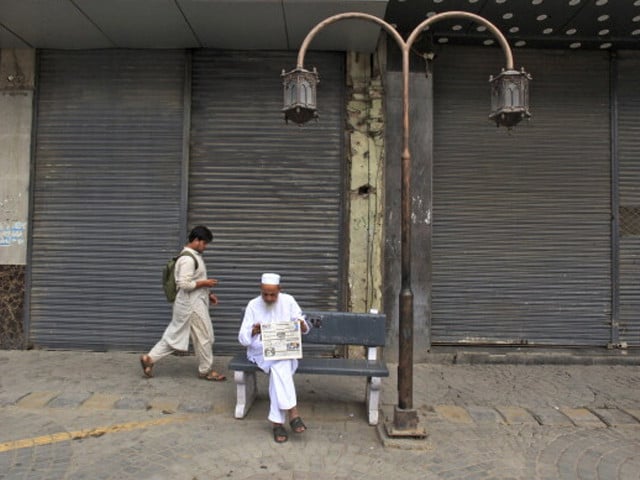
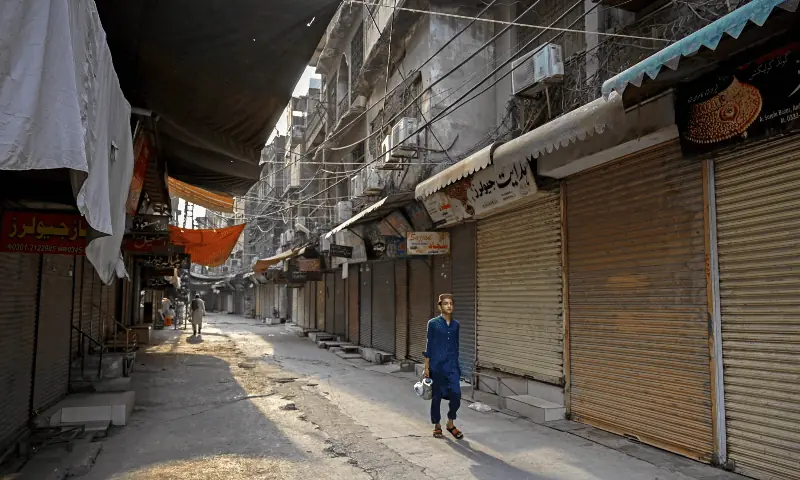
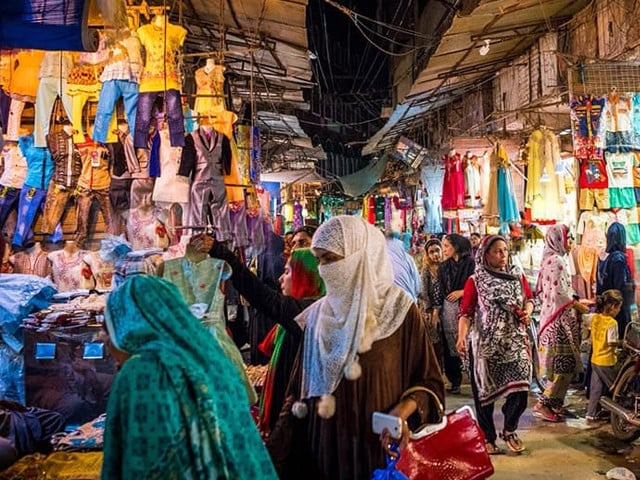
Rawalpindi: Markets and bazaars in Rawalpindi and Islamabad observed the official 8pm closing time on the instructions of the Punjab government, with exemptions for medical stores, restaurants and food outlets, however, traders’ bodies from across Rawalpindi have rejected the federal cabinet’s decision to enforce market closure at 8pm, while representatives of the food sector have also opposed the directive requiring hotels and restaurants to shut by 10pm.
According to the reported details, organisations representing electronics and jewellery traders, along with representatives of major commercial centres, unanimously opposed the move and said the decision would hurt business activity. Traders from key markets and commercial areas including Moti Bazaar, Raja Bazaar, Bara Bazaar, Saddar markets and Murree Road voiced strong reservations over the measure and described it as unjustified.
Separately, the Restaurants, Caterers, Sweets and Bakers Association criticised the order to close hotels and restaurants by 10pm and called for the timings to be revised. Association president Muhammad Farooq Chaudhry said the organisation supports government steps aimed at saving national resources, improving energy efficiency and maintaining economic stability, but said such policies should not come at the expense of livelihoods, businesses and routine life.
He said the food sector was already facing a range of difficulties, including high electricity tariffs, gas shortages, black-marketing of LPG, heavy taxation and increasing operating expenses. He also said that in summer, restaurant business mainly starts in the evening and reaches its peak after 10pm, warning that forcing closures at that time would deepen the sector’s difficulties.
Chaudhry said the decision threatened not only business owners but also the large number of workers linked to the industry, including daily wage earners, waiters, chefs, delivery staff and other labourers. "The food industry is not a single enterprise but a source of livelihood for countless families," he said.
Call for review and consultation
The association urged the government to immediately review the policy and consult stakeholders to develop what it described as a practical framework that can support energy conservation without damaging economic activity and employment.
It also warned that if the concerns of the sector were ignored and the decision was enforced, people connected with the industry could be forced to protest in order to protect their livelihoods, and said the government would be responsible for the consequences.
Meanwhile, trader leaders including Naveed Kanwal, Hammad Qureshi, Sheikh Nadeem and Akbar Khan also criticised the decision. They described the move as oppressive and argued that amid continuing global geopolitical tensions, the burden of economic restrictions was being placed unfairly on local traders.
A joint meeting of trader organisations has been called for Tuesday to decide a collective response to the decision. The trading community has also indicated that it plans to submit a formal memorandum to federal and provincial authorities, setting out the economic effects of the new timings and seeking immediate intervention.
Business representatives said dialogue with the government was needed to reach a balanced arrangement that protects both energy-saving objectives and the livelihoods of millions linked to trade and the food sector. They also warned that if their concerns were not addressed, organised protests and continued demonstrations could take place in major commercial areas of the city.
Comments
No comments yet. Be the first to join the discussion!