April 12, 2026
Rising yields may erase over Rs600 billion in bank revaluation surpluses
A report by Optimus Capital Management says a 150 basis point rise in yields could wipe out more than Rs600 billion in bank revaluation surpluses. It estimates gross losses at Rs685 billion, with major banks facing significant pressure on book value.

April 12, 2026
ISLAMABAD: Pakistan’s commercial banks are facing a sharp hit to their balance sheets as higher interest rate yields are projected to wipe out more than Rs600 billion in revaluation surpluses in a single quarter, according to an analysis by Optimus Capital Management.
The report, titled Back to Square One, said the rapid move in the fixed-income market has largely depleted the buffer banks had built in recent quarters to absorb volatility. This has reversed earlier gains and pushed the sector back to a weaker balance sheet position.
Secondary market yields climbed by around 150 basis points between December 2025 and March 2026. That increase reduced the market value of government securities held by banks and triggered broad mark-to-market losses across the sector.
Optimus Capital Management estimated gross revaluation losses for the banking industry at about Rs685 billion. After taking existing surpluses into account, it put the net effect at an overall deficit of nearly Rs95 billion for major banks.
Large banks seen as most exposed
Among the biggest institutions, United Bank Limited is considered the most vulnerable because of greater sensitivity to interest rate duration. The report estimated a post-tax impact of roughly Rs117 billion on UBL’s book value.
Habib Bank Limited and National Bank of Pakistan are also expected to absorb sizeable losses, with estimated impacts of Rs54 billion and Rs45 billion, respectively.
Risks in the banking sector have increased materially in the current yield environment. It warned that if interest rates rise further, Common Equity Tier-1 capital ratios could come under pressure, which may lead banks to adopt more cautious dividend and capital management policies.
Why the losses are occurring
The main source of strain is the mark-to-market adjustment on banks’ substantial holdings of government debt. When yields move up, the prices of previously issued lower-yield bonds fall in the secondary market, creating accounting losses on investment portfolios.
Because Pakistani banks hold large volumes of sovereign paper, even a comparatively limited rise in yields can produce major valuation losses. The 150 basis point increase, has therefore removed a significant portion of the revaluation reserves accumulated during the earlier low-yield period.
This reflects the basic inverse relationship between yields and bond prices, under which bonds carrying lower fixed returns become less attractive when newly issued securities offer higher returns.
Debt structure and liquidity pressures
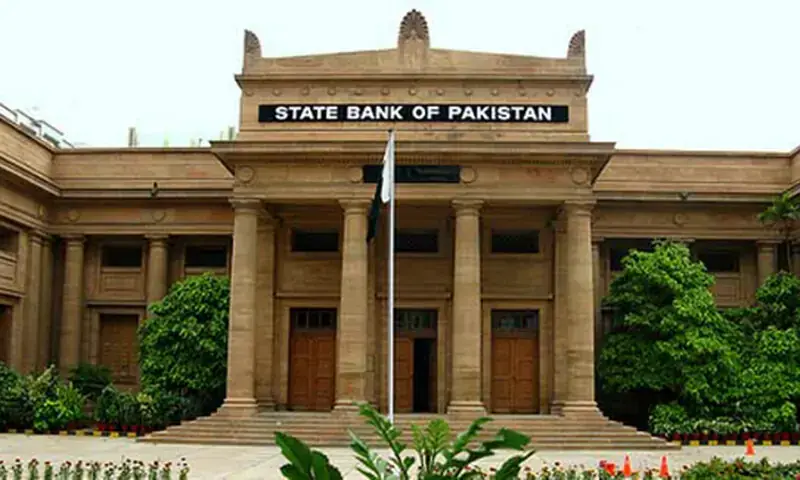
The report linked the rise in yields in part to the government’s growing dependence on short-term liquidity support. The State Bank of Pakistan has increased its use of Open Market Operations, which now fund about 24% of domestic debt.
According to the analysis, that reliance has added to volatility in the fixed-income market, especially as liquidity conditions tighten and borrowing needs remain high.
The structure of public debt has changed markedly, with floating-rate instruments now making up more than 50% of total outstanding debt. While that gives the government greater flexibility, it also creates additional risks for banks.
Floating-rate securities can pass interest rate volatility into bank earnings and capital positions more quickly than conventional fixed-rate bonds.
Profit outlook remains intact for now
Despite the pressure on book value, the report distinguished between accounting losses and core profitability. Bank earnings are not expected to face a major immediate impact, apart from the usual lag in repricing assets and liabilities.
Over time, banks may benefit from higher rates as they reprice loans and reinvest in securities carrying stronger yields. That could support net interest margins and earnings growth, although the gains may take time to appear fully.
The impact is not expected to be the same across all institutions. Bank AL Habib, Meezan Bank and MCB Bank were identified as relatively better placed to manage the current environment because they have shorter-duration portfolios or lower exposure to fixed-income securities.
As a result, these banks are likely to recover faster if market conditions stabilise.
Looking ahead, the sector’s path will depend in large part on the response of regulators. The State Bank of Pakistan has historically offered relief measures during periods of elevated volatility to help banks avoid breaching minimum capital requirements. However, the present situation carries distinct challenges because of changes in debt composition and the larger role now played by floating-rate instruments.
0 Comments
No comments yet. Be the first to join the discussion!