PTI-TTAP rift widens over KP rally plan
Differences have emerged between PTI and TTAP over the Khyber Pakhtunkhwa chief minister’s rally plan. TTAP says it was not formally consulted on recent political decisions, while concerns have also been raised over PTI’s internal coordination.

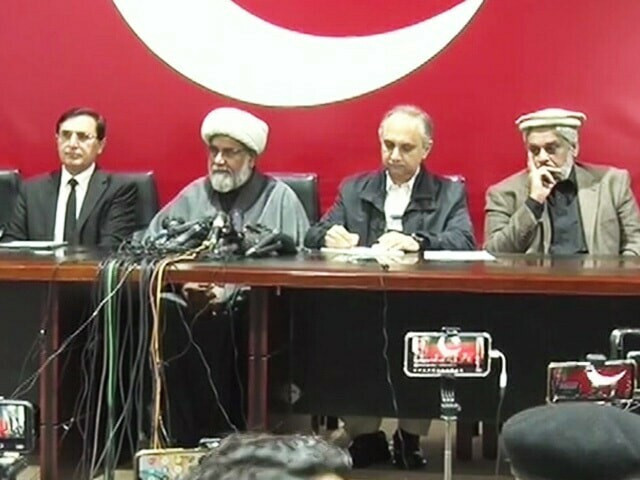
ISLAMABAD: Differences have surfaced between Pakistan Tehreek-e-Insaf and Tehreek-e-Tahaffuz Ain-e-Pakistan over a planned rally in Khyber-Pakhtunkhwa later this month, exposing cracks in coordination between the party and its allied platform.
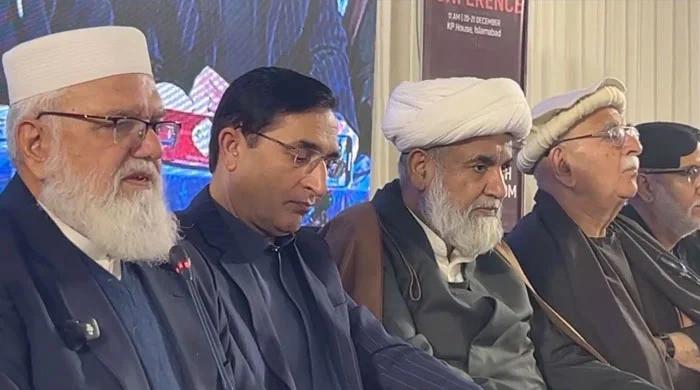
Akhunzada Hussain Yousafzai, spokesperson for the alliance, said PTI did not consult TTAP before announcing the rally, which was revealed a day earlier by Khyber-Pakhtunkhwa Chief Minister Muhammad Sohail Afridi. He added that the alliance was similarly not taken into confidence over the earlier decision to call off the April 9 rally at Liaquat Bagh, Rawalpindi — a move approved by Imran Khan to avoid overlap with the US-Iran peace talks in Islamabad.
Yousafzai said the alliance has not been formally briefed on internal PTI developments, including meetings between Imran Khan and his legal team concerning the alliance, noting that most updates are being learned through media reports rather than official communication. He stressed that any decisions related to rallies or political coordination should be conveyed through PTI’s senior leadership instead of public statements.
He further emphasised the need for structured communication, saying all constituent parties must be taken into confidence before making public commitments. According to him, Imran Khan should also be formally briefed through proper channels involving opposition leaders in both the Senate and National Assembly to avoid confusion.
Sources familiar with the situation pointed to growing organisational disarray within PTI, with multiple factions reportedly operating independently across different regions. They said the absence of a clear chain of command has resulted in fragmented decision-making and the emergence of parallel centres of influence in Khyber-Pakhtunkhwa, Punjab, Balochistan and Gilgit-Baltistan.
While Imran Khan remains the central figure, the lack of a functional structure has allowed various groups — including some individuals without formal roles — to exert influence, complicating both internal coordination and engagement with allies such as TTAP. One source claimed that even senior leaders appear sidelined, citing internal frustrations and lack of cohesion.
Differences in positions among PTI leaders have also contributed to mixed messaging on key organisational and political matters, further fuelling uncertainty within the party ranks. Concerns have particularly intensified over developments in Khyber-Pakhtunkhwa, where some decisions and appointments have drawn criticism.
Sources questioned the manner in which certain individuals are being associated with institutional roles, referring to the example of Shahid Khattak and his reported nomination for a position at the Bank of Khyber, terming it an unprofessional use of party platforms. They also objected to a statement attributed to the chief minister — “my province, my choice” — calling it inappropriate and inconsistent with the public mandate.
They maintained that the people of Khyber-Pakhtunkhwa have remained PTI’s core support base for over 15 years, repeatedly granting strong electoral mandates, including a two-thirds majority in the past, based on the party’s promises and governance commitments.
Comments
No comments yet. Be the first to join the discussion!