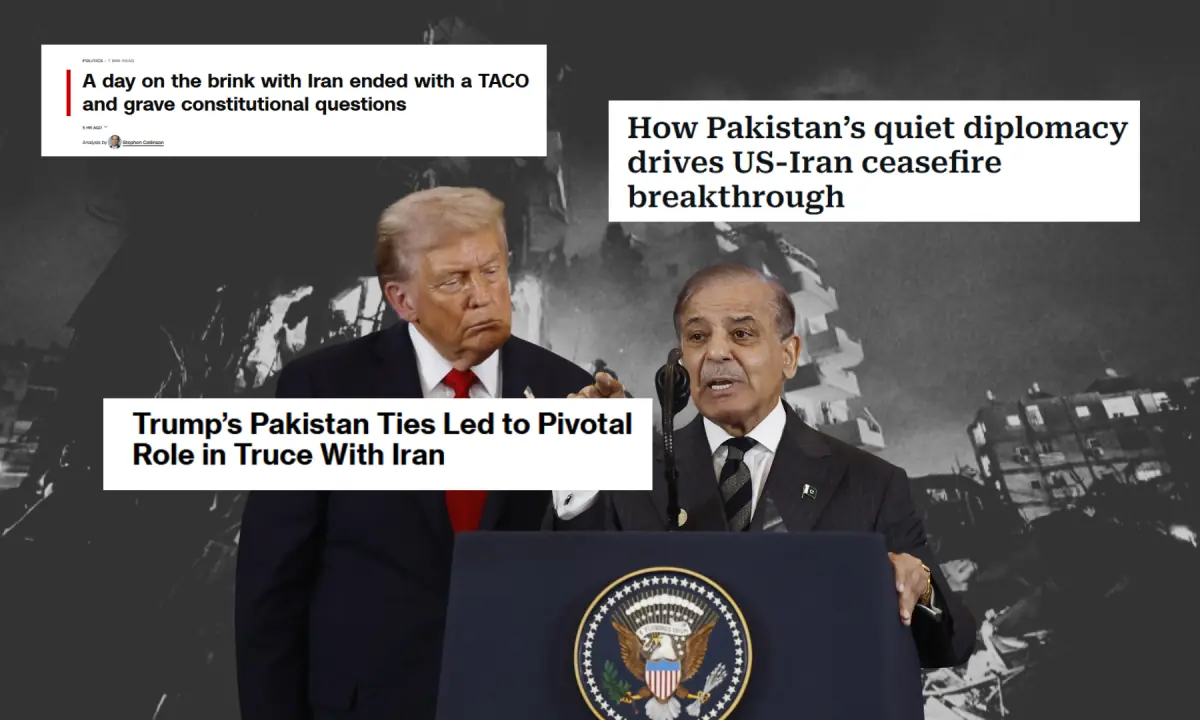
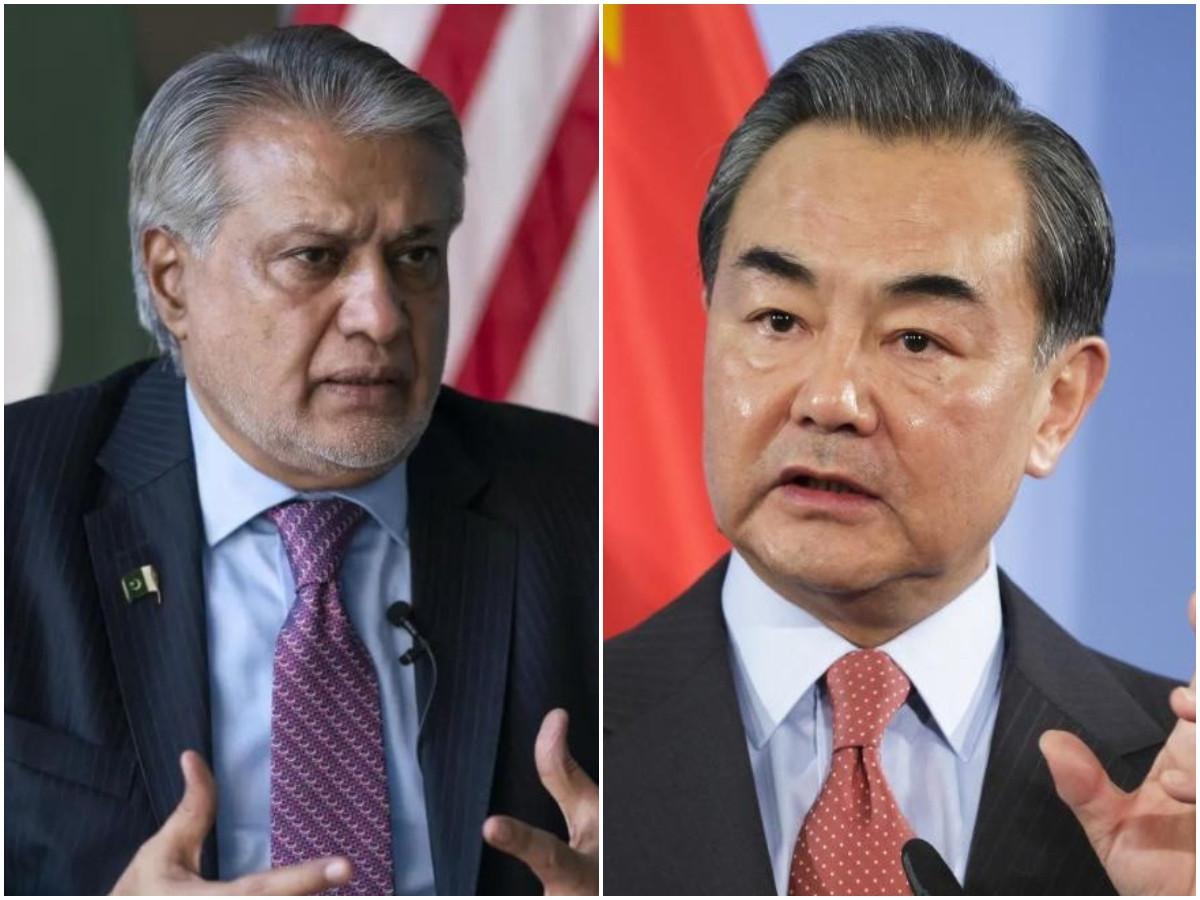
Pakistan envoy says China played a quiet role in Iran ceasefire diplomacy
Pakistan’s envoy to Washington says the US-Iran ceasefire followed weeks of diplomacy, with Pakistan acting as facilitator and China playing a quiet but constructive role. He also stressed the importance of secrecy and regional consultations, including with Gulf states.

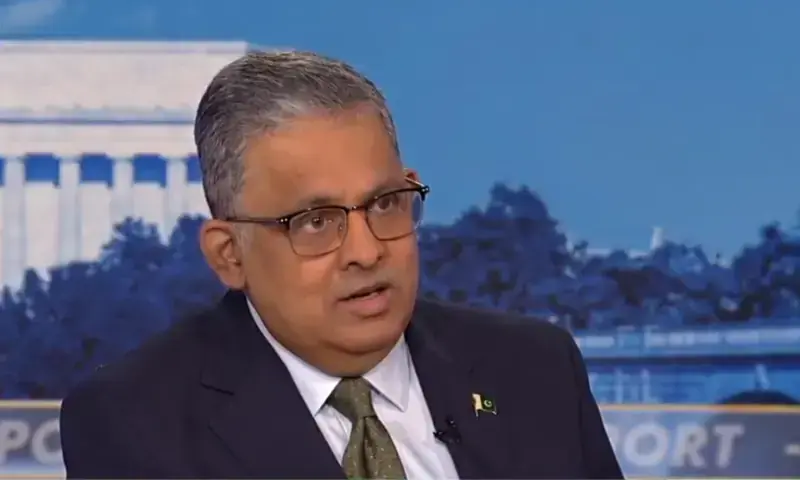
WASHINGTON: Pakistan’s Ambassador to the United States, Rizwan Saeed Sheikh, has highlighted the quiet but consequential role played by China in diplomatic efforts that helped bring about a temporary ceasefire between the United States and Iran, shedding light on how Islamabad worked with key partners during a tense period of back‑channel negotiations.
In an interview with CNN, Sheikh described the ceasefire — announced early Wednesday after weeks of escalation in the Middle East — as the result of “an intense diplomatic effort that was in progress over the past few weeks,” underpinned not only by Pakistan’s mediation but also by subtle, behind‑the‑scenes engagement by China.
“China, from the very start, has also been mentioning the exercise of restraint and affording space for diplomacy to both sides,” the ambassador told the broadcaster, underscoring Beijing’s encouragement of dialogue and urging restraint from all parties.
That assessment aligns with broader reporting on the ceasefire process, which suggests that China’s diplomatic posture — urging de‑escalation, supporting restraint and offering assurances that Tehran could enter negotiations in good faith — helped create conditions favourable for talks. Regional analysts and U.S. officials have pointed to China’s diplomatic engagement as a motivating factor that gave Iranian leaders confidence to agree to the temporary truce.
Sheikh stressed that Pakistan’s role remained that of a facilitator and that confidentiality has been a key factor in securing cooperation from all sides. “Pakistan is just a facilitator, and we are trying to do it in all earnestness and in all faithfulness,” he said, adding that maintaining discretion enhances the likelihood of a sustained negotiation process.
The interview came as the United States announced it was sending a high‑level negotiating team, led by Vice President J.D. Vance, to Islamabad to begin formal talks aimed at building on the ceasefire and moving toward a more enduring peace framework. The temporary truce — agreed just hours before a U.S. ultimatum tied to reopening the strategic Strait of Hormuz — reflects a complex interplay of diplomacy among several capitals, with Pakistan and China among the most closely cited intermediaries in official statements and media commentary.
Sheikh also underscored Pakistan’s consultations with Gulf states, particularly Saudi Arabia and other GCC partners, pointing to Islamabad’s longstanding relationships in the region and the presence of roughly 5.5 million Pakistani expatriates in Gulf countries as factors that contributed to its diplomatic engagement. He said that these consultations were held at multiple levels throughout the crisis.
While the ceasefire is temporary and aimed at providing a diplomatic opening, the envoy expressed hope that ongoing efforts — buoyed by cooperation from regional and global actors — would yield broader stability, with positive implications for both regional security and the global economy.
China’s contribution, though less visible publicly than Pakistan’s mediation, is increasingly recognised in international reporting and diplomatic commentary as an important, if understated, element of the ceasefire process
Comments
No comments yet. Be the first to join the discussion!