

Bee Gul criticises double standards in censorship of male bodies on Pakistani TV
Writer Bee Gul has questioned what she called hypocrisy in Pakistani TV censorship, criticising the objection to shirtless male scenes while violent content is commonly shown in dramas.

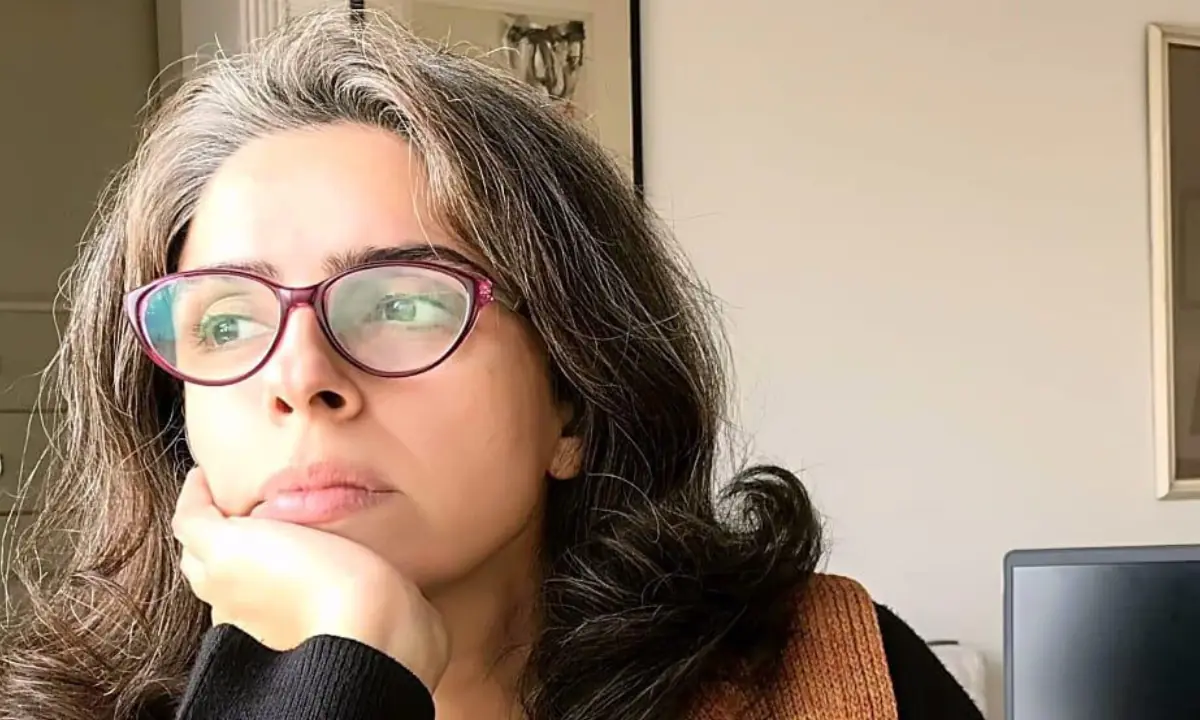
ISLAMABAD: Writer Bee Gul has raised concerns over what she described as a troubling double standard in the way Pakistani television handles depictions of male bodies, questioning why scenes involving shirtless men are treated as objectionable while violence and other harmful content often pass with less scrutiny.
In an Instagram post, Gul said she had repeatedly encountered resistance from television channels and censors over scenes showing male characters without shirts, even when such moments were relevant to the story. She said this approach reflected a deeper hypocrisy in how morality is applied on screen.
According to Gul, the issue is not simply about one scene or one production, but about a broader pattern in the industry. She argued that the male body is treated as something that must be hidden, while other forms of content that may be more damaging to audiences are more readily accepted.
Gul said the contradiction becomes more striking when compared with the routine portrayal of aggression and abuse in television dramas. She questioned why physical vulnerability or the natural male form should trigger censorship when violent behaviour is regularly shown in mainstream programming.
‘A shirtless man is where we draw the line?’
She said this selective moral policing reveals confusion about what should actually be considered inappropriate for viewers. In her view, the standards being enforced are inconsistent and disconnected from meaningful concerns about public welfare or artistic integrity.
Gul also linked the issue to wider social attitudes, saying the discomfort around the male body points to a culture that is uneasy with honest and realistic representation. She suggested that such censorship does not protect audiences, but instead reinforces shallow ideas of decency.
The writer’s remarks prompted discussion online about the boundaries imposed on television content and the values that shape those decisions. Her comments added to a broader debate about censorship in Pakistani entertainment, particularly the difference between what is considered morally unacceptable and what is routinely normalised.
Questions over what television chooses to censor
Gul’s criticism focused on the contrast between the censorship of bodies and the tolerance of other recurring themes in dramas. She argued that if regulators and broadcasters are genuinely concerned about social impact, then their priorities should be examined more carefully.
Her comments highlighted how content standards can reflect larger cultural anxieties rather than a consistent ethical framework. By pointing to the treatment of male bodies in particular, she drew attention to an area of censorship that is discussed less often in public conversations about Pakistani television.
The debate sparked by her post centres on whether current restrictions are rooted in coherent principles or in selective notions of propriety. Gul’s intervention has brought renewed attention to the way visual representation is negotiated in the country’s entertainment industry and to the contradictions that, in her view, continue to shape those decisions.
Comments
No comments yet. Be the first to join the discussion!


