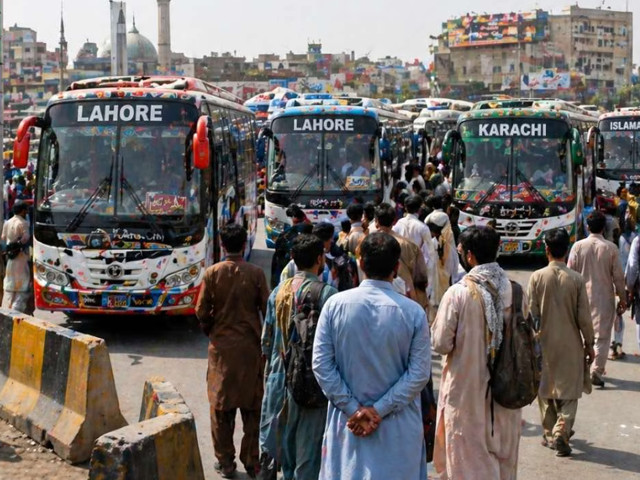
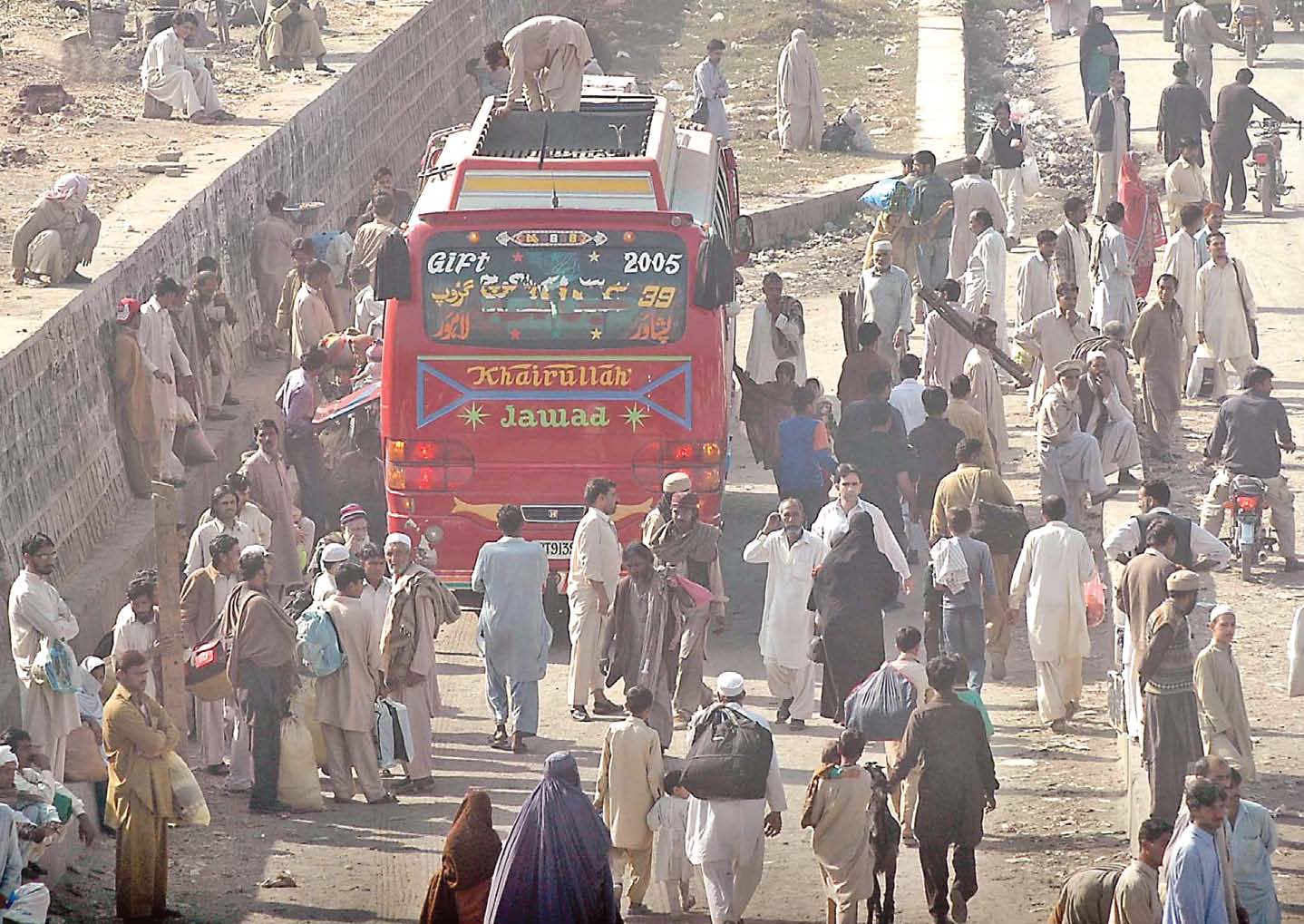
Free bus travel crowds Metro as private transport fares surge in Rawalpindi, Islamabad
Free travel on Metro and electric buses in Rawalpindi and Islamabad has led to overcrowding, while private transport operators have sharply raised fares. The increase in diesel prices has also pushed up goods transport costs and food prices in local markets.

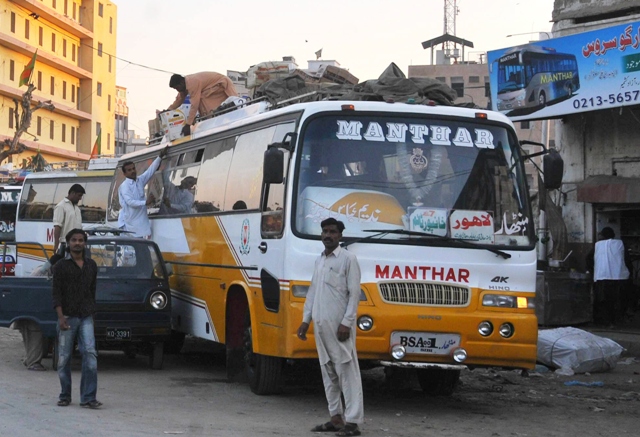
Islamabad: A month-long free travel facility on the Metro Bus and electric buses, announced after a sharp rise in petroleum prices, has created an uneven transport situation in Rawalpindi and Islamabad, with private public transport operators sharply increasing fares.
Travel on the Metro Bus and electric buses is entirely free, while private public transport operating alongside these services is charging Rs60 to Rs70 per stop. No similar relief has been extended to public or goods transport, and fares in those segments have risen substantially.
After the increase in petrol and diesel prices, the Regional Transport Authority approved a 10 per cent fare increase for petrol-run vehicles and 25 per cent for diesel-run vehicles. However, transporters rejected the notified increase as inadequate and instead announced a 50 per cent rise in passenger fares and a 65 per cent increase in goods transport charges. The authority appeared unable to enforce the officially approved rates.
The increase has added to concerns among commuters, traders and residents, while pick-and-drop charges for students and working women have gone up by 30 per cent. Goods transport from Karachi to Rawalpindi, which previously cost Rs260,000, has now climbed to Rs800,000.
Metro Bus runs on a separate corridor, while seven routes connect Rawalpindi and Islamabad, creating difficulties for commuters who do not travel on the Metro route. 14 electric buses are currently operating in Rawalpindi.
Because travel is free, Metro and electric buses have become heavily crowded. Many young people were using the services for leisure trips, travelling from Raja Bazaar and Saddar on different routes and returning through other vehicles. Regular passengers, including women and students, have called for more buses to deal with overcrowding.
Working woman Faiza Riaz said there was an overwhelming presence of youths on Metro and electric buses and called for separate buses for women, students and families where unaccompanied men should not be allowed, while women travelling with men could use those buses.
Citizens Shahbaz Qalandar and Hameed Khan said that just as petrol prices were reduced by Rs80 per litre, diesel prices should also be cut by Rs100 so that passenger and goods transport fares could come down. Bike riders Shahid Ali and Mehboob Khan said the Bykea motorcycle service package should be made easier, saying the current SOPs were difficult to follow.
Fresh inflationary pressure in markets
Continued increases in diesel prices in the open market, rather than any reduction, have triggered another wave of inflation. Wholesale markets dealing in various commodities have cancelled supply orders placed over the past 10 days and returned payments to traders before issuing revised rates with increases of 50 to 60 per cent.
Transport charges have risen further, while 60 price control magistrates in Rawalpindi district appeared ineffective in checking the increases. Prices of milk, yoghurt and meat have also gone up in the open market.
Chicken meat is being sold at Rs650 per kg, milk at Rs230 per litre, yoghurt at Rs250, mutton at Rs2,700 per kg and beef at Rs1,500 per kg. Yeast bread is priced at Rs30, naan at Rs35, paratha and roghni naan at Rs60, and a cup of tea at Rs100.
Among pulses and staple items, mash dal is selling at Rs600 per kg, rice at Rs360, gram flour at Rs360, white chickpeas at Rs430, red beans at Rs550 per kg and chana dal at Rs355 per kg. Potatoes are available at Rs30 to Rs40 per kg, onions at Rs60 to Rs70 per kg, tomatoes at Rs110 per kg and peas at Rs110 per kg.
Garlic is priced at Rs300, ginger at Rs409, lemons at Rs200, capsicum at Rs150 and okra at Rs300 per kg. Coriander is being sold at Rs50 per bunch, cucumber at Rs60 per kg, carrots at Rs70 per kg and radish at Rs50 per kg.
Among fruits, apples are priced at Rs300 to Rs400 per kg, bananas at Rs250 per dozen, oranges at Rs350 to Rs400 per dozen, pomegranate at Rs750, grapes at Rs600 to Rs700 per kg, melon at Rs200, watermelon at Rs90 per kg, chikoo at Rs250 per kg, strawberries at Rs350 per kg, pears at Rs550 per kg and coconut at Rs550 per piece. Bakery items have also become costlier, with prices increasing by Rs30.
Comments
No comments yet. Be the first to join the discussion!