Japan prepares to allow commercial flying car services by 2027 or 2028
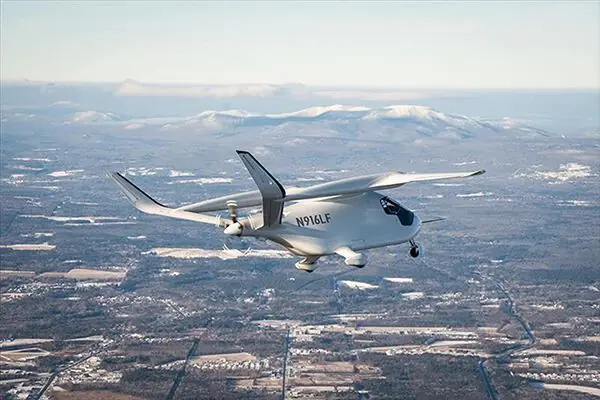
Japan is preparing to allow commercial flying car services carrying paying passengers as early as 2027 or 2028. Initial operations are expected to begin with sightseeing flights in Tokyo and Osaka before expanding to airport and city links.

TOKYO: Japan’s government has started preparations to permit commercial flying car services carrying paying passengers as early as 2027 or 2028, according to multiple government sources.
The initial phase of operations is expected to focus on sightseeing flights in urban areas, with services later expanding to point-to-point travel, including links between cities and airports. The move suggests that passenger transport by flying car, long viewed as a major potential shift in mobility, may enter practical use in the coming years.
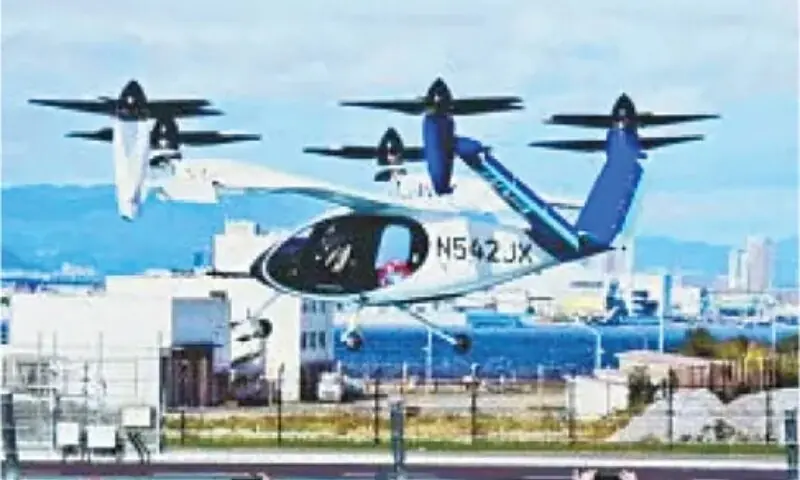
Flying car is a broad term for electrically powered vehicles capable of vertical takeoff and landing. These aircraft generally carry only a small number of passengers, produce relatively little noise and need only limited space for landing, which makes them easier to use in densely populated urban settings. They are also expected to help reduce traffic congestion in cities and offer an additional transport option in regional areas.
Applications for type certification under the Civil Aeronautics Law have already been submitted to the Land, Infrastructure, Transport and Tourism Ministry. The certification process is required for mass production of aircraft and includes reviews related to safety and other standards. The government appears to have determined that the review process is advancing in a way that could allow commercial operations to begin within the projected timeframe.
Commercial services are expected to start with sightseeing flights in city areas, particularly in waterfront districts of Tokyo and Osaka. Two to three years later, operations are expected to broaden to include short-distance travel between two locations as well as routes connecting major airports, including Narita and Kansai, with nearby cities.
Competition among developers of flying cars is already increasing. At the Osaka-Kansai Expo last year, demonstration flights were carried out without passengers. In Tokyo, the metropolitan government last year selected two consortiums for its flying car implementation project. One group consists of nine companies, including Japan Airlines Co., while the other includes seven companies, among them Nomura Real Estate Development Co.
From the new fiscal year, full-scale demonstration flights using actual aircraft are scheduled to begin in Tokyo’s waterfront districts and other locations.
Although international rules for flying cars have not yet been established, Japan’s transport ministry has already put in place safety measures. These include performance standards for batteries and a requirement for life jackets on flights over water. This gives Japan a position from which it can take the lead in shaping rules for commercial operations.
The government also plans to back the development of flying cars themselves. Last year, the Takaichi administration announced 17 strategic sectors it would prioritize, and aviation and space were included on that list.
Comments
No comments yet. Be the first to join the discussion!