

Drought concerns rise again in Cholistan amid heat and erratic rainfall
Fresh drought concerns are emerging in Cholistan as heat, erratic rainfall and climate pressures threaten water supplies. Officials have been directed to take precautionary measures.

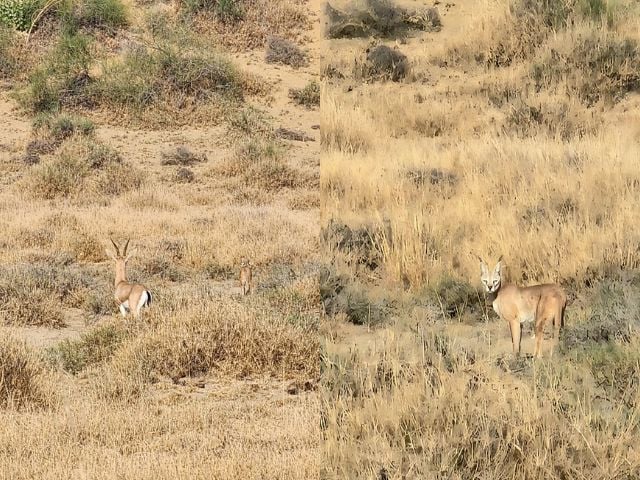
Islamabad: Concerns over another drought are growing in Cholistan as rising temperatures, irregular rainfall and the wider effects of climate change increase pressure on the desert region’s already limited water resources.
Spread over nearly 6.6 million acres across Bahawalpur, Bahawalnagar and Rahim Yar Khan districts, Cholistan is known for its long-standing pastoral traditions and nomadic way of life. But shortages of water continue to pose a serious challenge for local communities and their livestock.
Climate experts say Pakistan ranks among the countries most exposed to climate change-related risks. Forecasts for 2026-27 indicate the country could face extreme heat, extended heatwaves, erratic rainfall, and the simultaneous threat of both drought and flooding.
The Pakistan Meteorological Department has warned that temperatures in South Punjab, Sindh and Balochistan are expected to stay above normal. It has also indicated that heatwaves are likely to intensify between March and July, conditions that could worsen water scarcity in desert areas such as Cholistan.
At the same time, forecasts of above-normal monsoon rainfall point to the possibility of flooding as well, underlining increasing instability in weather patterns.
Cholistan has previously gone through severe dry spells. The drought between 1999 and 2002 is regarded as one of the harshest in recent memory. During that period, the absence of rainfall dried up water ponds, ruined grazing areas and caused the deaths of thousands of animals.
Similar situations were reported in 2014 and 2017. In 2022, unofficial estimates suggested that around 3,000 animals died because of intense heat and lack of water, although no official figures were available.
Traditionally, rainwater in Cholistan is collected and stored in indigenous reservoirs known as tobas and kunds. Official data shows there are about 1,150 tobas in the region, but only around 180 currently contain partial water. In addition, nearly 90 kunds built by the government and 50 constructed locally also support water availability, though their usefulness is reduced by extreme heat and evaporation.
Some water supply arrangements are available in areas adjoining Bahawalpur, but large parts of Cholistan in Rahim Yar Khan district do not have basic facilities. As a result, many communities depend on water tankers for their needs.
In view of the possible drought situation, the Punjab government has directed district administrations to take precautionary steps.
Comments
No comments yet. Be the first to join the discussion!


