April 3, 2026
Refinery throughput rises 13% in March as fuel supply remains stable
Pakistan’s refinery throughput rose 13% year-on-year to 972,000 tons in March 2026, driven by strong gains in petrol and diesel output. The increase helped maintain stable fuel supplies amid disruptions in global markets.

April 3, 2026
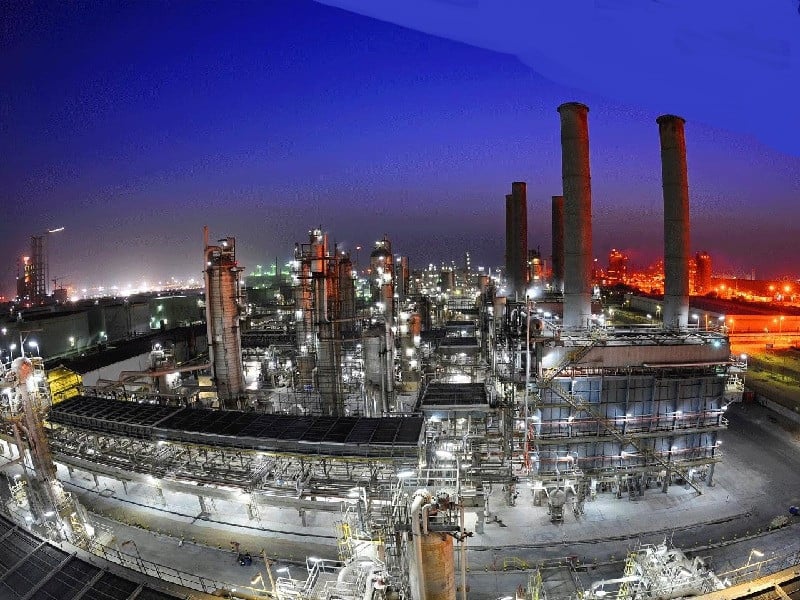
ISLAMABAD: Pakistan’s refining sector recorded a 13% year-on-year increase in throughput in March 2026, reaching 972,000 tons, helping maintain uninterrupted fuel supplies during a period marked by disruptions in global markets and reports of shortages and long queues in several countries.
According to industry data cited in the report, the increase was led mainly by higher output of motor spirit (MS) and high-speed diesel (HSD). Production of MS rose 25.1% while HSD output increased 26.8% compared with the same period last year.
The rise in production of these two major transport fuels reflected the sector’s capacity to respond to stronger domestic demand at a time of external uncertainty. Among the refineries highlighted as key contributors, Cnergyico and Parco were identified as having played an important role in sustaining supply flows.
Both refineries significantly raised production of MS and HSD, which helped ensure the availability of petroleum products across the country and lowered dependence on imported finished fuels.
Refineries also increased jet fuel production to meet aviation and defence needs. This additional output came as part of a broader effort by the local refining industry to support domestic requirements across multiple fuel categories.
At the same time, furnace oil sales fell 21.1% year-on-year, reflecting a wider shift in the country’s energy mix. Despite that decline, stronger consumption in other product segments helped support overall refinery activity.
Government measures and policy debate
Timely government steps also contributed to market stability. Measures aimed at easing crude inflows and managing pricing expectations allowed refineries to operate at higher utilisation rates, helping avert supply bottlenecks and preventing panic buying.
Industry stakeholders, however, said future policy choices would be important for maintaining the current stability. They argued that the government should give priority to domestic refining instead of increasing imports of finished petroleum products.
Supporters of that approach say stronger local production would improve energy security, help conserve foreign exchange and make supply chains more resilient.
Stakeholders also see a gradual reduction in subsidies as necessary to make the market more efficient, reduce distortions and discourage hoarding. In addition, there is growing support for deregulating oil pricing.
A move toward daily pricing mechanisms could allow faster pass-through of costs and improve inventory management across the sector.
0 Comments
No comments yet. Be the first to join the discussion!