March 31, 2026
Oil price surge as Pakistan's economy shows resilience
Pakistan's economy shows resilience despite rising global oil prices. The finance ministry warns of potential long-term risks but highlights improving industrial momentum.
March 31, 2026

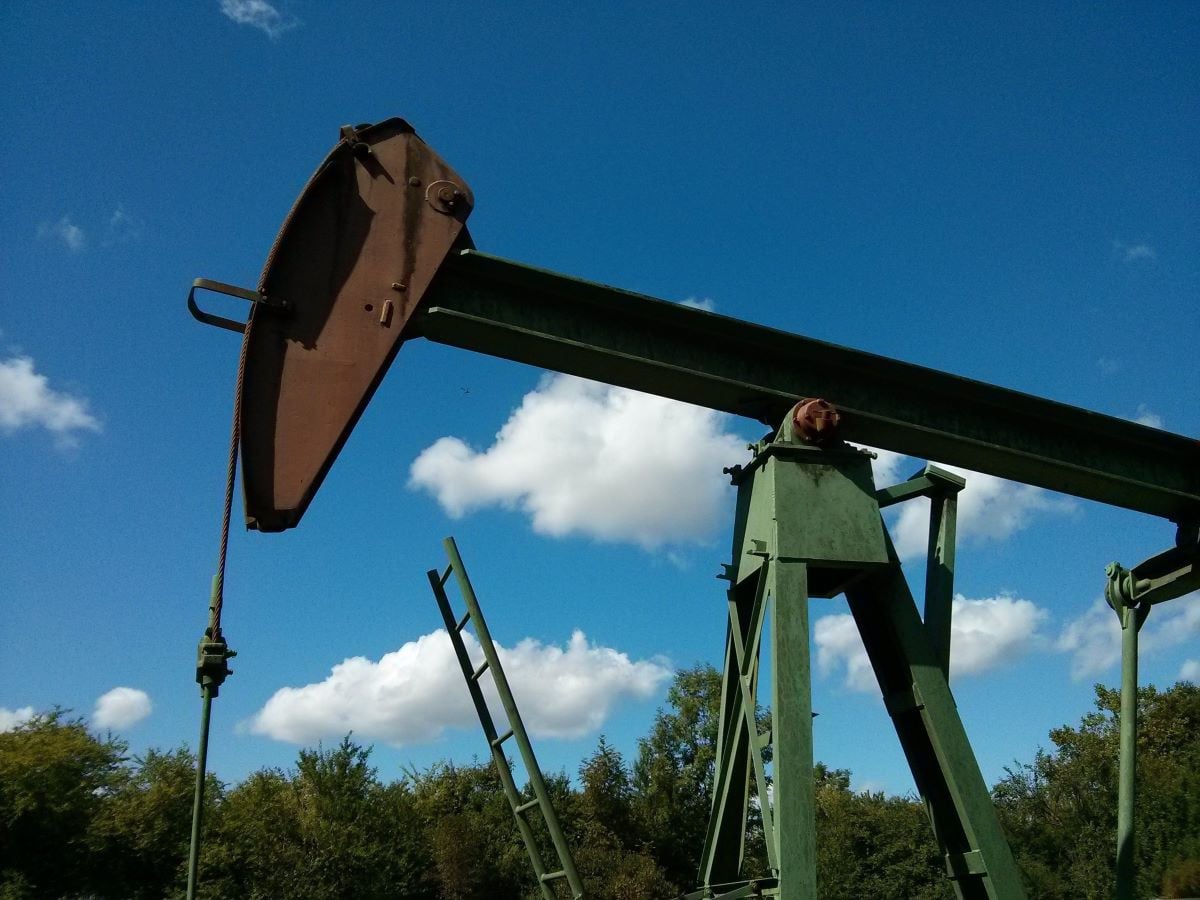
ISLAMABAD: Pakistan’s short-term economic outlook remains cautiously optimistic, but rising global oil prices triggered by the ongoing United States-Israel war on Iran could pose serious long-term risks to the country’s macroeconomic stability, the finance ministry warned on Tuesday.
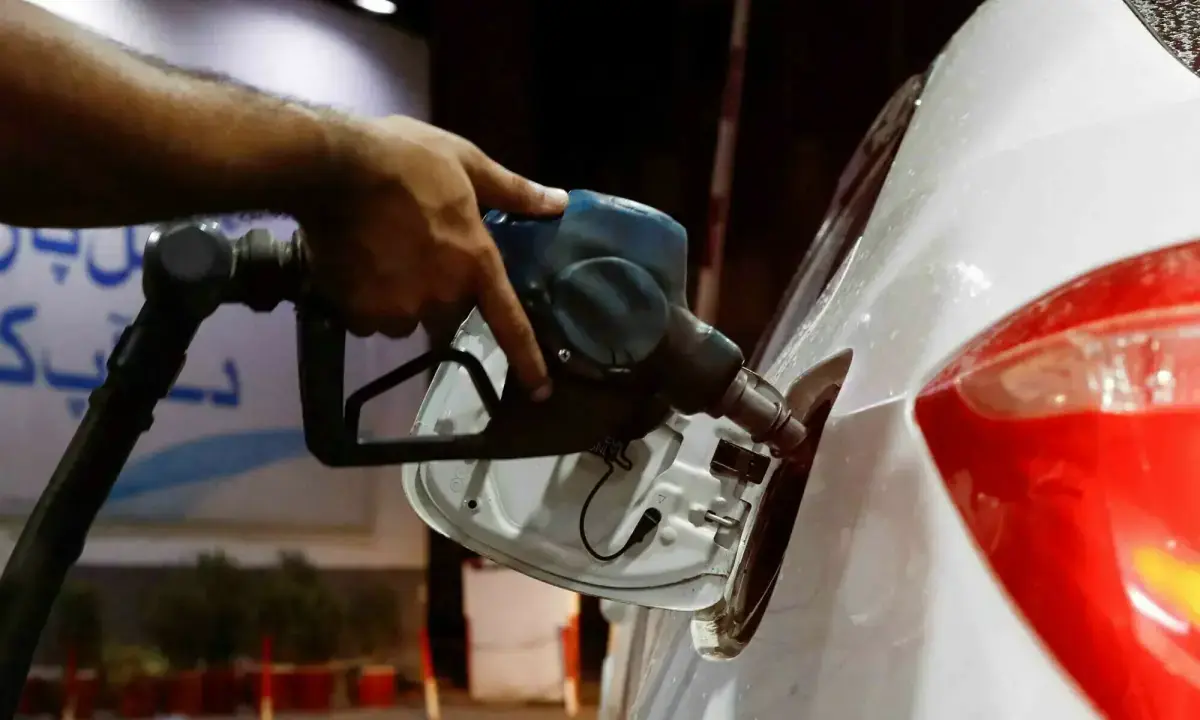
In its Monthly Economic Update and Outlook, the Ministry of Finance highlighted that increasing oil prices and potential supply chain disruptions may drive up industrial input costs, putting pressure on key sectors of the economy. Inflation for March 2026 is projected to remain between 7.5 and 8.5 per cent.
Despite these concerns, the ministry noted improving momentum in the industrial sector, supported by increased imports of textile machinery, transport equipment, and construction-related materials. These trends are expected to translate into higher domestic production and economic activity in the coming months.
To counter external pressures, the government is pursuing prudent economic measures, including maintaining adequate petroleum reserves, managing energy demand efficiently and enforcing fiscal austerity to safeguard economic stability.
On the external front, strong remittance inflows — particularly due to Eid-related transfers — are expected to support foreign exchange reserves, although their sustainability will depend on economic conditions in host countries. At the same time, growing information technology exports are providing an additional boost to foreign earnings.
The ministry said the current account deficit is likely to remain manageable, though it cautioned that persistently high oil prices could significantly inflate the import bill.
Encouragingly, key economic indicators have shown notable improvement during the first eight months of the current fiscal year. The current account recorded its highest surplus in February, driven by increased remittances and reduced imports. Meanwhile, IT exports continued their upward trajectory, reinforcing Pakistan’s digital economy.
Foreign exchange reserves have climbed to a four-year high, reflecting improved liquidity and enhanced capacity to withstand external shocks. Additionally, large-scale manufacturing posted strong double-digit growth in January, further supporting industrial recovery.
Amid escalating regional tensions, the ministry underscored that proactive planning and energy-sector austerity measures have ensured sufficient fuel reserves, helping maintain uninterrupted economic activity.
While global uncertainties persist, the report concluded that Pakistan’s economic reforms, combined with improved domestic indicators, have strengthened its ability to absorb external shocks and laid a foundation for sustainable growth in the months ahead.
0 Comments
No comments yet. Be the first to join the discussion!