

Civil-military leadership closes ranks as regional crisis puts Pakistan on high alert
In response to escalating regional tensions, Pakistan's leadership convenes to emphasize national unity, economic stability, and energy conservation measures.

-- Top leadership stresses national unity and coordination at all levels
-- Reviews economic situation and energy reserves
-- Discusses national policy to stabilise fuel prices and inflation
-- Urges masses to adopt energy conservation measures
ISLAMABAD: President Asif Ali Zardari on Thursday chaired a high-level meeting that stressed the need for national consensus and strong institutional coordination to tackle emerging challenges stemming from the ongoing US-Israel conflict with Iran.
Held at the Aiwan-i-Sadr, the meeting was attended by Prime Minister Shehbaz Sharif and Chief of Defence Forces and Army Chief Asim Munir, reflecting a unified civil-military approach to the evolving situation.
Participants reviewed the broader regional landscape and its potential implications for Pakistan’s security, economic stability, and food supply. The discussion highlighted the urgency of a coordinated national response, with an emphasis on aligning policy decisions to safeguard public interests while maintaining stability.
According to an official statement, the meeting underscored that economic management, energy planning, food security, and national security must remain closely integrated to effectively navigate the ongoing crisis. It also reviewed the country’s economic outlook amid rising global oil prices and supply constraints.
Officials briefed the participants on the impact of fluctuations in global oil and gas markets on Pakistan’s economy, particularly in terms of inflationary pressures and energy security. The need to manage fuel costs while ensuring sustainable supply was identified as a key priority.
The ministers for finance and petroleum outlined measures being taken to stabilise petroleum prices, mitigate the ripple effects of rising fuel costs across sectors, and enforce fiscal discipline through austerity initiatives aimed at reducing government expenditure.
The meeting also stressed the importance of public cooperation, urging citizens to adopt fuel conservation practices, increase the use of public transport, and promote ride-sharing to ease pressure on national energy resources.
The high-level huddle reflects growing concern within Pakistan’s leadership over the far-reaching economic and security implications of the regional conflict, as authorities work to maintain stability amid global uncertainty.
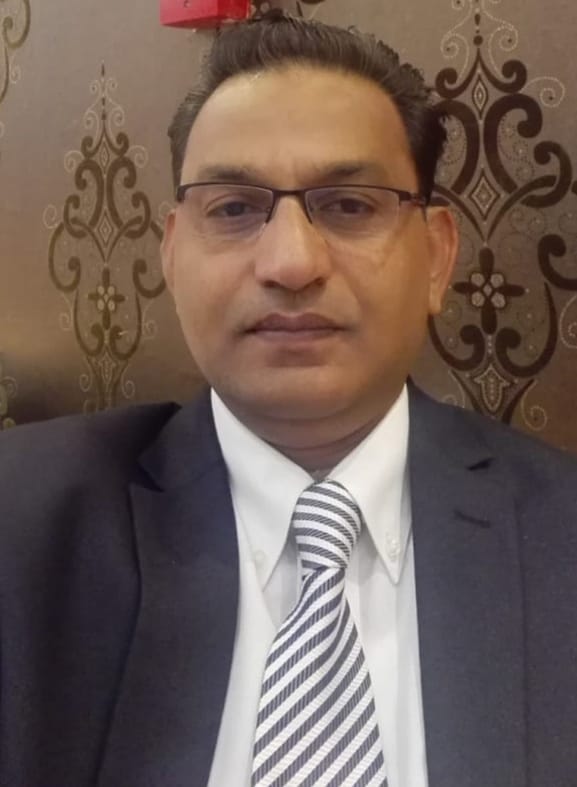
The writer is Head of News at Pakistan Today. He has a special focus on current affairs, regional and global connectivity, and counterterrorism. He tweets as @mian_abrar and also can be reached at [email protected]
View all articles →Comments
No comments yet. Be the first to join the discussion!


