Mojtaba Khamenei denies Iran's role in attacks in Oman and Turkiye, calls them 'false flag tactic'
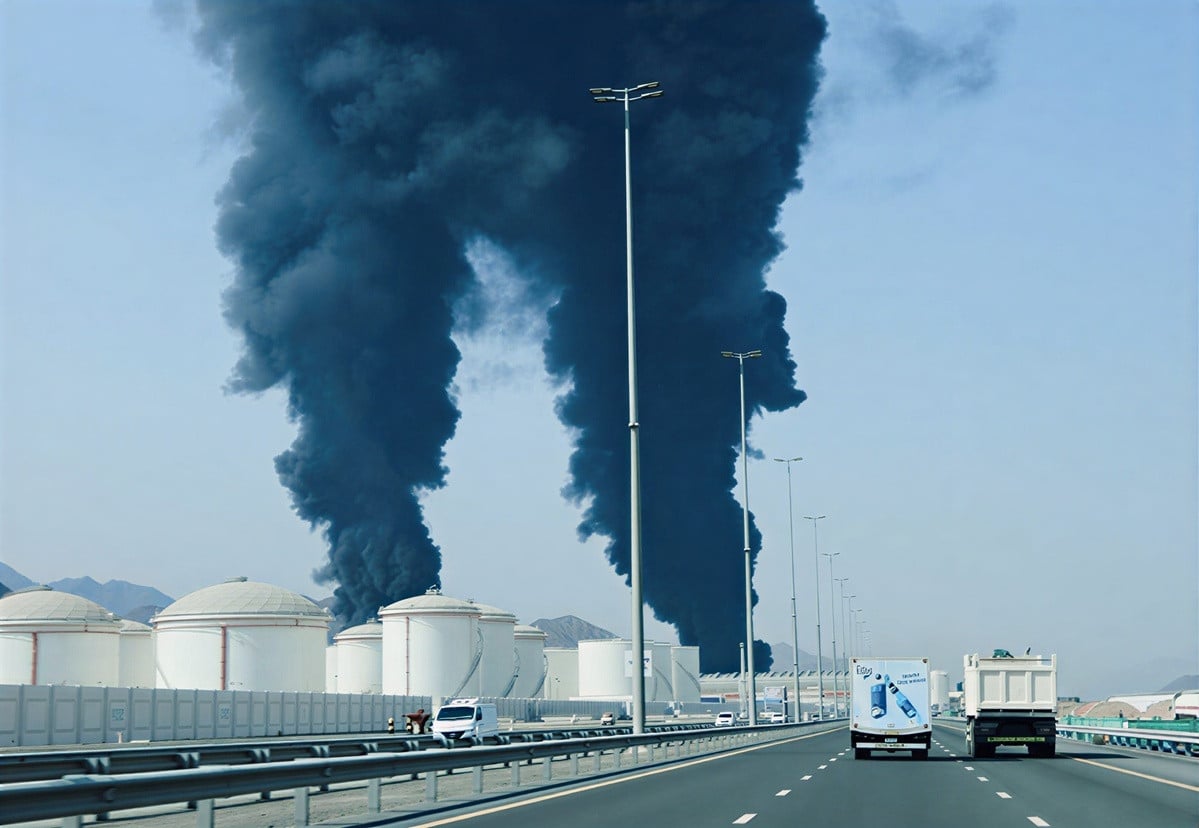
Iran's Supreme Leader Mojtaba Khamenei denied Tehran's role in recent attacks in Turkiye and Oman, calling them a "false flag tactic" by Israel to create discord between Iran and its neighbours.

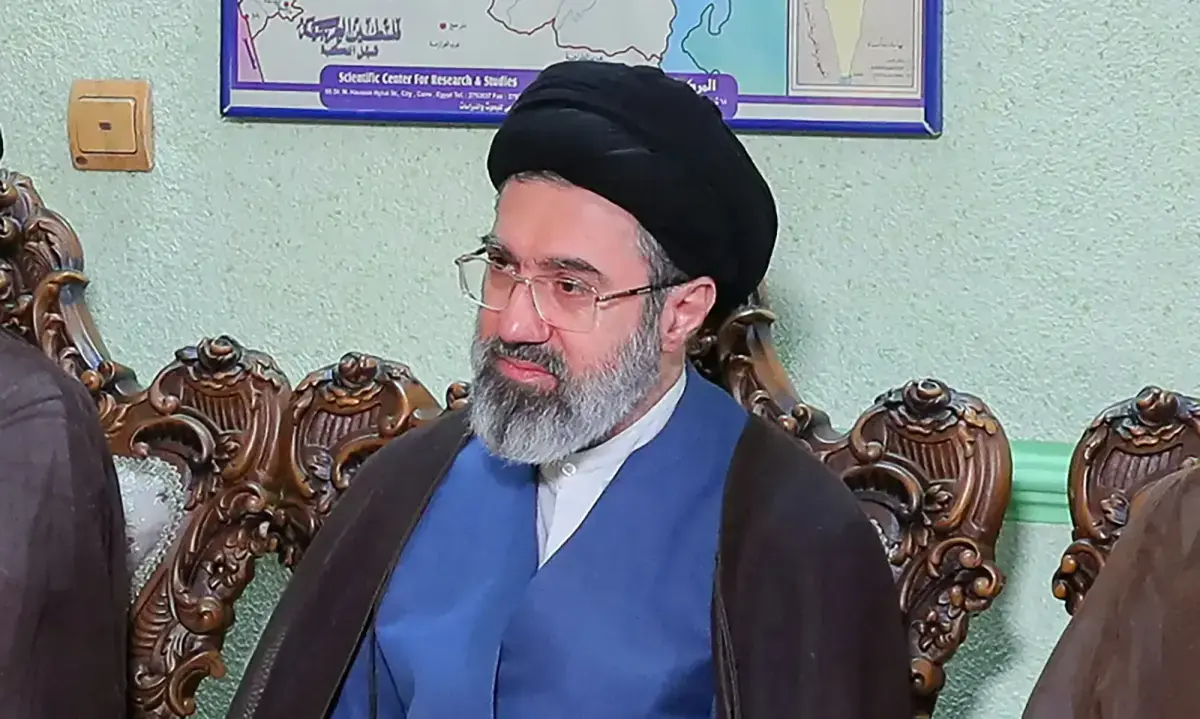
TEHRAN: Iran's Supreme Leader Mojtaba Khamenei on Friday denied Tehran's involvement in recent attacks in Turkiye and Oman, alleging that the incidents were part of a "false flag tactic" orchestrated by Israel to sow discord between Iran and its neighbours.
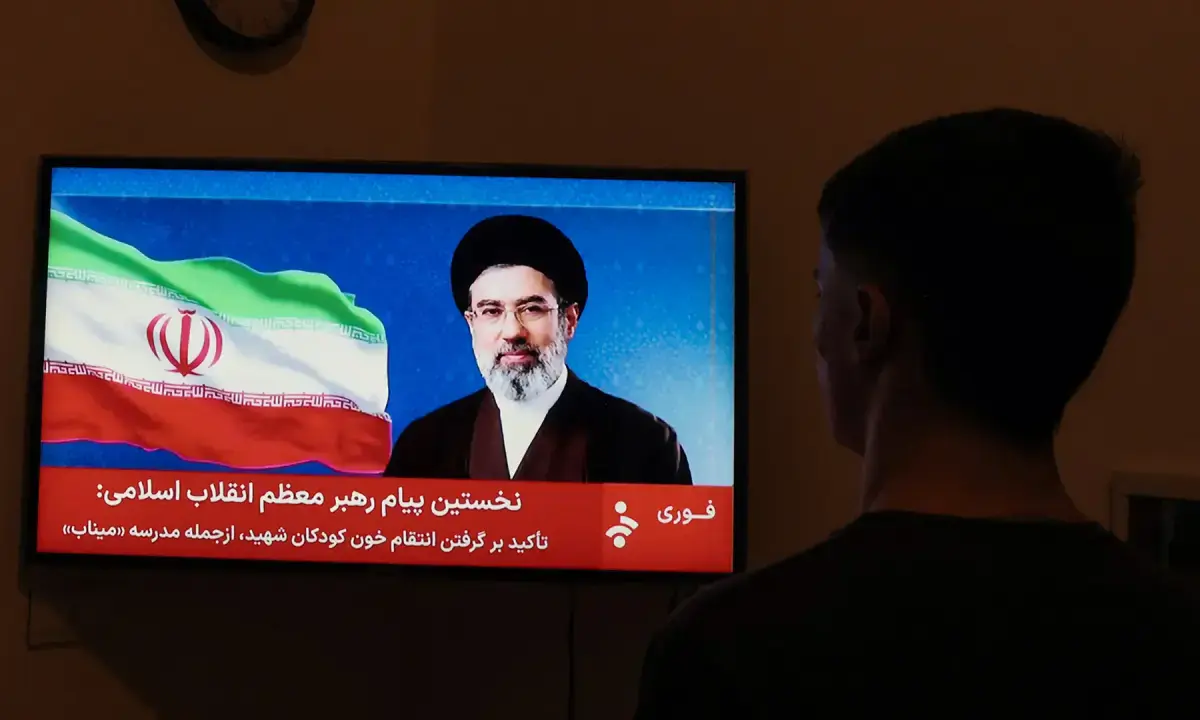
In a statement published on his Telegram channel and official Iranian media on the occasion of Nowruz — the Persian New Year — Mojtaba Khamenei categorically rejected any role by Iran's armed forces or allied resistance groups in the attacks.
"I should also remark that the attacks against Turkiye and Oman – both of which have good relations with us — targeting certain locations in these countries, were in no way carried out by the armed forces of the Islamic republic or the other forces of the Resistance Front," Khamenei said.
"This is a ploy by the Zionist enemy (Israel), employing the false flag tactic to create discord between the Islamic republic and its neighbours, and it may also occur in some other countries," he added.
The supreme leader warned that similar tactics could be employed in other countries as well, suggesting that Israel may attempt to replicate such operations to undermine Iran's diplomatic relations in the region.
Mojtaba's second message as supreme leader
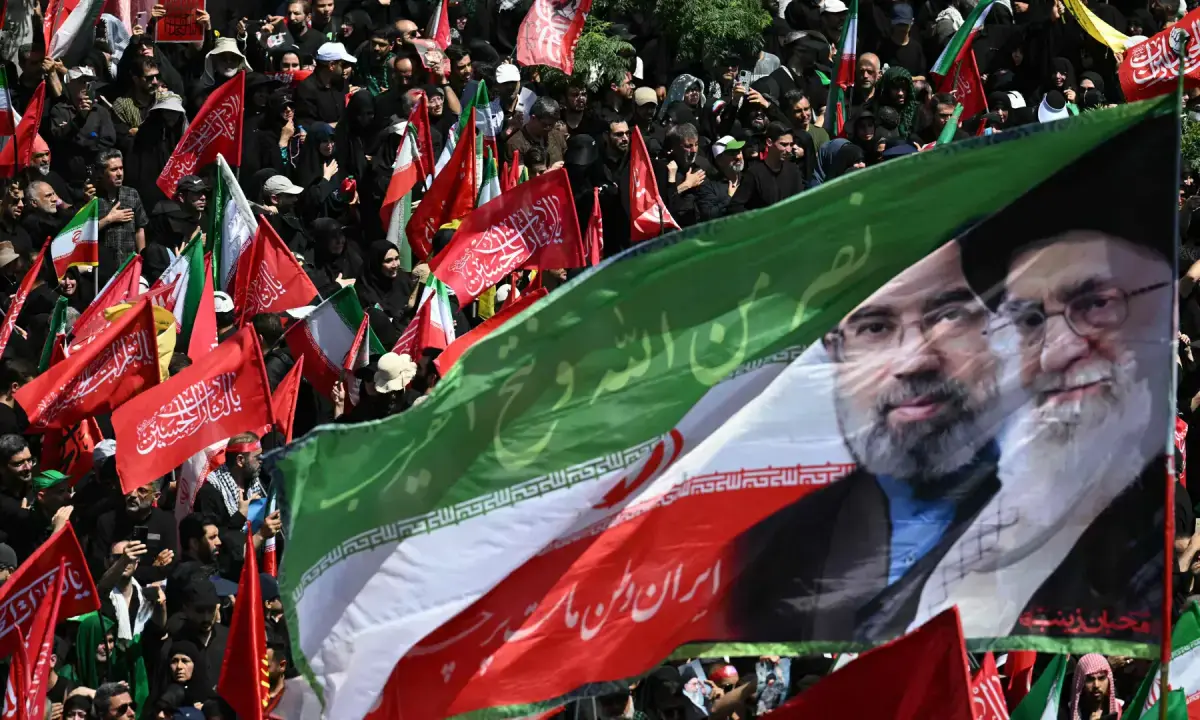
This marks Mojtaba Khamenei's second message since assuming the position of Iran's supreme leader. He took over the role following the assassination of his father and predecessor, Ayatollah Ali Khamenei, on February 28.
Both Turkiye and Oman maintain good relations with Iran, and the supreme leader's statement appeared aimed at preserving those ties by shifting blame for the attacks onto Israel. By framing the incidents as a deliberate Israeli strategy, Mojtaba Khamenei sought to reinforce Iran's position that external actors are working to destabilise the region and fracture alliances between Tehran and its neighbours.
The statement underscored Iran's continued stance of attributing regional provocations to Israel, a narrative that has been a longstanding feature of Tehran's foreign policy rhetoric. The new supreme leader's Nowruz message served as both a diplomatic reassurance to neighbouring countries and a reaffirmation of Iran's adversarial posture towards Israel.
Comments
No comments yet. Be the first to join the discussion!