Oil prices fall over $2 as Iraq and Kurdish authorities reach export deal
Oil prices dropped over $2 after Iraqi and Kurdish authorities agreed on an export deal, with Iraq seeking to pump at least 100,000 barrels per day of crude.

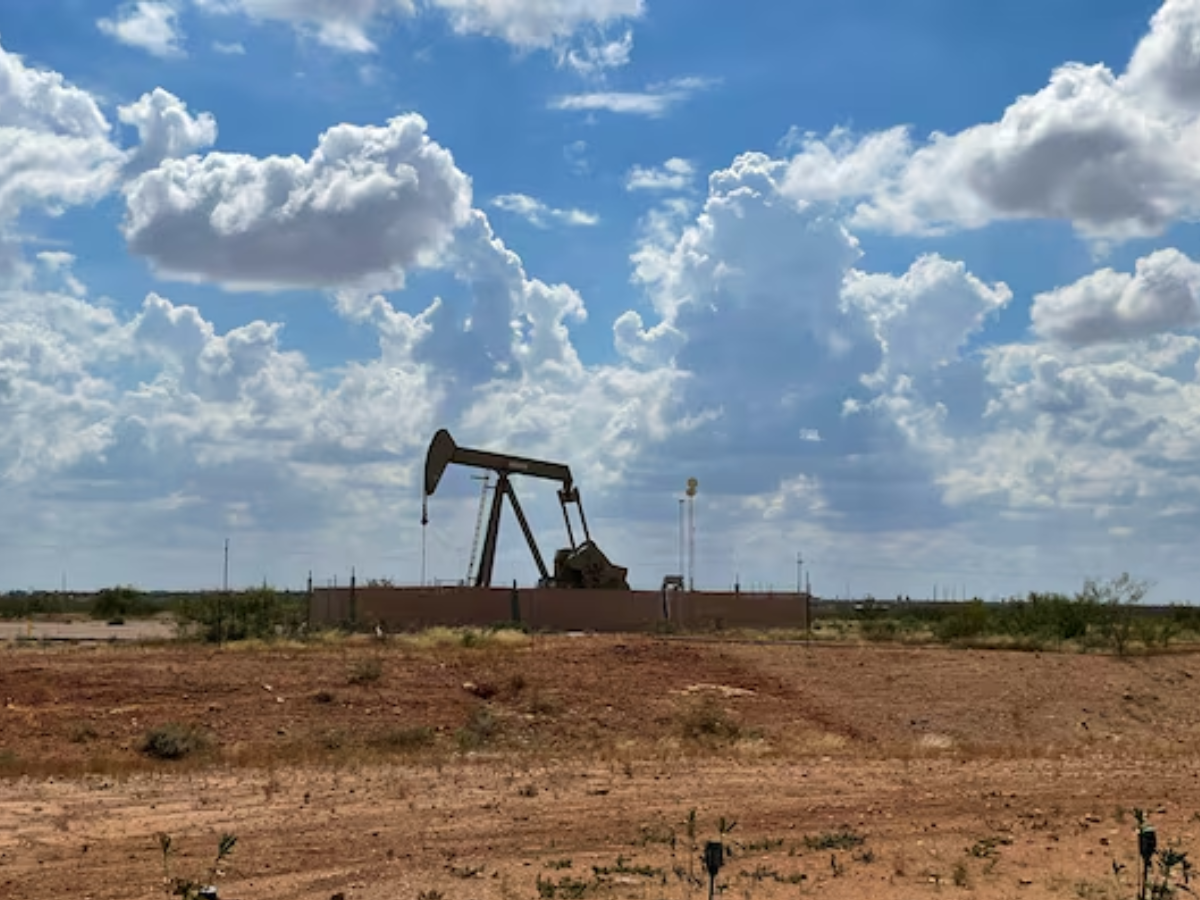
BAGHDAD: Global oil prices dropped by more than $2 after Iraqi and Kurdish authorities reached an agreement on a crude oil export deal, a development that could bring additional supply to international markets.
Iraq aims to boost crude exports
Two oil officials said last week that Iraq is seeking to pump at least 100,000 barrels per day of crude oil as part of the new arrangement. The agreement between Baghdad and the Kurdistan Regional Government (KRG) marks a significant step in resolving longstanding disputes over oil exports from the semi-autonomous northern region.
The deal sent oil prices tumbling by over $2, as markets reacted to the prospect of increased supply from one of OPEC's major producers. The sharp decline reflected trader concerns that additional Iraqi barrels entering the market could further ease global supply tightness at a time when energy markets are already navigating uncertain demand forecasts.
Impact on global energy markets
The agreement between Iraqi and Kurdish authorities is expected to facilitate the resumption or expansion of crude oil shipments, which have been a source of contention between the central government in Baghdad and the KRG for years. The targeted output of at least 100,000 barrels per day represents a notable volume that could influence pricing dynamics across global benchmarks.
Oil markets have been closely watching developments in Iraq, which remains one of the largest crude producers within the Organisation of the Petroleum Exporting Countries (OPEC). Any increase in Iraqi output has the potential to affect the broader supply-demand balance that OPEC and its allies have been carefully managing through coordinated production adjustments.
The price drop of over $2 underscored the sensitivity of energy markets to supply-side developments, particularly from major producing nations. Market participants will be monitoring the implementation of the deal and whether Iraq can achieve the targeted production levels in the coming weeks and months.
The export arrangement is seen as a critical development for Iraq's oil sector, as Kurdish crude exports have faced disruptions and political hurdles in recent years. The resolution of these issues could have broader implications for Iraq's fiscal revenues and its standing within OPEC's production framework.
Comments
No comments yet. Be the first to join the discussion!