March 18, 2026
Gasoline price hike from potential Iran war could push more consumers toward EVs, hybrids
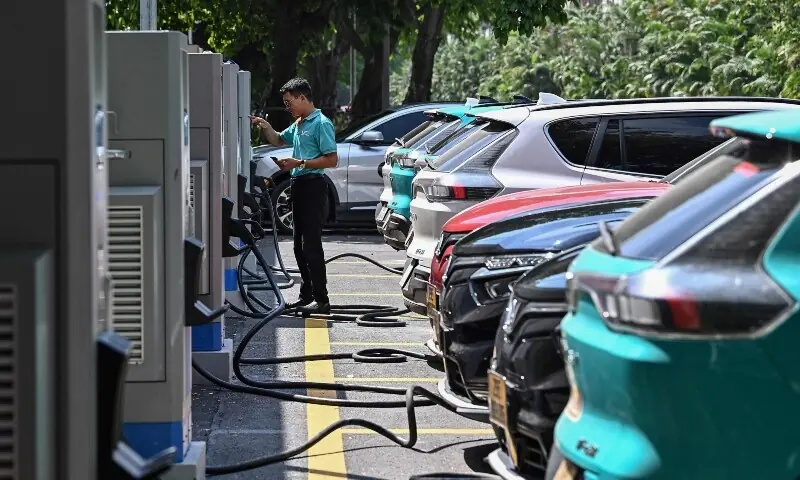
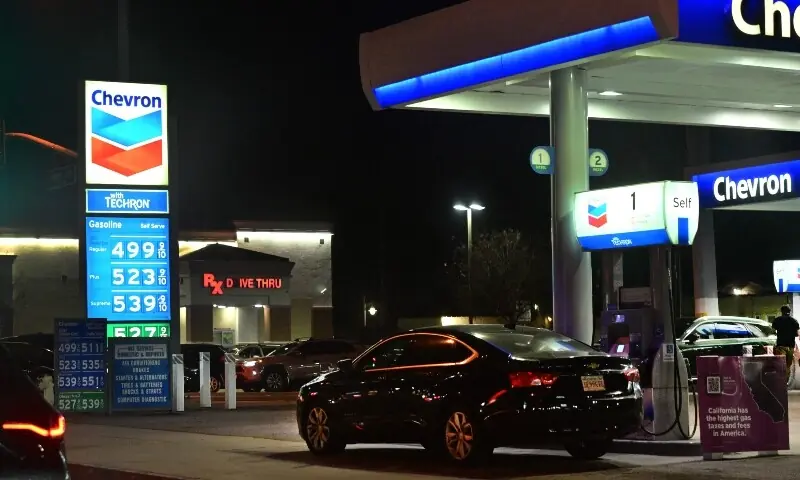
A potential spike in global fuel costs linked to Iran tensions could push consumers toward electric and hybrid vehicles, though the shift may take considerable time.

March 18, 2026
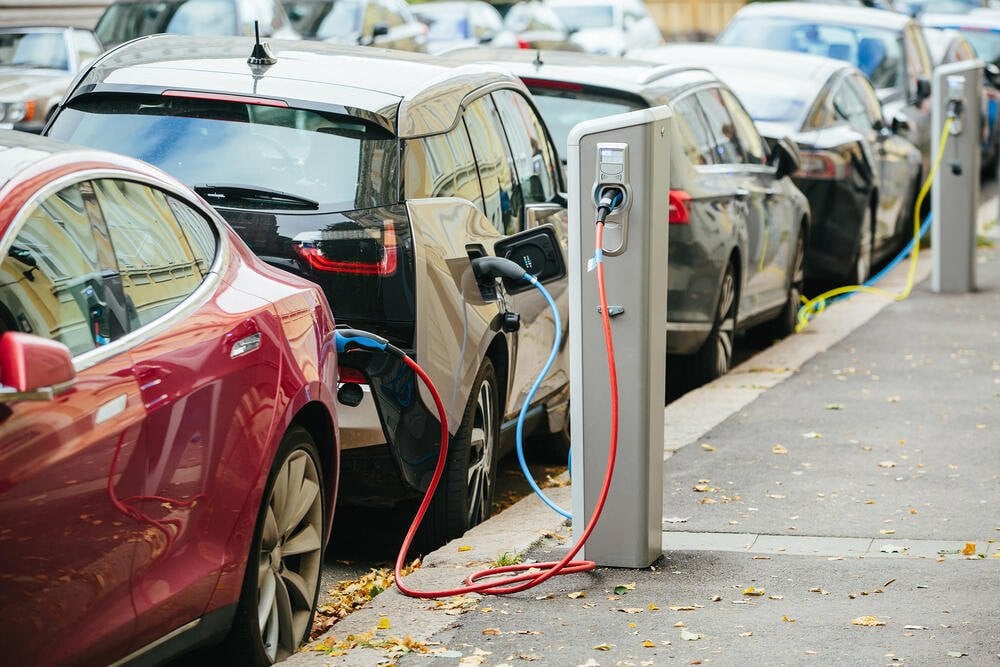
ISLAMABAD: A potential spike in global fuel costs stemming from tensions involving Iran could accelerate the shift among consumers toward electric vehicles (EVs) and hybrid cars, though analysts suggest the transition may take considerable time to materialise fully.
Rising fuel costs and the EV push
The prospect of a conflict involving Iran — a major oil-producing nation — has raised concerns about a sharp increase in gasoline prices worldwide. Such a price surge could serve as a significant catalyst for consumers to explore alternative modes of transportation, particularly electric and hybrid vehicles, which are not dependent on fossil fuels or use them more efficiently.
As global oil markets remain sensitive to geopolitical developments in the Middle East, any disruption to supply chains from the region could send fuel prices soaring. This scenario is prompting industry watchers to assess how quickly consumer behaviour might shift in response to sustained high fuel costs.
Shift may take time
Despite the potential for higher gasoline prices to drive interest in EVs and hybrids, the transition is unlikely to happen overnight. Several factors — including the current availability of charging infrastructure, the affordability of electric vehicles, and consumer readiness — could slow the pace of adoption.
The global automotive industry has been steadily moving toward electrification, with major manufacturers expanding their EV lineups. However, in many markets, including Pakistan, the penetration of electric and hybrid vehicles remains relatively low compared to conventional internal combustion engine cars.
A war-driven spike in fuel prices could nonetheless serve as a tipping point for some buyers who have been on the fence about making the switch to cleaner alternatives. The economic argument for EVs and hybrids becomes stronger as the cost of running a petrol or diesel vehicle rises significantly.
Broader implications
The potential scenario underscores the interconnected nature of geopolitical events and consumer energy choices. As governments around the world push for decarbonisation and reduced reliance on fossil fuels, sudden price shocks in the oil market could inadvertently support the adoption of greener vehicles.
For countries like Pakistan that are heavily reliant on imported oil, a sustained increase in global fuel prices would place additional strain on the economy, making the case for domestic EV adoption and investment in charging infrastructure even more compelling in the long run.
0 Comments
No comments yet. Be the first to join the discussion!