

March 8, 2026
Economic stabilisation expected in FY26, says Planning Minister Iqbal
Planning Minister Ahsan Iqbal has said economic stabilisation is expected in FY26, citing 4.8% LSM growth and $23.2bn in remittances during the first eight months of the current fiscal year.

March 8, 2026
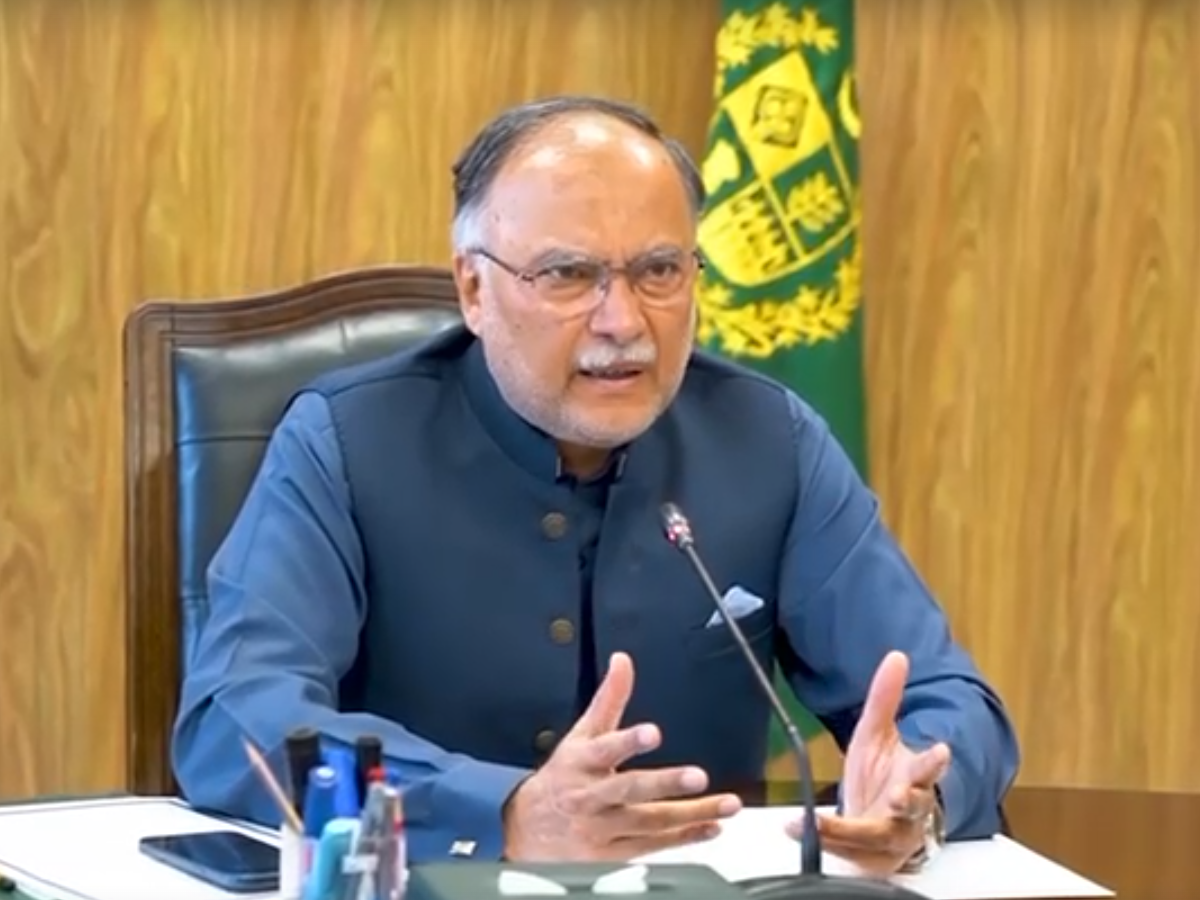
ISLAMABAD: Federal Minister for Planning, Development and Special Initiatives Ahsan Iqbal has stated that Pakistan is likely to achieve economic stabilisation in the fiscal year 2025-26, citing recent improvements in key economic indicators.
Speaking on the country’s economic outlook, Iqbal highlighted that the large-scale manufacturing (LSM) sector recorded a growth of 4.8% during the first eight months of the current fiscal year. He also noted that remittances from overseas Pakistanis rose to $23.2 billion in the same period.
According to Iqbal, these positive trends are a result of the government’s ongoing economic reforms and policy measures. He expressed optimism that the country is on the path to stabilisation, with further improvements expected in the coming years.
Iqbal emphasised the importance of maintaining the momentum of reforms to ensure sustainable economic growth. He stated, “If we continue on this trajectory, economic stabilisation will be visible in FY26.”
The minister also pointed out that the government is focusing on enhancing exports and attracting foreign investment as part of its broader strategy to strengthen the economy. He reiterated the administration’s commitment to addressing structural challenges and creating a conducive environment for business and investment.
Recent data from the first eight months of the fiscal year shows notable progress in key sectors, with LSM growth and increased remittances serving as indicators of economic resilience. The government attributes these improvements to its reform agenda and efforts to restore investor confidence.
Ahsan Iqbal concluded by urging all stakeholders to support the government’s initiatives, stressing that continued collaboration is essential for achieving long-term economic stability.
0 Comments
No comments yet. Be the first to join the discussion!


