3 fuel shipments expected tomorrow as Centre, provinces join forces to manage crisis
As Pakistan faces a petroleum crisis due to Middle East tensions, three fuel shipments are expected by Monday. Officials are coordinating strategies to ensure supply and manage reserves.

-
Finance Minister Aurangzeb and Petroleum Minister meet Sindh and Punjab CMs on strategy to conserve petroleum products and ensure uninterrupted supply
-
Sindh, Punjab CMs briefed on reserves, alternative supply routes amid Strait of Hormuz disruptions
-
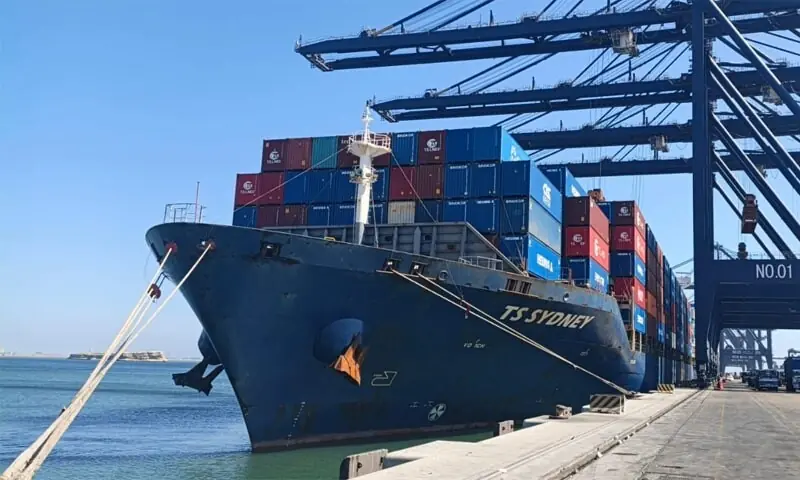
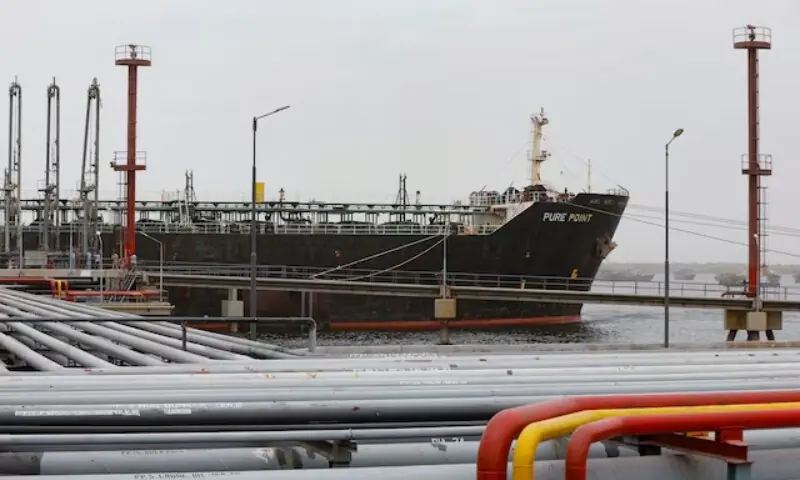
Ali Pervaiz Malik informs three petroleum shipments expected by Monday to ease short-term shortages
-
Opposition TTAP calls hike ‘economic burden on public,’ demanding immediate relief
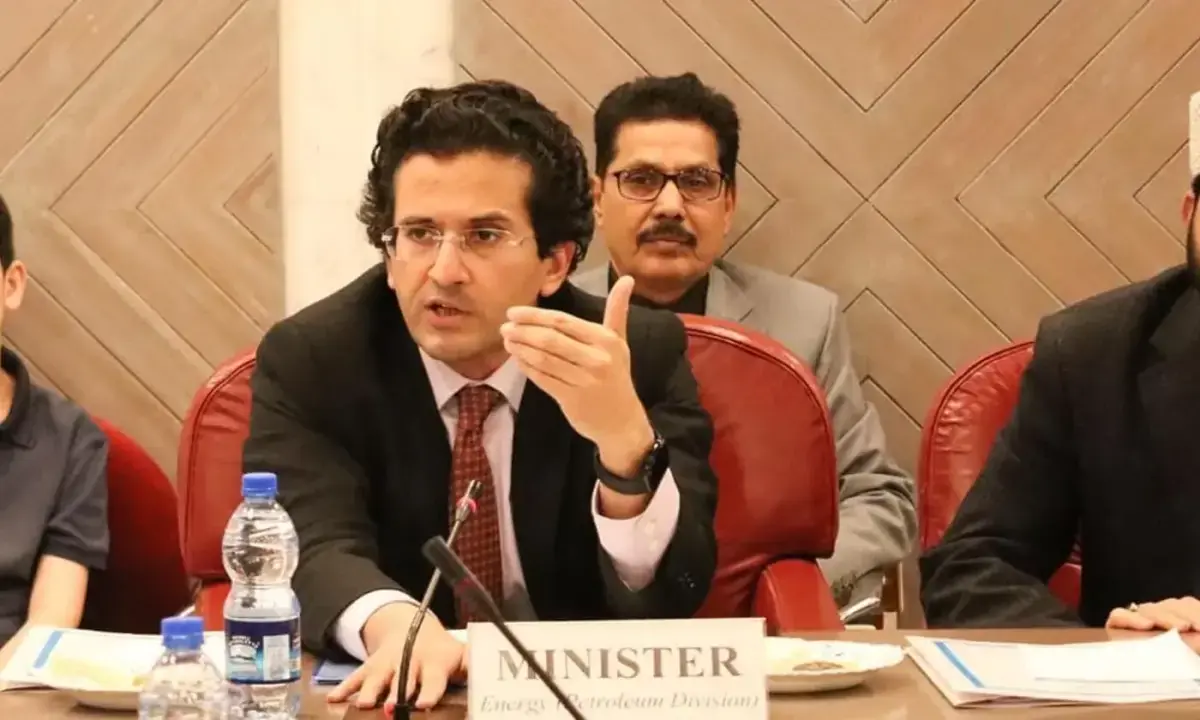
KARACHI/LAHORE: Three petroleum shipments are expected to arrive in Pakistan by Monday (tomorrow), Petroleum Minister Ali Pervaiz Malik informed, as the federal government delegation met with Sindh and Punjab officials on Sunday to discuss the impact of the Middle East conflict on global oil prices and fuel supply.
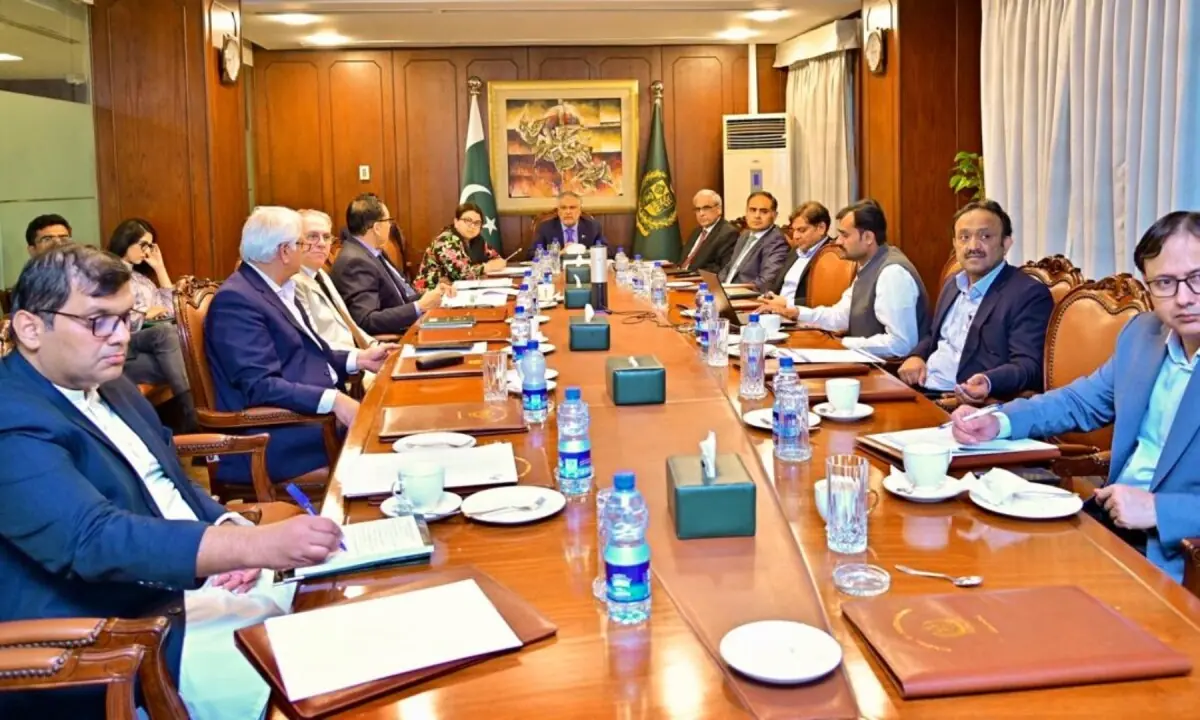
The meeting with Sindh Chief Minister Murad Ali Shah, attended by Finance Minister Muhammad Aurangzeb and Petroleum Minister Ali Pervaiz Malik, took place a day after Prime Minister Shehbaz Sharif directed federal ministers to coordinate with provincial governments on strategies to conserve petroleum products and ensure uninterrupted supply amid concerns arising from the Israel-Iran war.
Sindh Chief Minister Syed Murad Ali Shah meets Federal Finance Minister Muhammad Aurangzeb and Federal Petroleum Minister Ali Pervaiz Malik at the CM House to review the impact of escalating tensions in Iran on Pakistan’s energy supplies and overall economy. pic.twitter.com/u5oGRoVx4H
— Sindh Chief Minister House (@SindhCMHouse) March 8, 2026
According to a statement issued by CM House, the federal delegation briefed the Sindh CM on the recent fuel price hike and the status of petroleum reserves. Finance Minister Aurangzeb said Pakistan’s monthly oil import bill could rise to $600 million due to the conflict, adding that crude prices could reach $120 per barrel if tensions escalate further.
Diplomatic efforts are ongoing with Saudi Arabia, Oman, and the UAE to secure alternative fuel supplies and routes bypassing the Strait of Hormuz. The petroleum minister also noted potential LNG supply disruptions following Qatar’s declaration of force majeure.
Ali Pervaiz Malik stressed the need for fuel-saving measures to extend existing reserves and announced Pakistan would seek International Monetary Fund relief on petroleum levies. The federal and provincial governments agreed to enhance coordination to prevent hoarding at petrol pumps, with Aurangzeb briefing on a joint dashboard to monitor fuel reserves.
Emergency conservation measures were discussed, and CM Murad Ali Shah confirmed that proposals from the meeting would be presented to the cabinet. He emphasised that responsible energy use and public cooperation are essential, and that ensuring the smooth functioning of the economy remains a government priority.
Other attendees included Additional Secretary Petroleum Division Zafar Abbas, OGRA Executive Director Atif Sajjad, DG Oil Petroleum Division Imran Ahmed, OGRA Member Zainul Abidin, and MDs of Sui Southern Gas Company, Muhammad Amin and Muhammad Idrees.
‘Entire nation to demonstrate resilience’: Punjab CM
Earlier, Finance Minister Aurangzeb and Petroleum Minister Ali Pervaiz Malik met Punjab Chief Minister Maryam Nawaz to review the province’s petroleum supply, demand, and reserves. PTV News reported that the participants agreed on a fuel conservation policy to maintain balance between demand and supply, with the CM highlighting the need to ensure uninterrupted diesel supply for agriculture.
Chief Minister Punjab Maryam Nawaz convened an emergency meeting with Federal Ministers on the petroleum supply situation across Punjab. Her immediate response to the emerging crisis reflects the leadership and foresight that defines her governance. Alhumdolilah, the people of… pic.twitter.com/wOuj5XfvP0
— Sania Ashiq (@SaniaaAshiq) March 8, 2026
Maryam Nawaz asserted that no one would be allowed to sell petroleum products above official rates anywhere in Punjab, adding that citizens should not have to stand in long queues at petrol pumps. She called on the “entire nation to demonstrate resilience” in facing these challenges.
The meeting also directed district administrations to continuously monitor petroleum supply and ordered a strict crackdown on hoarding. The Punjab Enforcement and Regulatory Authority (PERA) and the Transport Department were instructed to monitor the situation and take action wherever necessary.
On Friday, the government announced a Rs55 per litre hike in petrol and high-speed diesel, marking the highest-ever increase amid the first direct economic impact of the US-Israel war on Iran. The ex-depot price of high-speed diesel rose to Rs335.86 per litre from Rs280.86, while petrol increased to Rs321.17 per litre from Rs266.17. Pakistan relies heavily on oil supply through the Strait of Hormuz, and the hike reflects disruptions caused by the conflict.
‘Economic burden on public’: TTAP
The opposition alliance Tehreek Tahafuz Ayeen-i-Pakistan (TTAP) on Sunday termed the petroleum price hike an “economic burden on the public.”
During a press conference in Islamabad, TTAP leaders demanded relief for citizens and the restoration of democratic and judicial integrity. TTAP leader Muhammad Zubair questioned why petrol purchased at around $65 per barrel was being sold at rates equivalent to $90, alleging the government would collect roughly Rs110 billion through the increase.
پاکستان کے عوام ریلیف مانگتے ہیں تو پاکستان کے عوام کو یہ کہا جاتا ہے کہ پاکستان ایک غریب ملک ہے، ہمارے جو حکمران ہیں، چاہے وہ پریذیڈنٹ، پرائم منسٹر، چیف منسٹرز، کابینہ کے وزیر، میں چیلنج کرتا ہوں آج اس پریس کانفرنس میں آپ کوئی ویسٹرن یورپ کا کنٹری مجھے اٹھا لیں۔ وہ ڈویلپڈ رچ… pic.twitter.com/nBgXL2pbpD
— Tehreek-e-Tahafuz-e-Ayin-e-Pakistan (@TTAP_OFFICIAL) March 8, 2026
He claimed the Federal Board of Revenue (FBR) is already facing a Rs600 billion shortfall, and if economic affairs were managed properly, relief could have been provided instead of raising prices.
Zubair said the hike would severely impact motorcyclists and low-income citizens, pushing up the cost of goods and services across sectors. He added that the salaried class was being forced to pay more taxes, while the ruling elite continued to enjoy perks and privileges without compromise.
Criticising global instability, Zubair blamed Donald Trump and criticised the Pakistani government for nominating him for the Nobel Peace Prize.
KP’s voice opposition to recent increase in petroleum prices
A day earlier, KP Chief Minister Muhammad Sohail Afridi voiced strong opposition to the recent increase in petroleum prices, describing the move as unjustified. “The ongoing tensions in the Middle East, particularly between Iran, the US and Israel, should not be used as a pretext to impose additional financial burdens on the public.”
The chief minister made these remarks during a meeting with federal ministers for finance and petroleum, Muhammad Aurangzeb and Ali Pervaiz Malik, respectively. The meeting was convened to assess the potential impact of the escalating regional tensions on Pakistan’s petroleum supply lines and the broader implications for the country's economy.
In an official statement released by his office, Afridi stated, “It did not reflect sound governance for governments to continue unnecessary and excessive expenditures while shifting the consequences.” He further asserted that it is the responsibility of governments to provide relief to citizens during challenging periods, rather than transferring the burden of crises directly onto the public.
The meeting highlighted the need for a coordinated response to potential supply challenges, while also stressing the importance of fiscal discipline at all levels of government.
Afridi reiterated his stance that citizens should not bear the brunt of external crises, and called for measures to mitigate the impact of international developments on domestic fuel prices.
Comments
No comments yet. Be the first to join the discussion!