Pakistan pledges responsible use of critical minerals at UN
At the UN, Pakistan's ambassador highlighted the nation's commitment to responsibly develop critical minerals, aiming for sustainable economic growth and community benefits.

NEW YORK: Pakistan has reaffirmed its readiness to work with members of the United Nations Security Council and the wider international community to ensure that critical minerals become a driver of sustainable development, economic progress and global stability.
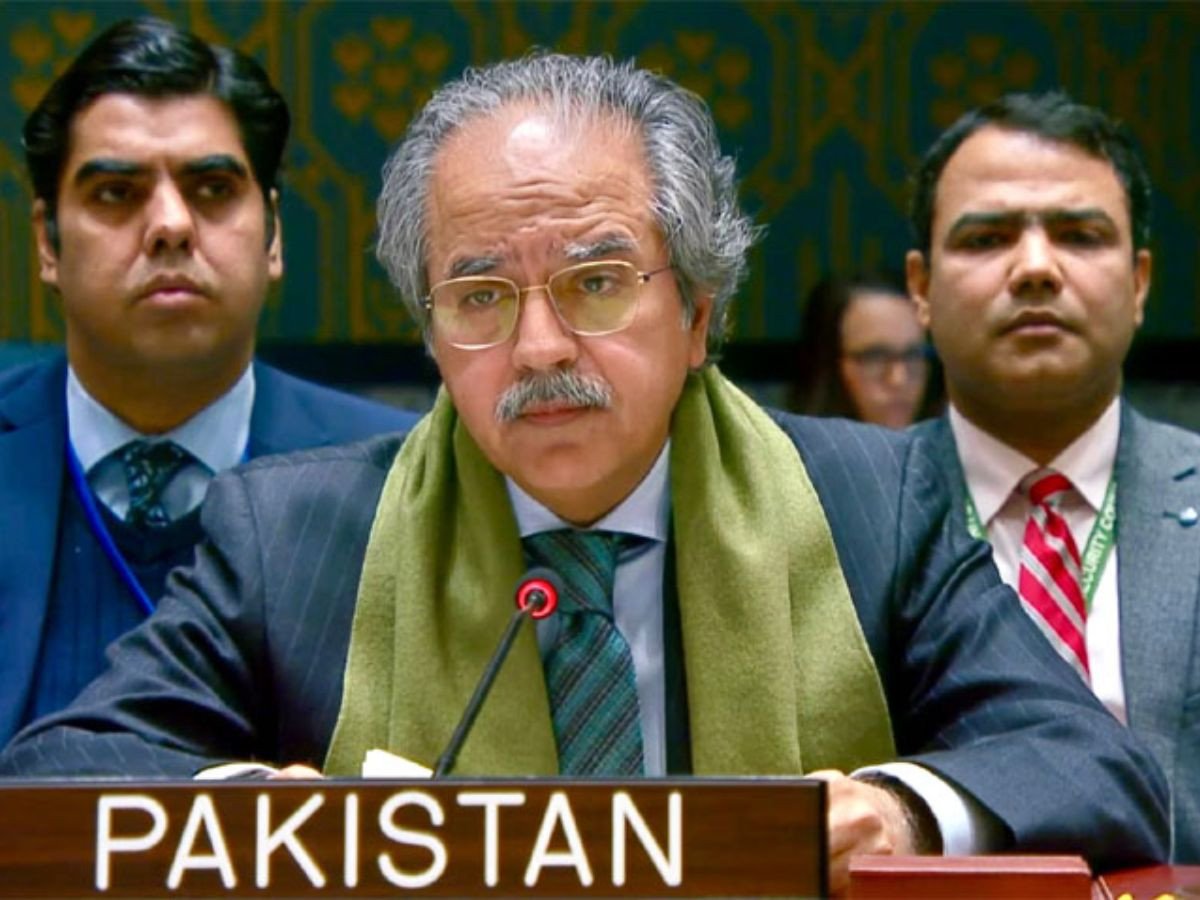
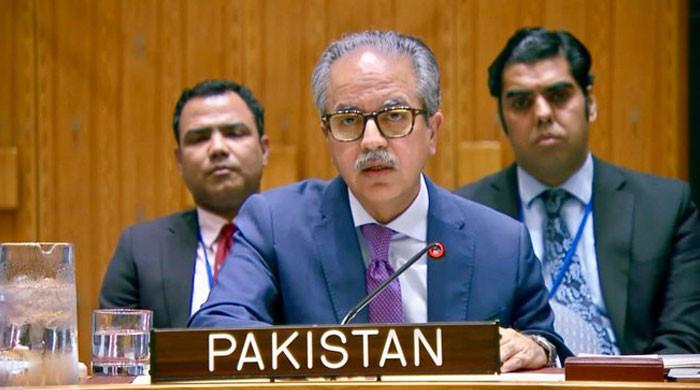
The commitment was expressed by Pakistan’s Permanent Representative to the United Nations, Asim Iftikhar Ahmad, during a briefing on “Energy, Critical Minerals and Security” held in New York on Friday, according to Radio Pakistan.
Addressing the session, Ambassador Iftikhar said Pakistan remained committed to the responsible development of its energy and mineral resources, emphasising that Islamabad was taking concrete steps to unlock the country’s vast resource potential while adhering to global sustainability standards.
He noted that the government has launched a series of targeted initiatives aimed at accelerating the exploration and development of critical minerals. These include strengthening regulatory frameworks, modernising geological mapping, enhancing transparency in licensing procedures, and promoting environmentally responsible mining practices.
“Our objective is to ensure that Pakistan’s resource potential translates into industrial growth and social development,” he said, stressing that the country is aligning its mineral sector with international sustainability and security goals.
Pakistan possesses significant untapped mineral reserves, including copper, gold, lithium, cobalt, rare earth elements and gemstones, yet exports from the sector remain limited and local communities often benefit little from the wealth beneath their soil.
The government is seeking to change this through policy reforms, improved governance and increased investment promotion, positioning Pakistan as a responsible partner in the global critical minerals market.
In this context, the Pakistan Minerals Investment Forum 2026, scheduled to take place in Islamabad on April 8–9, is expected to play a key role in attracting sustainable investment and showcasing mining opportunities.
The forum will host technical sessions, an international gemstone exhibition and initiatives designed to improve market access, strengthen skill development and enhance environmental safeguards for miners.
Strategic projects such as the Reko Diq are widely viewed as potential game changers for Pakistan’s economy. If fully developed, the project could generate billions of dollars in revenue, create thousands of jobs and significantly boost the country’s industrial capacity.
Experts estimate that effective development of Pakistan’s mineral and gemstone sector could add $5–7 billion annually to the national GDP over the next decade, transforming largely underutilised natural resources into a major pillar of economic growth.
However, analysts caution that treating critical minerals solely as export commodities could repeat past development pitfalls. Historical experiences, such as the Green Revolution, illustrate how growth driven purely by output can sometimes deepen inequality, harm the environment and marginalise local communities.
For resource-rich countries like Pakistan, experts argue that true mineral security lies in ensuring domestic needs are met and that revenues from mineral wealth translate into broad-based social and economic benefits, rather than gains for a narrow elite.
Comments
No comments yet. Be the first to join the discussion!