Winter heat raises glacier flood threat in northern Pakistan
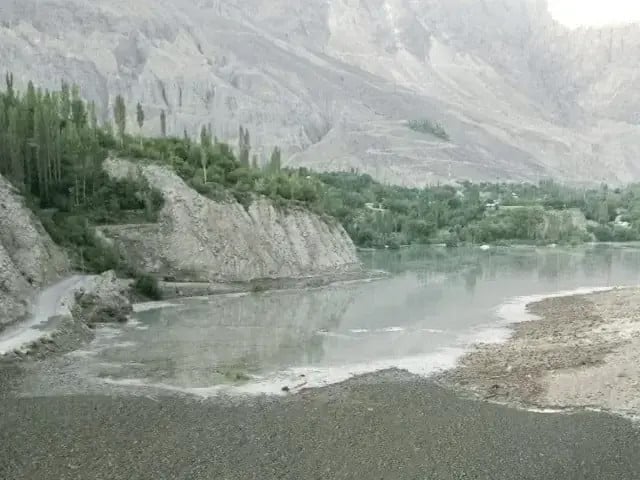
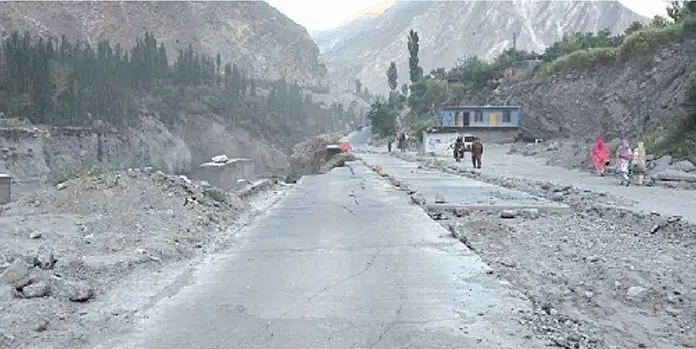
Northern Pakistan faces a heightened risk of glacier floods due to an unusually warm winter, with temperatures significantly above normal and reduced snowfall. The Pakistan Meteorological Department warns of potential GLOF events in vulnerable districts.

Northern Pakistan is witnessing an unusually dry winter marked by below-average rainfall and snowfall, heightening fears of accelerated glacier melt and potential Glacial Lake Outburst Floods (GLOFs), the Pakistan Meteorological Department said on Monday.
In a statement, the department said reduced precipitation and persistent clear skies have led to stable atmospheric conditions and significantly higher temperatures across Gilgit-Baltistan during the first three weeks of February.
Daytime temperatures have been recorded 3–5°C above normal, while nighttime readings remained 1–3.5°C above the 1981–2010 climatological average. The highest daytime increases were observed in Gilgit and Bunji, while Chilas and Bunji also saw notable rises in minimum temperatures. Warmer nights have limited overnight refreezing, accelerating snow and glacier melt in mid- and lower-altitude المناطق.
The PMD warned that reduced nighttime cooling is increasing meltwater runoff into glacial lakes. Rapid melting is adding to water accumulation in both moraine- and glacier-dammed lakes, raising the risk of GLOF events in downstream valleys.
Its outlook for February to April 2026 indicates a strong likelihood of above-normal temperatures across northern Pakistan, including Gilgit-Baltistan and Kashmir. Districts considered most vulnerable include Gilgit, Ghizar, Hunza, Bunji, Chilas and Astore.
Between February 1 and 22, average daytime temperatures climbed as much as 4.7°C above normal in Gilgit, while nighttime anomalies reached 3.4°C in Chilas.
The meteorological department said it is closely tracking temperature trends, glacier melt and hydrometeorological indicators, and will issue timely advisories to relevant authorities and local communities.
Comments
No comments yet. Be the first to join the discussion!