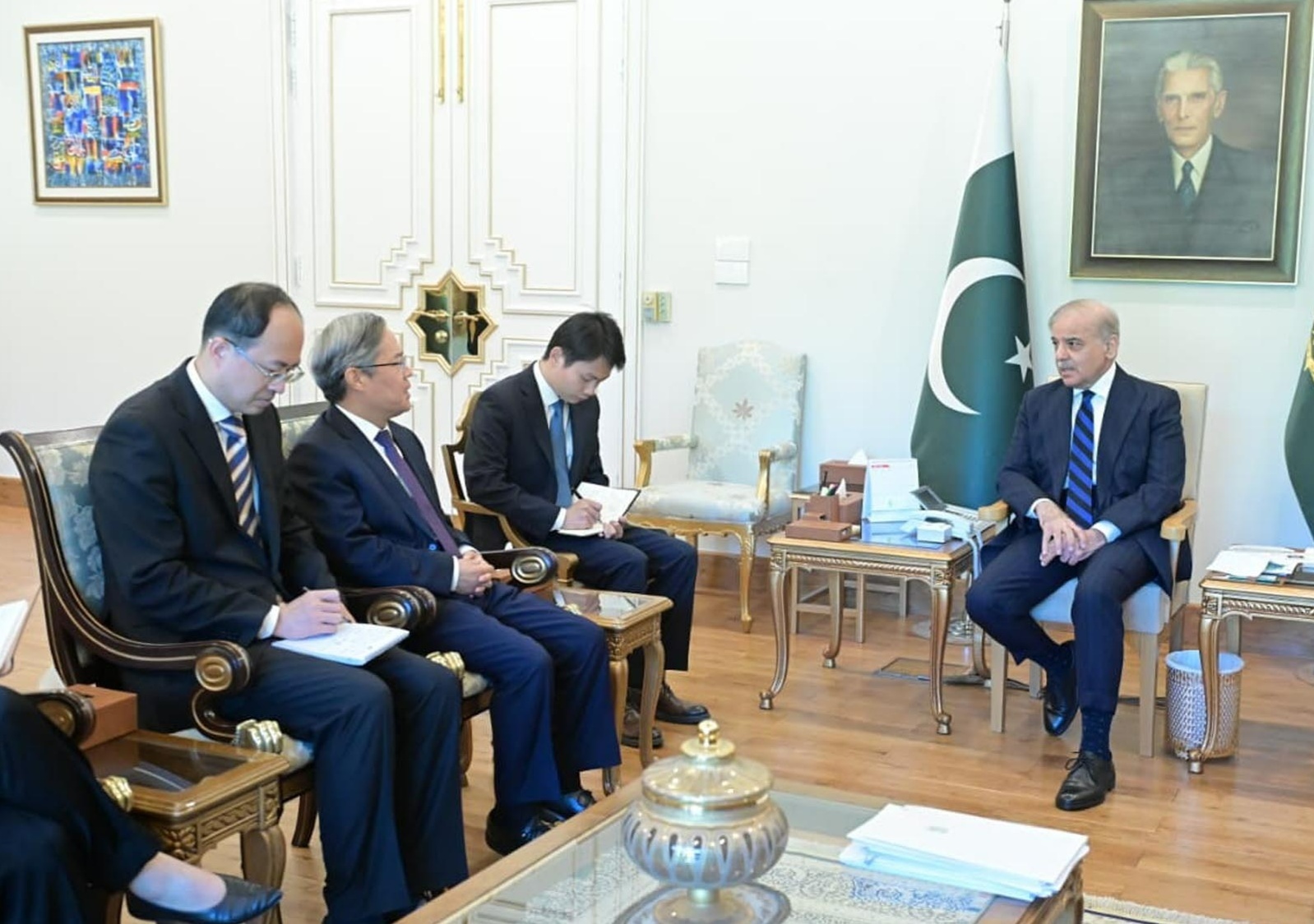
Expert lauds Shehbaz’s call for collective action on terrorism and regional unrest


BEIJING: Prime Minister Shehbaz Sharif, in his address at the international forum in Ashgabat, highlighted the critical link between regional conflicts and global stability, emphasizing that unrest in areas such as Afghanistan and Gaza has far-reaching consequences.
Prof. Cheng Xizhong, Senior Research Fellow at Beijing’s Charhar Institute, said Shehbaz’s speech made it clear that peripheral conflicts are not isolated threats but indicators of systemic vulnerabilities affecting international security.
Pakistan, he noted, has positioned itself as a key advocate for preventive diplomacy, stressing that addressing terrorism and instability at their sources is essential for maintaining global peace.
According to Prof. Cheng, Shehbaz’s endorsement of the Gaza Peace Plan and UN Security Council Resolution 2788 reflects Pakistan’s commitment to proactive engagement, urging the international community to prioritize conflict prevention over reactive crisis management.
The expert further highlighted the Prime Minister’s focus on connectivity and sustainable development, calling them crucial for transforming tension-prone regions into stable and prosperous areas.
He noted that Pakistan’s initiatives in financial inclusion and climate action demonstrate how targeted development can mitigate the root causes of conflict, while Shehbaz’s appeal for equitable access to technology and climate justice underscores the importance of fairness in fostering global stability.
Prof. Cheng concluded that PM Shehbaz’s address sends a strong message: collective international action, combining peacebuilding, inclusive development, and security cooperation, is the only way to turn fragile regions into resilient partners in global stability.
Comments
No comments yet. Be the first to join the discussion!