UN sounds alarm as Hormuz crisis, Houthi attacks imperil global shipping
The UN warns renewed Houthi attacks on commercial vessels and Hormuz tensions could trigger a wider Middle East conflict, while about 6,000 seafarers remain stranded.

Guterres urges immediate de-escalation as renewed Red Sea attacks threaten wider Middle East conflict
UN seeks urgent protection for 6,000 stranded seafarers amid escalating US-Iran war
UNITED NATIONS: The United Nations on Friday sounded the alarm over the growing risk of a wider regional conflict as renewed Houthi attacks on commercial vessels and escalating tensions surrounding the strategically vital Strait of Hormuz threaten global shipping, while thousands of stranded seafarers remain trapped in increasingly dangerous waters amid the intensifying US-Iran war.
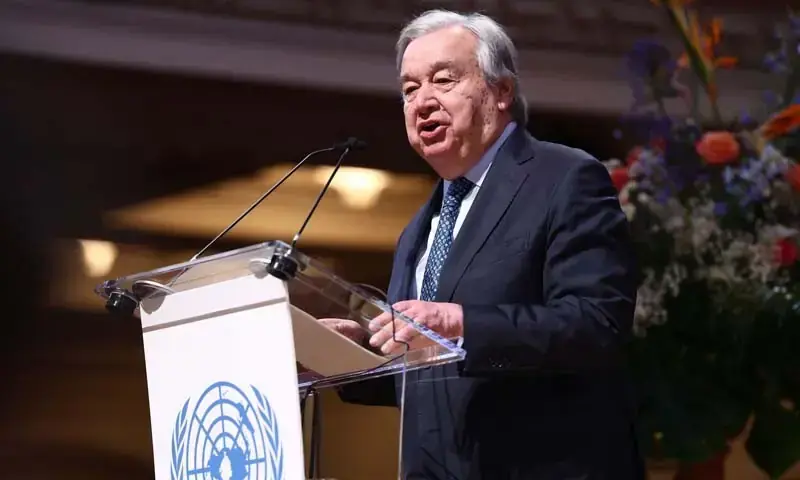
UN Secretary-General Antonio Guterres is deeply alarmed by the resumption of Houthi attacks on commercial vessels in the Red Sea this week and the renewed threats to maritime navigation, his Spokesperson said in a statement.
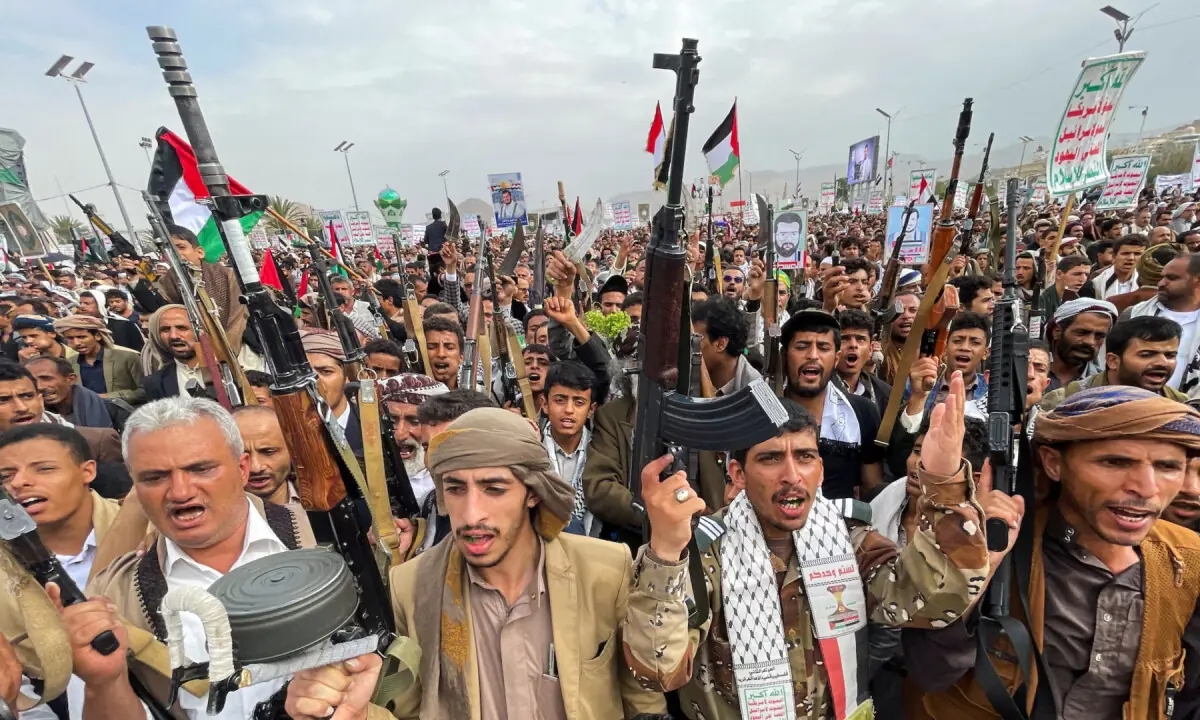
The Yemeni armed movement, formally known as Ansar Allah and backed by Iran, recently entered the conflict and has threatened to blockade the Bab al-Mandab Strait, a key maritime gateway connecting the Red Sea to international shipping lanes.
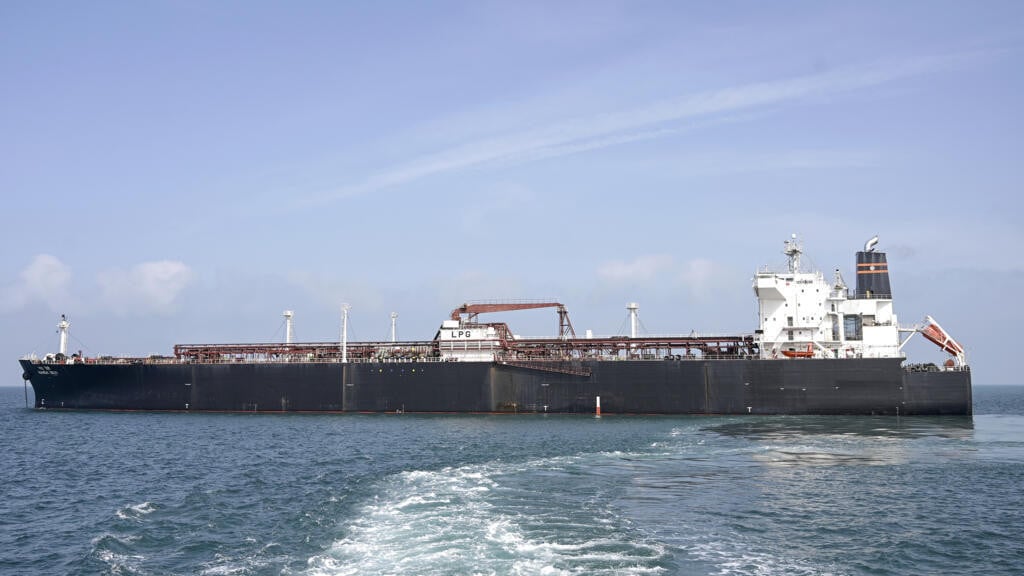
The Houthis have been battling Yemeni government forces, backed by a Saudi Arabia-led coalition, for more than a decade, the UN pointed out. On Thursday, they claimed to have struck two Saudi oil tankers, according to media reports.
“The attack on commercial vessels, claimed by the Houthis, risks further heightening regional tensions and widening the current cycle of escalation with the potential to draw Yemen deeper into regional conflict,” Spokesperson Stephane Dujarric said in the statement.
He warned that “further hostilities in Yemen will undermine prospects for peace, and cause serious economic, humanitarian and environmental consequences across and beyond the region.”
In response, the Secretary-General called for immediate de-escalation and urged the Houthis—who control the Yemeni capital and much of the country's west—to refrain from any further attacks or other escalatory actions, in line with UN Security Council resolutions on attacks against commercial vessels and freedom of navigation in the Red Sea.
The UN Special Envoy for Yemen, Hans Grundberg, also expressed alarm over the resumed Houthi attacks. The envoy has held extensive engagements over the past weeks with Yemeni, regional and international stakeholders in an effort to prevent further deterioration of the situation.
The UN said it has been pushing for peace since the current conflict in the Middle East first erupted in late February following joint US-Israeli bombing of Iran and retaliatory strikes by Tehran across the Gulf region.
A ceasefire announced in April, which was later extended, collapsed this month over alleged violations, including those surrounding the Strait of Hormuz, the narrow waterway through which roughly a quarter of global maritime trade—particularly oil and gas supplies—passes.
Separately, the UN High Commissioner for Human Rights, Volker Turk, on Friday called for urgent international action to protect thousands of seafarers who remain stranded in the strait as the conflict continues to endanger civilian maritime traffic.
At least 6,000 crew members aboard some 400 vessels remain trapped there, having been unable to evacuate during the ceasefire, according to information provided by the International Maritime Organization (IMO).
“This number is not exhaustive as many others are unaccounted for, believed to be stuck in the Persian Gulf on a range of smaller vessels or have otherwise not been located,” said Shabia Mantoo, spokesperson for the High Commissioner.
She said the Office of the UN High Commissioner for Human Rights (OHCHR) has also obtained information indicating that some seafarers have been abandoned by shipowners, who left them stranded at sea without support, repatriation or even payment of their outstanding wages.
OHCHR is aware of at least nine such vessels carrying 93 crew members who have been abandoned since the start of the war.
“The seafarers have been left on their ships to fend for themselves without food, water, fuel, medical care, electricity or means to communicate with their families,” Ms. Mantoo said.
Crew members “face prolonged isolation and confinement in a conflict zone, with uncertainty about their safety and disembarkation—risking a severe toll on their mental and physical well-being.”
They also remain exposed to hostilities as deadly attacks continue in the Strait of Hormuz. Ms. Mantoo recalled that 17 seafarers have been killed since the conflict began.
“Attacks against civilian vessels are unacceptable and must stop. They are protected under international humanitarian law,” she said.
The High Commissioner called on states, shipowners and all relevant parties “to urgently ensure the protection of stranded seafarers including through ensuring effective access to consular assistance, essential supplies and services—and by facilitating evacuations and repatriations.”
Moreover, he urged that “parties to the conflict should urgently work to facilitate safe passage for stranded seafarers to safely evacuate and disembark, as well as ensure the delivery of critical supplies.”
Comments
No comments yet. Be the first to join the discussion!