

IPC says 1.4 million in Gaza may face acute food insecurity by year-end
A new IPC analysis says 1.4 million people in Gaza are expected to face acute food insecurity through December. The report warns conditions remain fragile despite gains linked to post-ceasefire humanitarian aid.

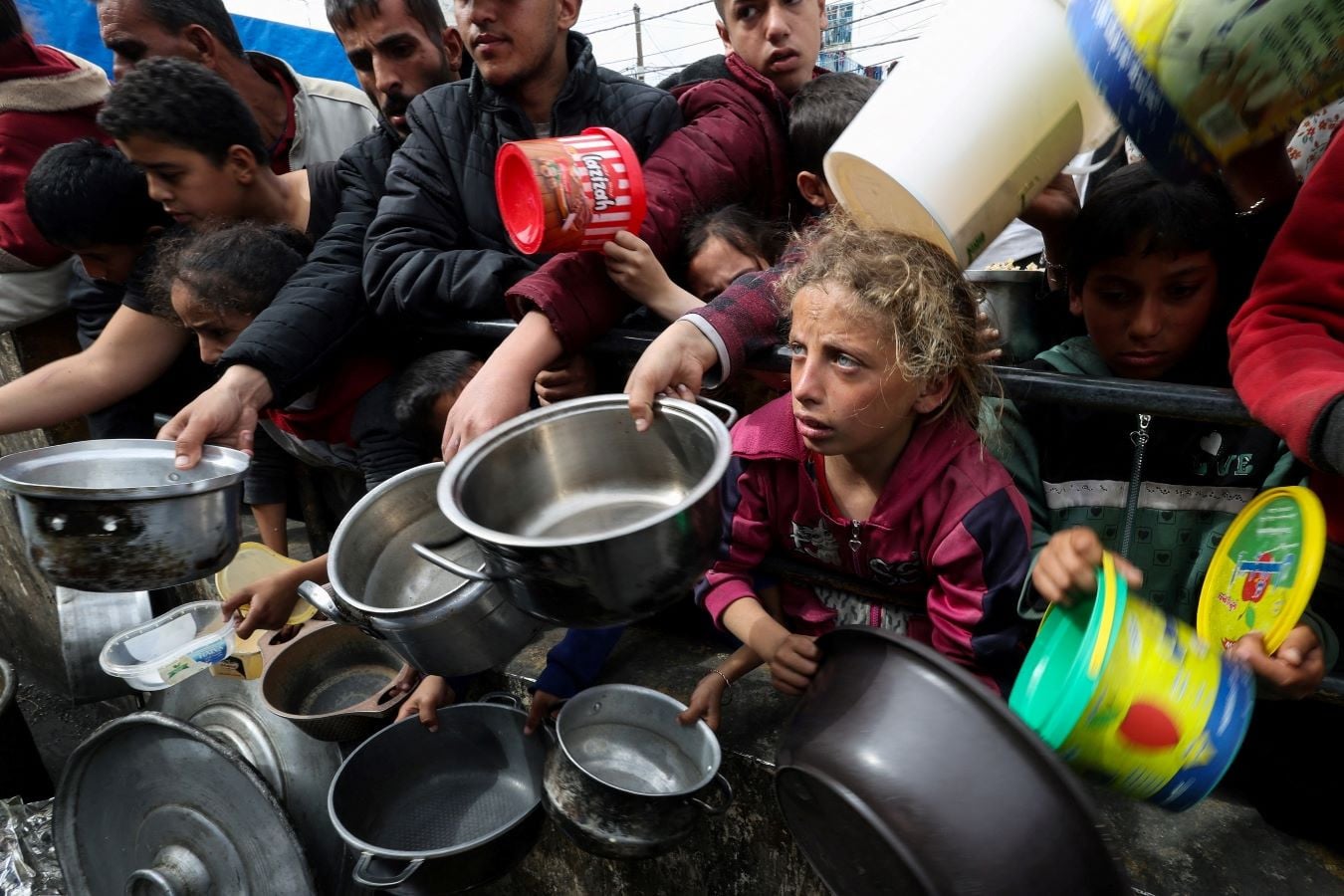
GAZA: An estimated 1.4 million people in Gaza are expected to experience high levels of acute food insecurity through December, according to a new Integrated Food Security Phase Classification analysis released on Thursday.
The IPC said the projected figure was up from 1.2 million people for the mid-April to June period, even though humanitarian assistance after the October 2025 ceasefire had improved conditions. 67% of Gaza’s population was expected to face crisis-level food insecurity or worse, while 212,000 people were projected to remain in emergency conditions. All five governorates of Gaza were classified in Crisis, or IPC Phase 3.
The analysis said broader humanitarian access after the ceasefire contributed to improvements in food security and nutrition, with food aid reaching about 1.49 million people in May. But it warned that assistance remained inadequate, livelihoods had largely collapsed, and 83% of households reported having no source of income, leaving most families reliant on outside aid.
The IPC said the recent gains remained vulnerable because humanitarian assistance has declined since February amid funding shortages and uncertainty over the operations of international aid organisations. It warned that without humanitarian food assistance, around 1.9 million people, or about 90% of Gaza’s population, would face high levels of acute food insecurity through December.
Malnutrition and water shortages
The report projected that 74,200 children under the age of five would need treatment for acute malnutrition by April 2027, including 11,432 severe cases. Only one in five children in Gaza currently had access to an adequate diet because nutritious food remained in limited supply.
According to the IPC, nearly half of households were receiving less than 15 litres of water per person per day for all purposes. 24,600 pregnant and breastfeeding women required urgent nutritional support.
Widespread destruction and continuing violence
The analysis said recovery efforts were being constrained by extensive destruction across the territory. Since the war began, nearly 75% of homes and 70% of roads, along with 95% of agricultural infrastructure and 92% of businesses, had been damaged or destroyed, leaving households with few ways to rebuild their livelihoods.
It also referred to a joint assessment by the World Bank, the European Union and the United Nations, which estimated $35.2 billion in damage to physical infrastructure, $22.7 billion in economic losses and $71.4 billion in recovery and reconstruction needs since Israel’s attacks on Gaza began on Oct 7, 2023.
The IPC said sustained humanitarian access, broader nutrition programmes and a permanent cessation of hostilities were needed to prevent the reversal of recent improvements. Armed violence had continued despite the October 2025 ceasefire, with drone strikes, airstrikes and shelling still taking place. More than 900 civilians have been killed since the ceasefire agreement came into effect.
Comments
No comments yet. Be the first to join the discussion!


