

The Bruise and The Slogan
Why Pakistan debates the words on the placard while ignoring the wounds behind them.

• Why Pakistan debates the words on the placard while ignoring the wounds behind them.
Every year, a familiar pattern unfolds in Pakistan. A woman writes “mera jism meri marzi” on a placard, and the national conversation shifts almost immediately from the violence she is protesting to the phrase itself. Television anchors dissect the wording as though it were the source of injury, rather than a response to one. Commentators express concern over "shameful" slogans while the abuse that prompted them remains exactly where it has always been permitted to remain: inside homes, inside police stations that decline to register complaints, inside family meetings convened to discuss a woman's need to "adjust" rather than the behavior that made adjustment necessary. Aurat March did not create this discomfort. It simply relocated it from a private space, where it could be tolerated indefinitely, to a public one, where it suddenly demands a response. That relocation, not the slogan, is what generates the backlash.
The claim that Aurat March imports foreign values follows a similar logic. It allows the underlying issues to be treated as external to Pakistani society, and therefore optional to address. But a girl withdrawn from school because family honor is considered more important than her education is not a foreign concept. A wife counselled to forgive violence because divorce would embarrass the family is not a foreign concept. The threats to safety and legal recognition faced by trans women are not foreign concepts. These are long-standing features of how the country distributes protection and vulnerability. What may be comparatively new is the willingness of women to name these conditions publicly, rather than absorbing them privately.
That willingness to speak publicly appears to be precisely what draws the most severe response. Organizers routinely report delayed permissions, granted only at the last possible moment. Video footage has been selectively edited to support blasphemy allegations. Activists advocating for bodily autonomy have received death threats from individuals who present themselves as defenders of public morality. Media appearances are often structured unfavorably before the activist speaks: measured speech is characterized as weakness, direct speech as vulgarity. There is little space between these two available characterizations. This pattern suggests something more systematic than spontaneous public anger. A woman who remains silent within her household presents no difficulty for existing arrangements. A woman speaking in public does, and the response to her is disciplinary rather than merely critical.
The scale of the problem is documented, not merely asserted. Pakistan ranked 153rd out of 156 countries in the World Economic Forum's 2021 Global Gender Gap Report. This figure is not an abstraction confined to policy discussions. It describes the wife advised to forgive on the grounds of family reputation. It describes the girl removed from school at puberty. The ranking is, in effect, an aggregate of individual and largely undocumented cases of this kind.
Aurat March itself is not exempt from legitimate criticism, and much of that criticism originates from within the movement. Former organizers have identified class barriers in its leadership structures, noting that working-class women and trans women have often been present as visible symbols of the cause without corresponding influence over its decisions. This is a serious concern. A movement organized around dignity and inclusion cannot credibly advance that claim while reproducing exclusion internally. A feminism that communicates fluently only within elite or English-speaking circles risks replicating the very hierarchies it seeks to challenge.
This is also why the project extends beyond the film itself. A single screening generates discussion for the length of a viewing, after which the audience disperses. The accompanying website, which will include annual data on violence against women, extended interview footage, and ongoing commentary on Aurat March, is intended to sustain that discussion beyond the immediate context of the screening, in a public and durable form.
A woman should not be required to convert her injuries into a slogan before her account of them is accepted as true. Until that changes, this project will continue to examine why the slogan draws scrutiny each year while the underlying violence continues to be rationalized away.
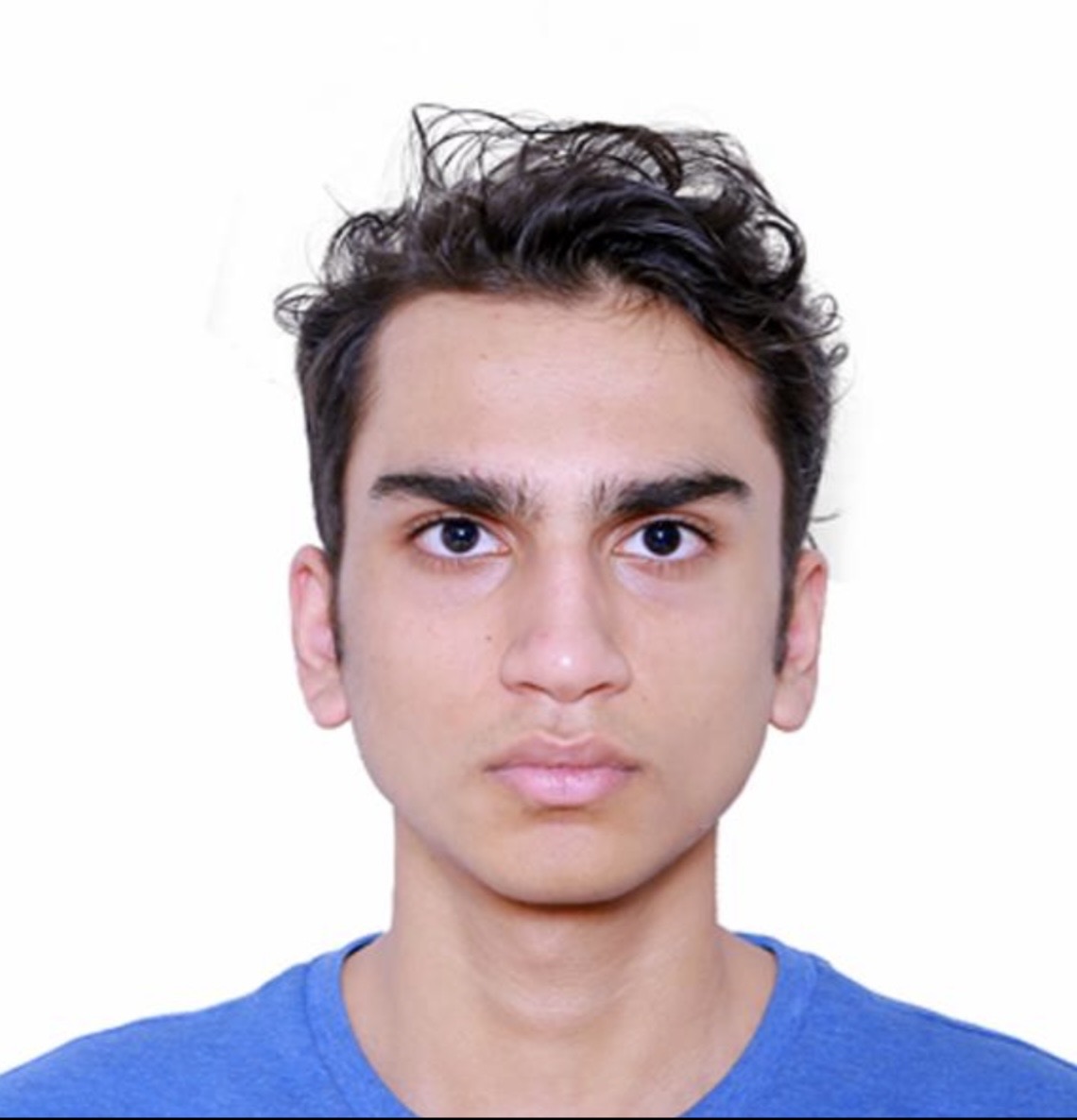
Ahmad Saif is a DP2 student at Trinity School Lahore and an aspiring writer with a passion for social change. Believing that meaningful reform begins with honest conversation, he enjoys exploring the social and political issues that often go unexamined, using research and storytelling to bring overlooked perspectives into public view
View all articles →Comments
No comments yet. Be the first to join the discussion!


