LHC says wife retains dower rights if marriage ends over husband’s misconduct
The Lahore High Court has ruled that a wife does not lose her dower if a marriage is dissolved because of the husband’s cruelty or misconduct. The court also called for fresh legislation to clearly protect dower rights in such cases.

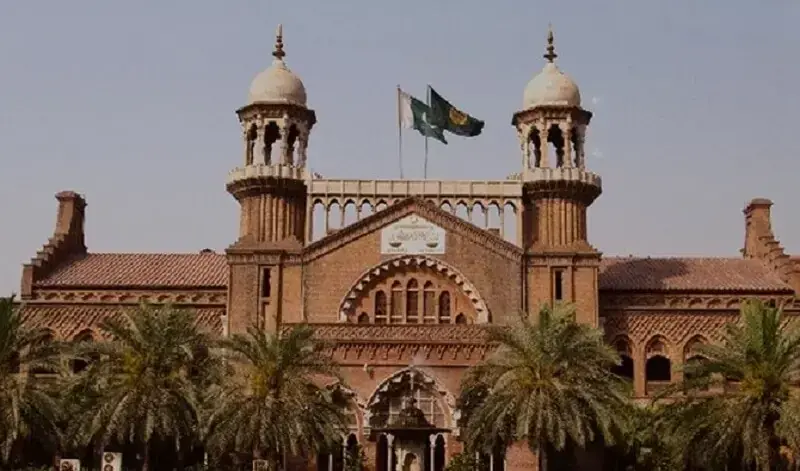
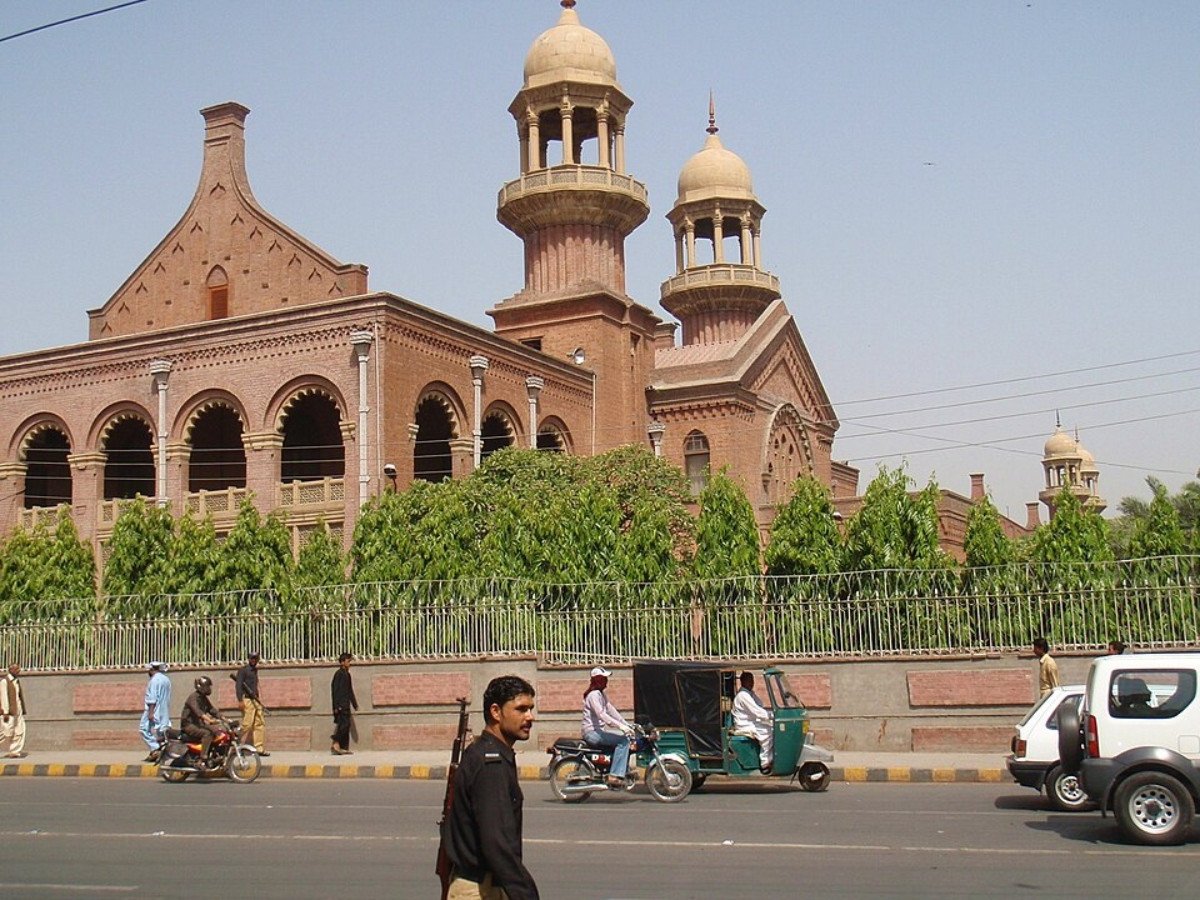
LAHORE: The Lahore High Court (LHC) has ruled that a woman’s right to dower remains intact where a marriage is dissolved because of the husband’s cruelty or misconduct, even if the family court formally describes the decree as khula.
Justice Mohsin Akhtar Kayani issued the ruling while dismissing a husband’s petition against a family court decision that had granted 50 per cent of the deferred dower to his former wife. The case arose from a marriage solemnised on March 18, 2022, in which the deferred dower was fixed at Rs100,000.
According to the judgment, the wife had filed a suit for dissolution of marriage soon after the marriage, alleging that the husband subjected her to verbal and physical abuse when she demanded payment of the dower. She also accused him of being unemployed, involved in theft and intoxication, and of forcing her out of the house.
A senior civil judge in the family division at Toba Tek Singh dissolved the marriage and awarded the wife half of the deferred dower under Section 10(4) of the Family Courts Act, 1964. The husband then challenged that award, arguing that after the Federal Shariat Court struck down sub-sections (5) and (6) of Section 10 in 2022, family courts no longer had the authority to grant any portion of dower after dissolution of marriage.
Distinction between khula and dissolution on misconduct
Justice Kayani rejected that argument and drew a distinction between khula sought solely on the basis of a wife’s personal unwillingness to continue the marriage and dissolution based on the husband’s misconduct, or nashuz. The judgment said that under Sections 2 and 5 of the Dissolution of Muslim Marriages Act, 1939, once a wife establishes statutory grounds including physical, psychological, verbal or economic abuse, her right to dower is not diminished or forfeited, whether the dower is prompt or deferred, paid or unpaid.
The judge also held that cruelty is a civil question to be decided on the balance of probabilities, and that a family court is not bound to insist on documentary corroboration in every case. Justice Kayani ruled:
A wife’s credible testimony does not require medical certificates or police reports to be acted upon by a family court,
The judgment further said family courts cannot routinely transform a case founded on cruelty into a simple khula decree without the wife’s explicit and informed consent.
Dower described as an enforceable proprietary right
Justice Kayani observed that unpaid deferred dower remains a debt payable by the husband and cannot be wiped out by labelling the dissolution as khula. In the ruling, he stated:
Dower is a proprietary right arising from the contract of marriage. It is not a penalty upon the husband, nor a benefit held at the Family Court’s discretion. It cannot be forfeited, reduced or apportioned without a specific finding that the law permits it,
The judge added that the right to seek dissolution of marriage and the right to recover dower are legally distinct and must be treated separately. He said:
A decree of dissolution does not by itself decide the fate of the dower that requires its own finding, on its own evidence,
The judgment noted that confusion in trial courts had increased after the Federal Shariat Court struck down sub-sections (5) and (6) of Section 10 without any replacement legislation, leading some family courts to deny women dower in dissolution cases across the board.
Justice Kayani said there was a need for a new legal provision framed in the language of Section 5 of the Dissolution of Muslim Marriages Act, 1939. According to the judgment, such a provision should require family courts to record an independent finding on the cause of dissolution before deciding the issue of dower, while making clear that dower remains unaffected where a ground under Section 2 of the 1939 law is proved.
The judge directed the LHC registrar to send copies of the judgment to the Punjab Law and Parliamentary Affairs Department and the Law and Justice Commission of Pakistan for the drafting of fresh legislation expressly safeguarding dower rights in marital dissolution cases.
Comments
No comments yet. Be the first to join the discussion!