June 29, 2026
NDMA issues nationwide alert as pre-monsoon rains threaten floods, landslides
NDMA urged Pakistanis to stay on high alert as pre-monsoon rains from June 28 to July 3 could trigger flash floods, GLOFs and landslides in GB, KP and AJK. Authorities warn heat may accelerate glacier melting and advise precaution and reporting.
June 29, 2026

Authority warns intense heat and rainfall could accelerate glacier melting in northern regions
Predicts high risk of GLOFs, flash floods and landslides in GB, KP and AJK from June 28 to July 3
PDMAs placed on high alert to ensure emergency preparedness and rapid response
Monsoon expected to enter Pakistan from July 1 through northeastern Punjab and AJK
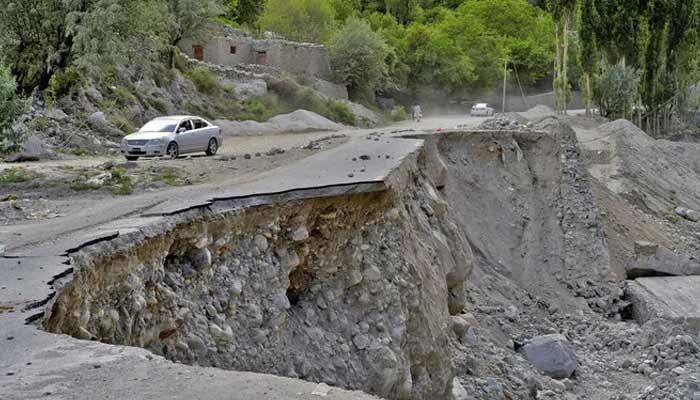
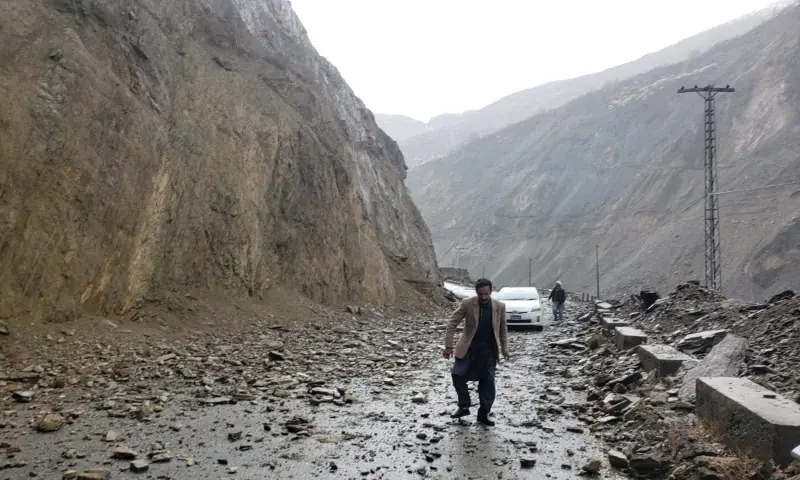
ISLAMABAD: The National Disaster Management Authority (NDMA) on Sunday urged citizens to remain on high alert as intermittent pre-monsoon rains are forecast across Pakistan from June 28 to July 3, warning that the combination of intense heat and rainfall could accelerate glacier melting and trigger flash floods, glacial lake outburst floods (GLOFs) and landslides in the country's northern regions.
The advisory comes as hot and humid weather continues to grip most parts of the country, with daytime temperatures in several cities expected to exceed 40 degrees Celsius today and during the coming week.
NDMA officials cautioned that the dangerous combination of soaring temperatures and the expected pre-monsoon showers is likely to accelerate glacier melting, causing a sharp rise in water levels in rivers and streams across Gilgit-Baltistan, Khyber Pakhtunkhwa and Azad Jammu and Kashmir.
The authority warned that vulnerable mountainous areas face an elevated risk of glacial lake outburst floods (GLOFs), flash floods and landslides during the forecast period due to rapidly changing and unstable weather conditions.
Residents, tourists and travellers have been strongly advised to exercise extreme caution in high-risk districts, including Hunza, Nagar, Ghizer, Skardu, Shigar, Ghanche, Kharmang, Astore, Diamer, Upper and Lower Chitral, and Swat, where sudden weather changes could create life-threatening situations.
The NDMA further urged the public to avoid unnecessary movement near rivers, streams, glacial lakes and riverbanks, stressing the importance of immediately reporting any unusual or hazardous conditions to local authorities to help prevent loss of life and property.
Provincial Disaster Management Authorities (PDMAs) have been placed on high alert with instructions to ensure full emergency preparedness, rapid response capability and coordinated action in the event of any disaster triggered by the expected weather system.
The NDMA emphasized that timely precautions, strict adherence to safety advisories and coordinated preparedness at all levels are essential to minimize risks, protect lives and reduce potential damage from weather-related hazards.
Country in grip of hot, humid weather ahead of monsoon season
Meanwhile, hot and humid weather continued across most parts of the country, with daytime temperatures in several cities expected to remain above the 40-degree Celsius mark today and during the coming week.
The Met Office forecast that the maximum temperature would reach 41 degrees Celsius during the afternoon, while the minimum temperature was recorded at 29 degrees Celsius. Winds were blowing at a speed of nine kilometres per hour, while humidity stood at 39 per cent.
For Lahore, the Met Office predicted hot and humid weather over the next 24 hours, with the maximum temperature expected to rise to 40 degrees Celsius and the minimum recorded at 32 degrees Celsius.
Winds were blowing across the city at eight kilometres per hour, while humidity was recorded at 63 per cent.
In another city, the maximum temperature was expected to reach 36 degrees Celsius during the afternoon. Humidity stood at 72 per cent, with westerly winds blowing at 20 kilometres per hour.
Rainfall at isolated places in Kashmir, upper KP and GB
Meanwhile, the Met Office forecast rainfall at isolated places in Kashmir, upper Khyber Pakhtunkhwa and Gilgit-Baltistan.
The Pakistan Meteorological Department (PMD) on Saturday forecast the onset of the monsoon season from July 1, with the first spell of rainfall expected to affect northeastern Punjab, Kashmir and parts of northern Pakistan.
PMD spokesperson Anjum Nazir said the monsoon is likely to enter the country through northeastern Punjab and Azad Jammu and Kashmir, bringing rain to northern regions and adjoining areas from the beginning of July.
He said there was currently no indication of the monsoon reaching Sindh, adding that no rainfall is expected in the province until at least July 5.
Commenting on Karachi's weather, the spokesperson said a low-pressure system developing over the Bay of Bengal could eventually bring rain to Karachi and other parts of Sindh. However, he noted that the province, including Karachi, is expected to receive below-normal rainfall during the current monsoon season.
Anjum Nazir also said neighbouring India recorded 43 per cent below-average rainfall in June, a trend that could influence weather patterns across the region.
0 Comments
No comments yet. Be the first to join the discussion!