June 18, 2026
Strategic embrace
Xi Jinping’s Pyongyang visit and talks with Kim Jong Un reaffirm robust China–North Korea strategic coordination, boosting political trust, economic cooperation, and regional stability amid shifting security dynamics.

June 18, 2026

Xi-Kim summit marks renewed strategic coordination, deeper political trust
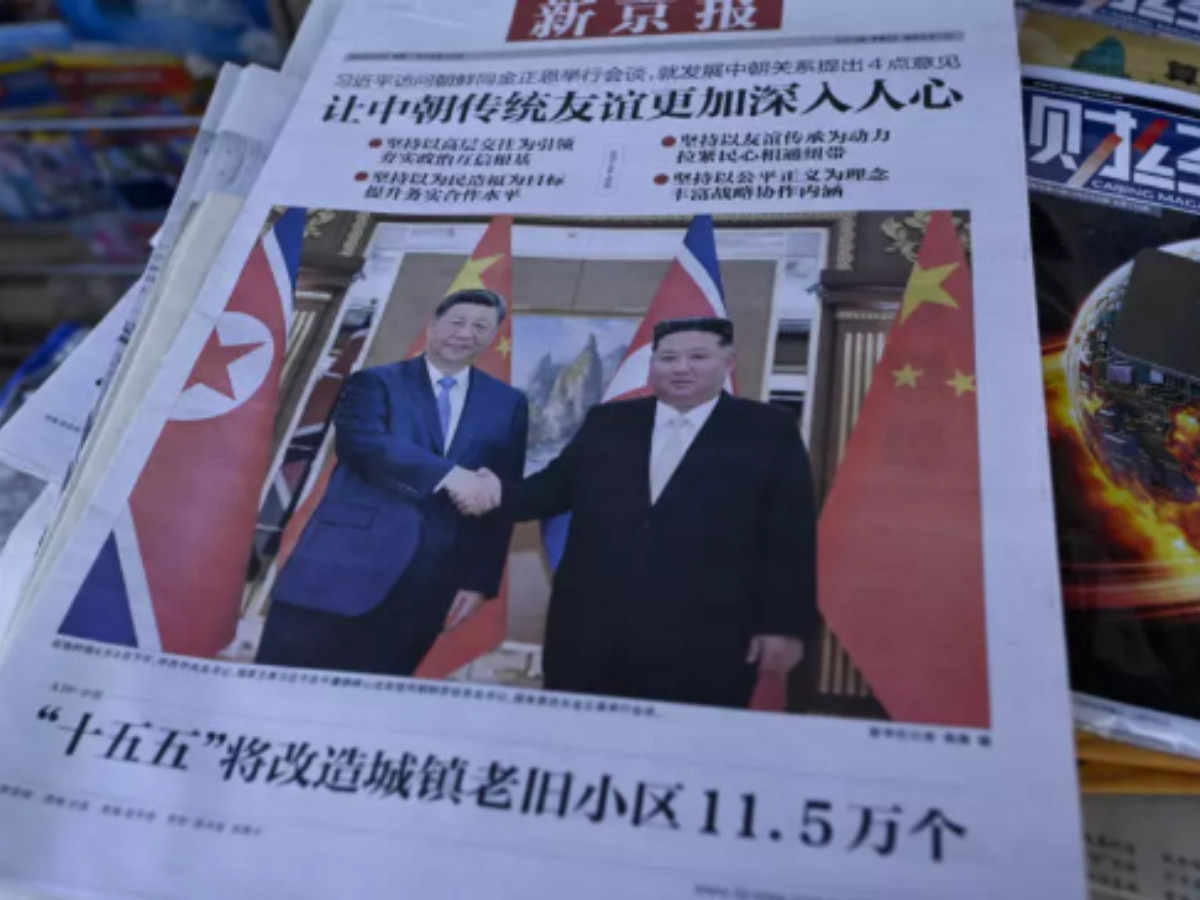
Chinese President Xi Jinping’s visit to Pyongyang and summit meeting with North Korean leader Kim Jong Un is one of the most consequential diplomatic events in Northeast Asia in years. In an era of deepening global competition, the meeting sends a powerful message that China’s strategic partnership with the DPRK remains robust, relevant, and central to the evolving regional order.
The visit of Xi Jinping is not just a ceremonial exchange between neighbouring states, but it also emphasizes the ongoing importance of China-North Korea relations and underscores Beijing’s increasingly important role as a stabilizing influence in a rapidly changing international environment. The summit also reflects China’s confidence in charting an independent diplomatic course and pushing forward its vision for regional peace, development and security.
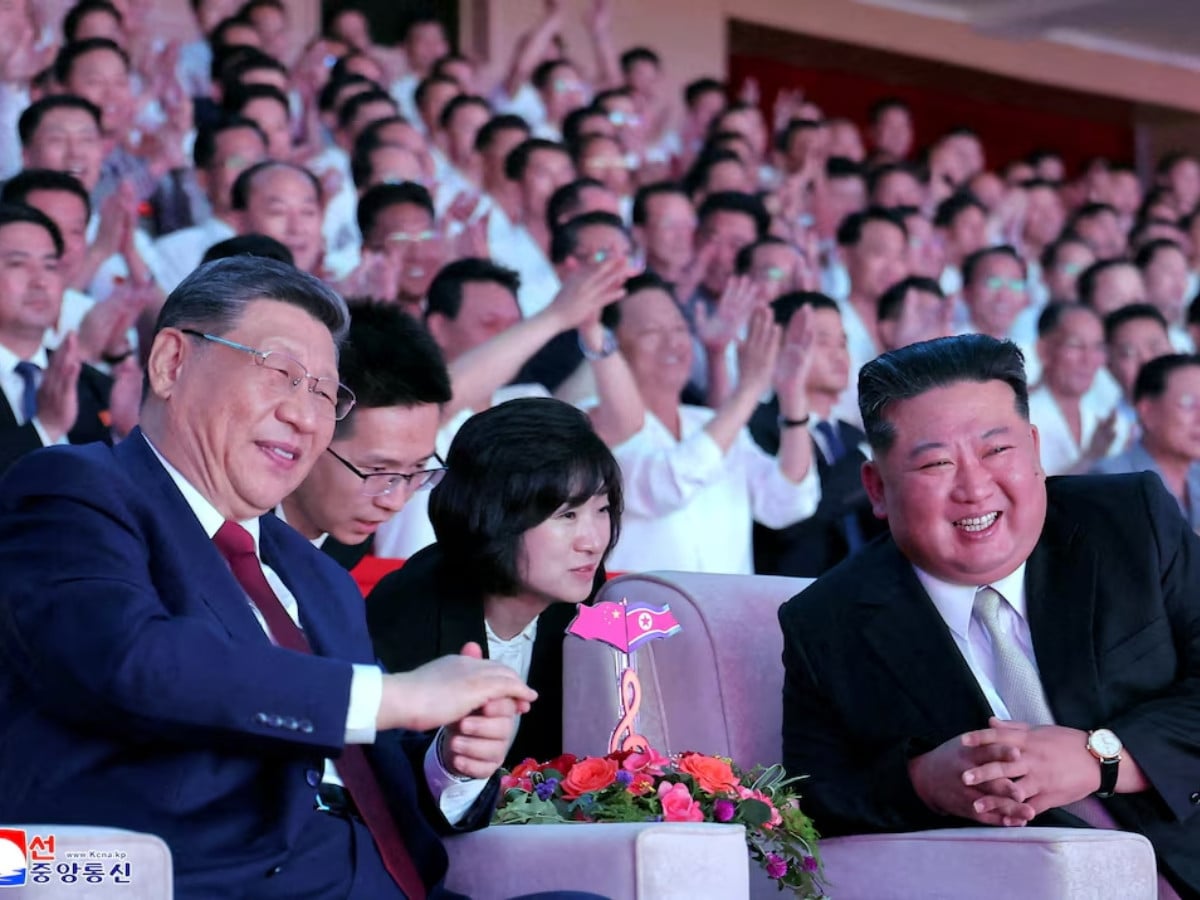
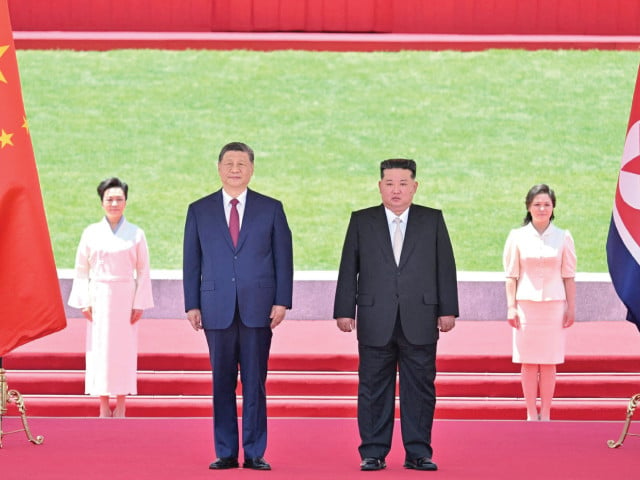
The importance of the visit is not only in the conversations that will happen behind closed doors, but in the symbolism that is projected to the world. The grand reception given to Xi Jinping in Pyongyang demonstrated how highly North Korea’s leaders regard China. The huge crowds, the state-sponsored ceremonies and the vast media attention were evidence of a relationship that had stood the test of time and adapted itself to changing geopolitical realities.
China and North Korea have a special historical relationship forged in the Korean War and reinforced by decades of political cooperation. Though there have been times when international observers have speculated about differences between the two countries, the strategic basis of the relationship has been remarkably stable. The two governments recognize that their cooperation is in their important national interests and contributes to stability on the Korean Peninsula.
China is still North Korea's partner of choice. Beijing is an important diplomatic ally, economic cooperation partner and important window to the outside world. A friendly and peaceful relationship with North Korea helps China to maintain peace on its northeastern frontier and avoid security problems that could disturb regional stability.
These common interests were reaffirmed at the summit between Xi Jinping and Kim Jong Un. The talks focused on boosting political trust, improving strategic communication, developing economic cooperation and coordinating positions on major international issues, reports said. This is the kind of dialogue that reflects the maturity of a relationship that has grown from historic solidarity to a comprehensive strategic partnership.
But the geopolitical importance of the visit is perhaps the most significant thing about it. We are seeing a dramatic strategic shift in Northeast Asia today. The USA has increased its outreach to regional allies and military cooperation between Washington, Tokyo and Seoul. The region's strategic environment has been changed by military exercises, state-of-the-art missile defence systems and enhanced security frameworks.
In that respect, the Xi-Kim meeting is not only about China and North Korea. It is about the future course of Northeast Asia and the wider international order. Beijing and Pyongyang have reaffirmed their strategic partnership and commitment to peaceful development and send a clear message that engagement, not isolation, is the best way to get to enduring stability and shared prosperity.
Against this backdrop, Xi Jinping’s visit to Pyongyang sends an unambiguous message. This suggests that China remains a major player in Northeast Asian affairs, and any attempt to redefine the regional security architecture that does not take into account the interests of Beijing is unlikely to succeed. The summit reaffirmed China’s significant influence on the Korean Peninsula and ongoing importance in shaping regional outcomes.
The visit also shows a fundamental difference between competing approaches to international security. Some powers emphasize deterrence, military alliances and strategic competition. China has always advocated dialogue, negotiation and mutually beneficial cooperation. We see this philosophy in Beijing’s engagement with Pyongyang.
China has said for years that tensions on the Korean Peninsula cannot be resolved by pressure alone. Instead, Beijing has called for the legitimate security concerns of all parties to be addressed through political dialogue and confidence-building measures. Xi Jinping’s visit reinforces this long-standing position and demonstrates China’s commitment to diplomatic engagement to head off conflict.
This approach is all the more relevant in an era of multiple international crises. The failures of coercive diplomacy are now obvious in Europe, the Middle East, and the Asia-Pacific. In this context, China’s focus on dialogue and consultation provides an alternative model of dispute management and tension reduction.
Economic cooperation was another important theme of the summit. Despite international sanctions and external constraints, China remains North Korea’s largest trading partner and most important economic companion. Enhanced cooperation in infrastructure, transportation, agriculture, energy and border trade could open up new opportunities for North Korea’s economic development and improve regional connectivity.
Helping neighbouring countries grow economically is part of Beijing’s broader vision of shared prosperity. Chinese policy makers have long held that development is the basis of security, and that economic growth helps to nurture social stability. China aims to promote economic cooperation with North Korea as a way of creating conditions for long-term peace and development on the Korean Peninsula.
And more economic engagement is in China’s own interest. A stable and growing North Korea lowers the chances of humanitarian disasters, refugee surges and security crises on China’s doorstep. Thus, economic cooperation is not only a strategic investment but also a pragmatic action to protect the stability of the region.
The summit is also a reflection of Xi Jinping’s broader approach to foreign policy. Thanks in part to his leadership, China has become a more engaged player in global governance and international diplomacy. Through connectivity, development and multilateralism initiatives, Beijing has sought to project itself as a constructive force in world affairs.
China’s vision is built on mutual respect, sovereign equality and peaceful co-existence. These principles are deeply felt in many parts of the developing world, where countries are increasingly in search of alternatives to bloc politics and zero-sum competition. The visit to Pyongyang is an example of how China puts these principles into practice, remaining engaged, encouraging dialogue and promoting cooperation even in complex geopolitical circumstances.
The timing of the visit is especially significant. The transformations occurring in the international system are profound and countries around the world are reassessing their strategic priorities and partnerships. Xi Jinping’s diplomatic outreach is a reflection of China’s confidence that it can shape regional developments through engagement rather than confrontation.
The summit also strengthens Beijing’s credentials as an indispensable stakeholder in any future efforts to address issues on the Korean Peninsula. Whatever the goal, be it denuclearization, economic development or the establishment of a lasting peace mechanism, China's participation is indispensable. The Xi-Kim meeting is a reminder that sustainable solutions require the participation of all major stakeholders and cannot be unilaterally imposed.
Going forward, the visit will likely enhance political trust between Beijing and Pyongyang and expand possibilities for practical cooperation. It may also help to bring about greater stability in Northeast Asia by improving communication and reducing the chances of miscalculation in times of heightened tension.
Ultimately, Xi Jinping’s visit to Pyongyang is far more than a bilateral diplomatic event. It shows the enduring strength of a historic partnership, indicates the expanding influence of China in regional affairs and underscores the significance of dialogue in a more fragmented world. In an era where geopolitics often dominates the international conversation, the summit is a reminder that diplomacy, cooperation and mutual respect remain critical tools for building peace and stability.
In that respect, the Xi-Kim meeting is not only about China and North Korea. It is about the future course of Northeast Asia and the wider international order. Beijing and Pyongyang have reaffirmed their strategic partnership and commitment to peaceful development and send a clear message that engagement, not isolation, is the best way to get to enduring stability and shared prosperity.
The writer is Head of News at Pakistan Today. He has a special focus on current affairs, regional and global connectivity, and counterterrorism. He tweets as @mian_abrar and also can be reached at [email protected]
View all articles →0 Comments
No comments yet. Be the first to join the discussion!