June 8, 2026
PHC says it cannot intervene in govt's policy matters
The Peshawar High Court has dismissed petitions against the KP government’s plan to outsource 24 hospitals, ruling that courts cannot interfere in policy matters within constitutional limits. The bench said it found no violation of fundamental rights, arbitrariness or discrimination.

June 8, 2026
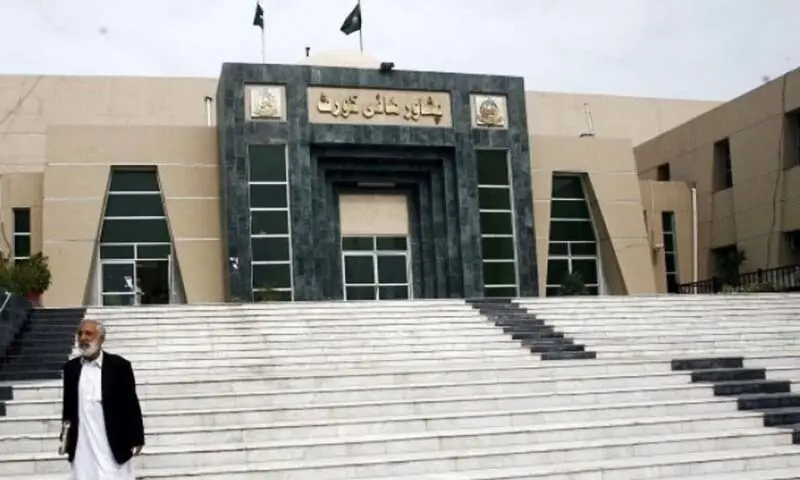
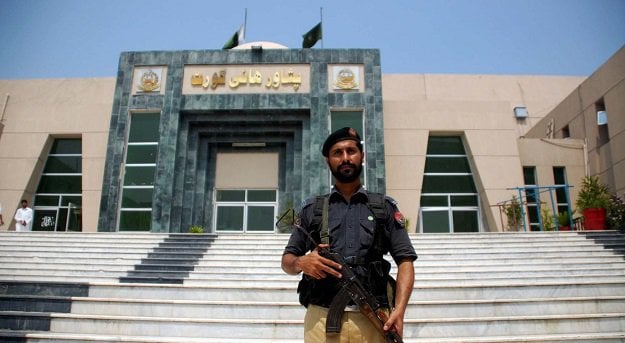
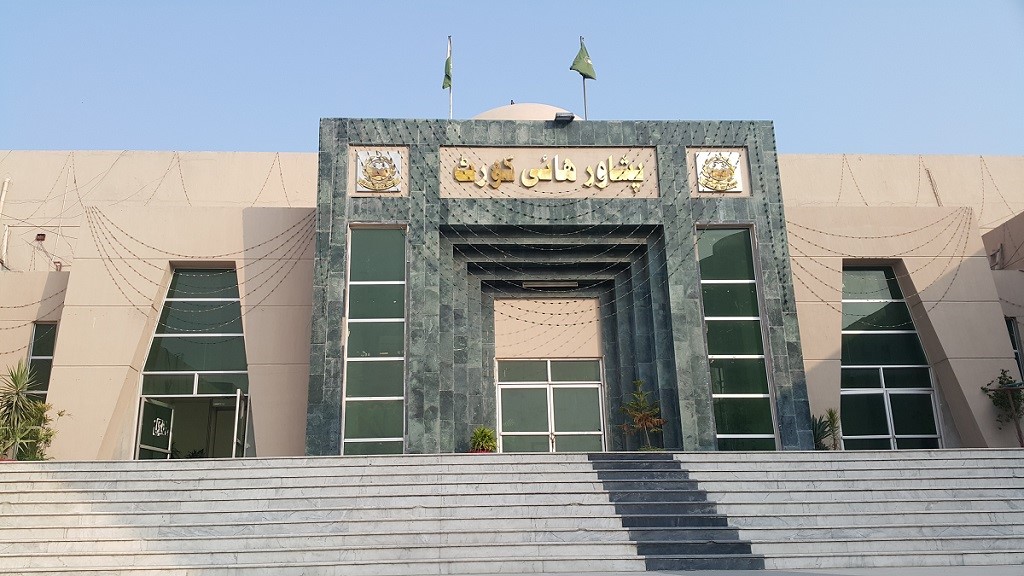
PESHAWAR: The Peshawar High Court (PHC) has ruled that it cannot interfere in government policy decisions as long as they remain within constitutional and legal limits, dismissing a set of petitions challenging the Khyber Pakhtunkhwa government’s move to outsource the management of 24 hospitals to private firms.
A bench comprising Justice Ijaz Anwar and Justice Farah Jamshed issued the 24-page detailed judgement, holding that superior courts in the country have consistently maintained that policymaking falls within the executive’s domain. The court said questions about whether the outsourcing would improve services or worsen the performance of the facilities were matters of governance for the provincial government to decide.
Referring to Supreme Court precedents, the bench held that constitutional courts exercising writ jurisdiction could not step into policy matters unless there was a breach of legal or constitutional boundaries. The judgement said the judiciary was responsible for ensuring legality, not for acting as a policymaker or deciding development priorities in place of the government.
The court also observed that policy formulation involves technical knowledge, resource allocation and complex administrative considerations. In the context of health services, it said courts lacked the relevant technical expertise, especially where health professionals had made recommendations, and that judicial intervention in such circumstances would not be appropriate.
Petitions against outsourcing rejected
The six petitions had been filed last year by several citizens and lawyers, including Jamal Nasir and Nauman Yousaf, against an advertisement issued by the Khyber Pakhtunkhwa Health Foundation (KPHF) for outsourcing 24 hospitals to the private sector.
In October last year, the court had ordered status quo, allowing the KPHF to continue the process initiated through the advertisement but restraining it from issuing any final order on the outsourcing of the hospitals.
The petitioners had asked the court to direct the provincial government and the KPHF to withdraw the expression of interest and cancel the outsourcing exercise, which they argued was being carried out under the cover of a public-private partnership. They had also sought orders for the hospitals to remain under the public healthcare system and for uninterrupted and free medical treatment to continue in line with constitutional obligations.
According to the petitioners’ lawyers, the KPHF managing director had published the advertisement on Sep 18, 2025, seeking provision of services at 24 health facilities across the province through a public-private partnership. They argued that if the plan was implemented, it would effectively privatise the hospitals, which were being run by the government and were serving poor and marginalised communities, thereby affecting the public’s access to affordable healthcare.
Court finds no violation of rights
The bench said it had found no violation of fundamental rights, no patent arbitrariness and no discrimination in the matter. On that basis, it concluded that the dispute concerned a policy decision of the provincial government and therefore did not warrant judicial interference.
Appearing for the respondents, including the Khyber Pakhtunkhwa Health Department, advocates Habib Anwar and Subaktageen Khan Chamkani told the court that the government had decided to outsource the management of underperforming hospitals to private companies in order to improve service delivery. They said patients would continue to receive free treatment at government rates.
The respondents’ lawyers also rejected the contention that the process amounted to privatisation. They maintained that the move involved only outsourcing of management, while ownership of the hospitals and oversight of their functioning would remain with the government through its health department.
0 Comments
No comments yet. Be the first to join the discussion!