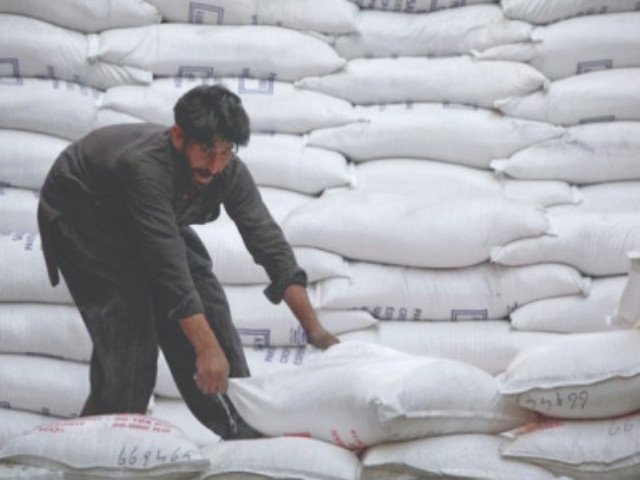
Sugar export request revives concerns over prices, market manipulation
A new request by sugar millers to export surplus stock has revived concerns over domestic prices after last year’s exports were followed by a sharp retail surge. Officials are reviewing the industry’s stock claims before a cabinet decision.

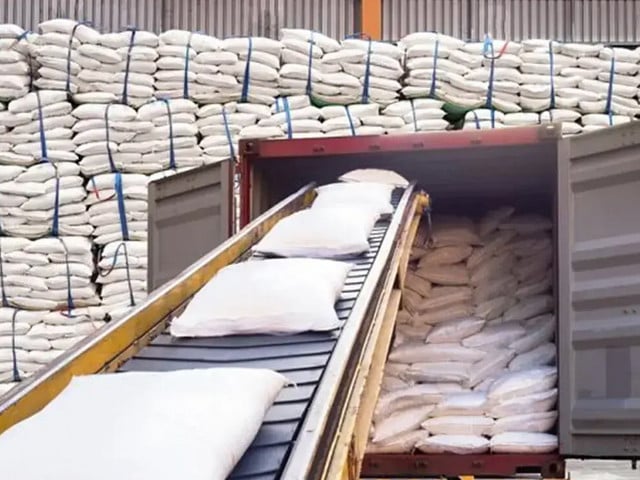
ISLAMABAD: A fresh request by the Pakistan Sugar Mills Association (PSMA) to allow sugar exports has reopened debate over domestic supplies, prices and the sector’s influence on policy, as officials review the industry’s claim that the country is holding a sizeable surplus.
According to the letter sent to Deputy Prime Minister Ishaq Dar on May 31, PSMA Chairman Chaudhry Zaka Ashraf said domestic sugar stocks total 7.9 million metric tons against annual consumption of 6.6 million tons, leaving a surplus of 1.3 million tons. He argued that mills are under financial strain, are unable to service bank loans and still owe growers payments. He also said exports could bring in nearly $500 million in foreign exchange.
The request has drawn scrutiny because a similar decision last year was followed by a sharp rise in retail prices. When sugar exports were allowed in 2024, retail rates rose from about Rs140 per kilogramme to Rs190 across the country, while in some markets prices briefly reached Rs210. The government later reversed course and announced plans to import 750,000 metric tons to stabilise availability, effectively buying sugar from international markets after allowing exports earlier.
People in the wholesale trade say export permissions quickly affect domestic supply. Ashraf Ali, who has worked in a sugar wholesale market for more than a decade, said mills tend to prioritise export allocations when international prices are more attractive, tightening local availability and pushing up retail prices.
"Local supply quietly tightens and stockists in the chain hold back what they have. Within a fortnight, the retailer has no choice but to charge more. And when the government panics and starts importing, some of the same people earn on the import side too. It is the same pocket, front and back,"His account aligns with findings cited from a Federal Investigation Agency inquiry ordered by the prime minister after a sudden jump in sugar prices. A subsequent high-profile inquiry into the 2025 price increase found that major sugar mill owners had colluded to create artificial shortages and drive up prices. Investigators also found fraudulent accounting and speculative hoarding, and identified several political heavyweights as beneficiaries. Despite that, the cartel structure largely remained in place and accountability was limited.
Industry influence and regulatory record
The report also highlighted the political reach of the sugar sector, noting that a small number of families tied to major political parties control a dominant share of Pakistan’s 91 operational mills. It named the Tareen group, the Zardari-linked Omni Group, mills associated with the Sharif family and others among the leading players.
Since 2003, Punjab has not issued new sugar mill licences, effectively preventing new entrants while existing operators expanded. The government’s previous effort to regulate exports through a formal arrangement with the PSMA also came under criticism. That agreement fixed the maximum ex-mill rate at Rs165 per kg, above the pre-export level of around Rs140, and also allowed monthly increases. Critics said that created a guaranteed price floor for millers and may have conflicted with Competition Commission rules against collective pricing.
The Competition Commission of Pakistan had at one stage scheduled hearings for more than 80 sugar mills over cartelisation allegations, though progress has been slow or nearly stalled. In 2021, the commission imposed a Rs44 billion penalty on the PSMA after an inquiry found sugar mills were prima facie involved in price fixing and controlling supply through coordinated conduct carried out through the association. That penalty, however, was largely offset by the Supreme Court and the matter remains unresolved.
Government reviewing stock claims
The mills are now pressing for another export window, this time claiming an even larger surplus. They have also warned that the next season could produce another record sugarcane crop, adding nearly 2 million tons of extra surplus valued at $1.5 billion to $2 billion. According to the industry’s position, failure to permit timely exports would hurt farmers by reducing mills’ ability to pay fair cane prices.
Government officials are not accepting the submitted figures without verification. An official of the Ministry of Commerce said authorities suspect around 300,000 tons of previously imported sugar may have been included in the stock data provided by the industry, which would significantly reduce the quantity actually available for export.
Ishaq Dar’s cabinet committee has not yet met to decide the matter. Its decision is expected to shape whether the government permits exports again despite concerns raised by the recent experience of price spikes, imports and repeated allegations of collusion in the sugar market.
Comments
No comments yet. Be the first to join the discussion!