

Police operations to be centralised under new security policy
The federal government has sought proposals from police departments for a new internal security policy for 2026-30. The plan under discussion includes centralised police operations, national crime data integration and stronger interprovincial intelligence-sharing.

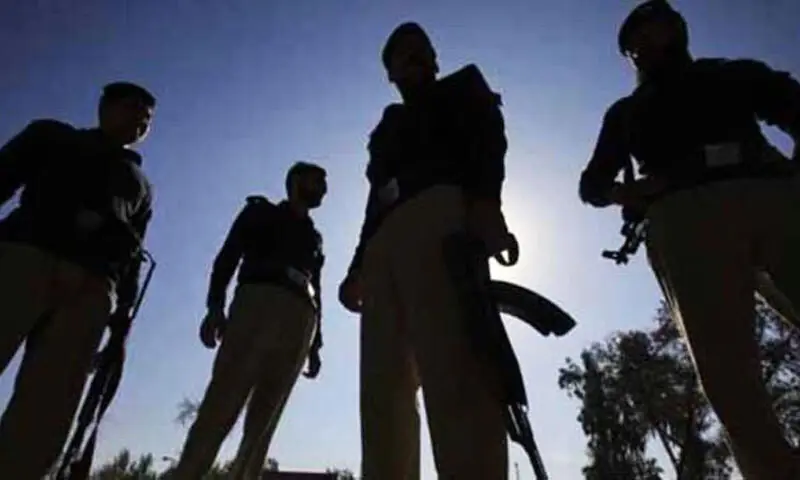
LAHORE: The federal government has asked police departments across the country to submit proposals for a new five-year internal security policy that is expected to focus on centralising police operations, improving intelligence-sharing between provinces, integrating crime data and curbing terror financing.
The proposed National Internal Security Policy 2026-30 is due to be taken up later this month at an extraordinary meeting of the National Police Management Board. The policy will incorporate input from all provincial inspectors general of police as well as the police heads of Azad Jammu and Kashmir and Gilgit-Baltistan.
The interior ministry has circulated a set of proposals to police chiefs along with the agenda for the meeting, which will be held under the National Police Bureau. The proposals were prepared with input from some retired and serving police officers. The bureau, headed by FIA Director General Dr Usman Anwar, is expected to take on an expanded role in shaping national police reforms and strategy.
The move comes in the context of Chief of Defence Force Field Marshal Asim Munir’s visit to the National Police Academy in January 2026, where he said that "a strong, professional, and people-centric police force" was essential for internal security and the rule of law. The security establishment had extended full support to civilian law enforcement agencies for what it described as showing no compromise in strengthening internal security.
Expanded role proposed for National Police Bureau
Among the proposals under consideration are the creation of a Counter-Terrorism Department in Gilgit-Baltistan, national-level integration of police data and centralisation of the International Driving Permit system.
Dr Usman Anwar, who will convene the upcoming meeting, said there was a "serious disconnect" among different civilian law-enforcement agencies and that several emerging policing challenges needed urgent attention.
He said: "It is a dire need of the time to establish a uniform mechanism across provinces and collaborate with international and domestic intelligence agencies to fight terrorism and choke terrorist financing,"
Dr Anwar said police heads had formally been asked to submit actionable points for inclusion in the meeting agenda, adding that the interior ministry had designated a BS-20 officer as focal person for coordination with the provinces.
He said the meeting would also examine functional specialisation, police welfare, transnational crime, criminal data integration, training needs assessment, women police networking, interprovincial intelligence-sharing and the development of a CTD in Gilgit-Baltistan.
Former officials suggest structural changes
Former National Police Bureau director general Tariq Khosa said the current National Security Policy would conclude in 2026 and proposed that recommendations be prepared for a new national internal security policy covering 2026-30.
He also suggested that the interior ministry notify a steering committee headed by the National Police Bureau to draft recommendations for standardising firearms legislation. Khosa further proposed the creation of a National Criminal Record Access System to integrate police data nationwide.
He said the National Police Bureau should function as a central police headquarters for the country, similar to the role of the army’s general headquarters, and called for sufficient annual budgetary allocations for the bureau along with a special allocation of Rs30 million.
A retired senior officer said long-standing weaknesses in police administration had exposed structural fault lines that were affecting the force’s overall performance. The officer said police capacity to deal with terrorism, insurgency and both conventional and emerging crimes was "dismal" and described the latest initiative by the National Police Bureau as a continuation of the policy framework of the hard state.
Comments
No comments yet. Be the first to join the discussion!


