April 28, 2026
Industry leaders call SBP move ill-timed, caution over slowdown in recovery
Business groups have opposed the SBP’s decision to raise the policy rate to 11.5%, calling it ill-timed and harmful to recovery. They say higher borrowing costs will hurt industry, exports and investment.

April 28, 2026
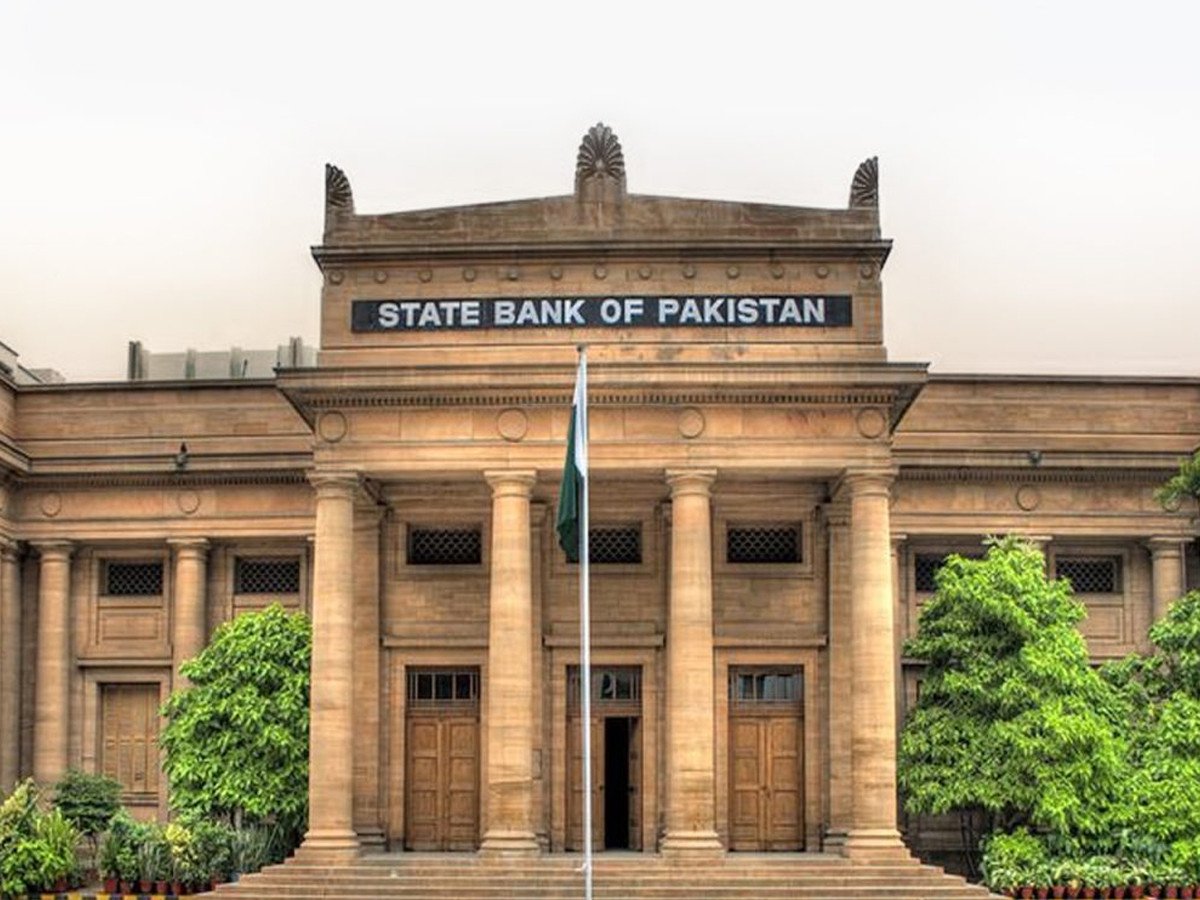
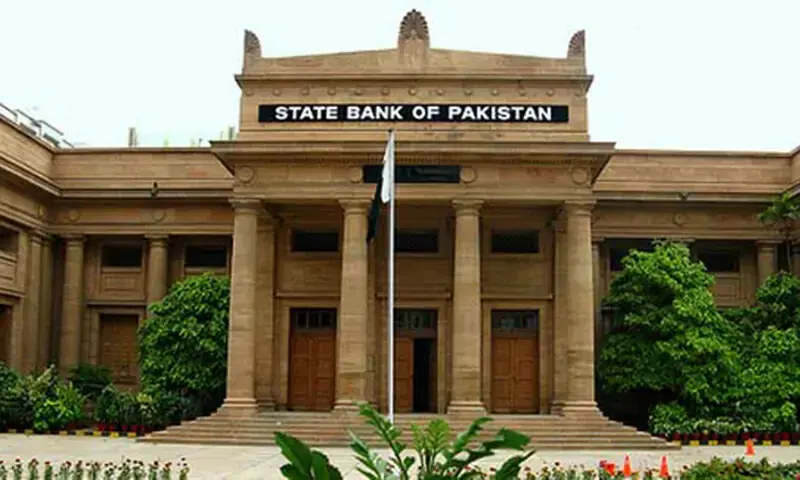
KARACHI: The business community has strongly criticised the State Bank of Pakistan’s (SBP) decision to raise the key policy rate by 100 basis points to 11.5%, terming it ill-timed and harmful for industrial recovery at a fragile stage of the economy.
Industry representatives said the move was unjustified as inflation was expected to remain within manageable levels. They argued that tightening monetary policy at this stage would increase the cost of doing business and slow down economic activity.
Karachi Chamber of Commerce and Industry (KCCI) President Muhammad Rehan Hanif expressed concern over the decision, saying inflationary pressures prior to recent geopolitical tensions were contained and did not warrant an increase in the policy rate. He said the business community had repeatedly called for a single-digit interest rate regime aligned with regional economies.
“There was ample room to maintain the status quo,” Hanif said, describing the hike as “imprudent and counterproductive.”
Federation of Pakistan Chambers of Commerce and Industry (FPCCI) President Atif Ikram Sheikh also rejected the decision, calling it “ill-timed and unfortunate” at a moment when the economy was showing early signs of recovery. He warned that continued monetary tightening could undermine industrial output, exports and job creation.
FPCCI Senior Vice President Saquib Fayyaz Magoon said higher borrowing costs would significantly increase production expenses, estimating that even a one percentage point rise in interest rates could push costs up by 2–4%.
He said exporters were already facing strong international competition and further increases in financing costs would weaken their competitiveness in global markets.
Industrial stakeholders said small and medium enterprises (SMEs) would be hit hardest, as they depend heavily on bank financing for operations and expansion. Magoon warned that tighter credit conditions could lead to defaults, closures and job losses in the sector.
Site Association of Industry President Abdul Rehman Fudda said businesses were already under pressure from high energy costs, taxation and weak demand. He said higher borrowing costs would further discourage investment and strain working capital cycles.
Korangi Association of Trade and Industry (KATI) President Muhammad Ikram Rajput said current inflationary pressures were largely driven by energy prices, taxes and global supply disruptions rather than demand-side factors. He said structural and administrative measures were needed instead of relying solely on monetary tightening.
Business leaders across the board argued that Pakistan’s high interest rate regime places it at a disadvantage compared to regional economies, where policy rates are significantly lower. They warned that persistently high borrowing costs could lead to de-industrialisation, reduced export competitiveness and weaker private sector investment.
0 Comments
No comments yet. Be the first to join the discussion!