New auto assemblers stay silent on localisation, vendors raise alarm
KARACHI: Auto vendors say new assemblers remain unclear about localisation plans as CKD and SKD imports rise sharply. Industry figures and experts have linked the trend to weak local parts demand and limited investment in supply chains.

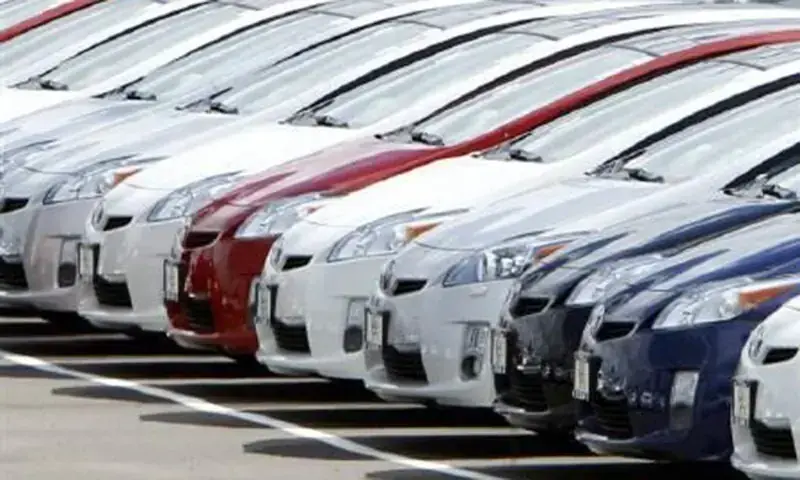
KARACHI: New auto assemblers in Pakistan are facing criticism for failing to disclose localisation levels in their vehicle assembly operations, as vendors warn of growing reliance on imported components and weak integration with the local industry.
With the current auto policy set to expire on June 30, industry stakeholders say new entrants have not provided any clear roadmap for increasing local assembly of parts. Vendors claim that, apart from limited arrangements with a few large suppliers, there is little evidence of meaningful localisation efforts.
Official data shows imports of semi- and completely knocked-down (SKD/CKD) kits surged 116 per cent year-on-year to $1.47 billion during the first nine months of FY26. Overall, the import bill for auto accessories has exceeded $6 billion since FY22, indicating continued dependence on foreign components.
Executives from newer entrants largely declined to share localisation data. However, a representative from Lucky Motor Corporation said some progress had been made, citing up to 35 per cent localisation in Kia Sportage and around 40 per cent in Picanto, with plans for gradual improvement.
Industry officials argue that localisation remains constrained by low production volumes, higher costs quoted by local vendors, and the need for significant investment in tooling. Assemblers have also reportedly accelerated imports ahead of the upcoming budget amid concerns over potential restrictions on foreign exchange.
Experts say the trend reflects a broader structural shift, with Pakistan’s auto sector increasingly moving toward an assembly-driven model rather than building a robust manufacturing base. Demand for hybrid and electric vehicles — estimated at 35,000 to 40,000 units annually — is largely being met through imported kits, limiting opportunities for local suppliers.
Auto sector analyst Mashood Ali Khan said new entrants have largely benefited from concessional policies while making limited investments in local supply chains. In some cases, he added, parts are imported under multiple classifications to reduce duties, undermining localisation goals.
As a result, small and medium-sized vendors are facing declining orders, reduced production, and limited technological growth.
With a new auto policy under consideration, industry stakeholders are calling for stricter enforcement of localisation targets, clearer definitions of CKD/SKD structures, and linking incentives to actual investment and technology transfer to prevent further erosion of the domestic manufacturing base.
Comments
No comments yet. Be the first to join the discussion!