April 23, 2026
Plastic product prices jump by 70pc amid raw material shortages
Plastic prices in Pakistan have surged as supply disruptions and higher petroleum-linked input costs hit the industry. Manufacturers say shortages of imported raw materials from the Middle East are driving up prices of everyday plastic goods.

April 23, 2026
ISLAMABAD: Prices of plastic goods in Pakistan have risen sharply in recent weeks as supply disruptions and fluctuations in petroleum-linked raw materials push up costs across a wide range of daily-use items.
According to industry representatives, the increase is being driven by shortages of plastic resin, a key raw material derived from petroleum, after import constraints linked to geopolitical tensions, including the ongoing illegitimate US-Israeli war against Iran.
Pakistan Plastic Manufacturers Association (PPMA) Chairman Syed Nabeel Hashmi said the local plastic industry relies heavily on imports from the Middle East and that unrest in the region has significantly disturbed supplies. "70% to 80% of raw materials come from Middle Eastern countries, which has badly affected the production of all plastic items," adding that the market was currently facing a severe shortage of raw materials.
Hashmi said the price of plastic raw materials had already gone up by 40% to 50%, while finished plastic products had become 60% to 70% more expensive because of higher petroleum tariffs and energy costs.
He further said that even if the regional conflict ends, the supply chain would still need at least six to eight months to return to normal. "Currently, there is a huge shortage of raw materials in the market," he added.
Sharp rise in resin and finished goods
Another industry representative said the price of a 25-kilogram bag of plastic resin had increased from around Rs9,000 to more than Rs18,000.
The price of 75-micron shopping bags has also doubled, rising from Rs450 to Rs900 per kilogram. Plastic sheet rolls used in the construction sector have similarly recorded a twofold increase in price.
Analysts noted that plastic is essentially a petroleum-based product, which means changes in international oil and gas prices directly influence the cost of plastic items.
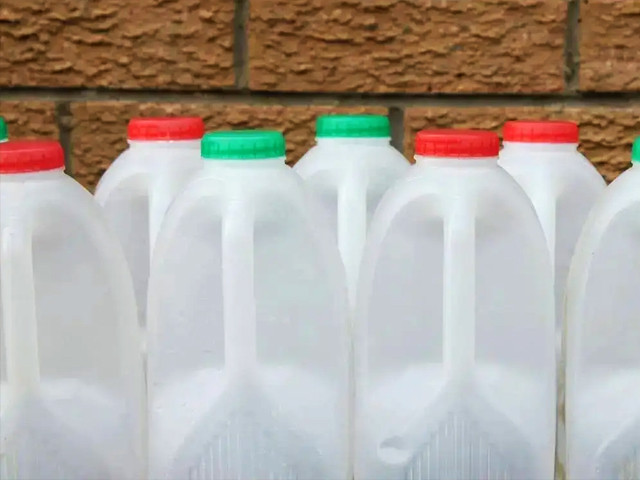
For consumers, the increase is affecting the prices of kitchenware, storage boxes, toys, packaging material, water bottles, buckets, plastic furniture and automobile spare parts.
Pressure on household budgets
The rise in plastic prices has come at a time when other essential items, including ghee and cooking oil, have also become more expensive, adding to pressure on household budgets.
Industry stakeholders warned that plastic prices may stay high unless import flows stabilise and the supply of raw materials improves.
As per details, manufacturers say the disruption in supplies from the Middle East and the rise in energy-related costs have combined to affect production across the sector, with the impact now visible in both wholesale and retail markets.
0 Comments
No comments yet. Be the first to join the discussion!