Baisakhi celebrations highlight faith, harvest and shared heritage in Pakistan
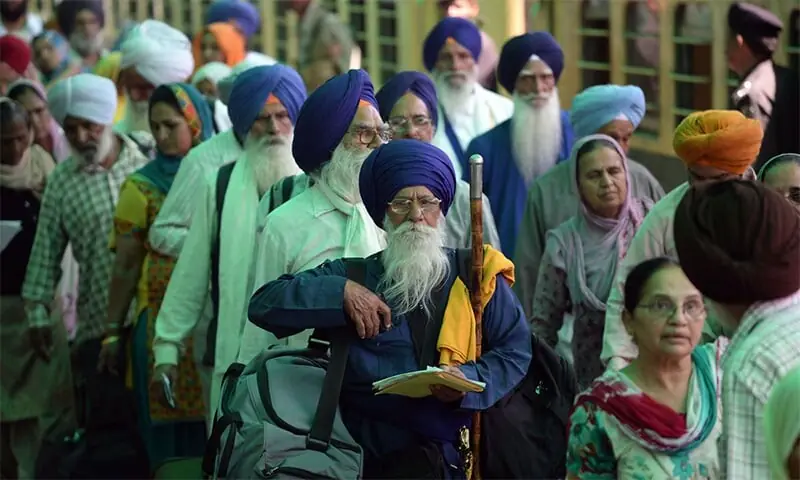
Baisakhi celebrations in Pakistan highlighted the festival’s religious and agricultural significance, as well as the country’s cultural diversity. More than 2,200 Sikh pilgrims returned to India after a 10-day visit, describing their stay as memorable.

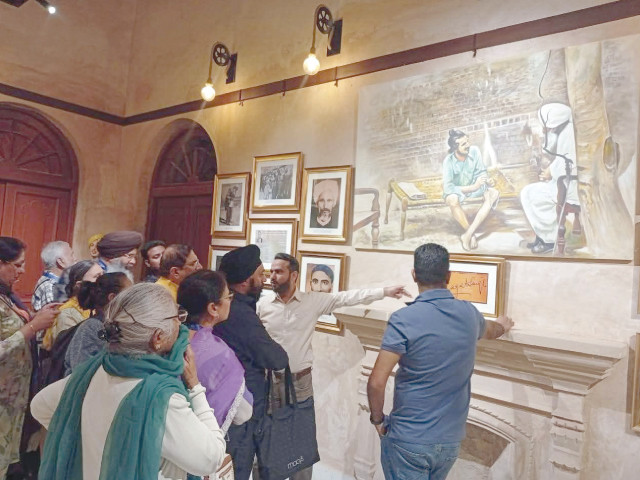
ISLAMABAD: As Baisakhi celebrations concluded, the festival once again highlighted its continuing cultural importance in Pakistan, bringing together religious observance, harvest traditions and shared social values.
Observed as a spring harvest festival, Baisakhi marks the start of the new year and celebrates the outcome of months of work by farmers. It also carries deep religious significance for the Sikh community, as it commemorates the foundation of the Khalsa in 1699. This dual identity, rooted in both spirituality and the agricultural cycle, remains central to the festival’s place in Punjab’s historical and cultural landscape.
Official messages stress cultural and religious significance
In their messages on the occasion, President Asif Ali Zardari and Prime Minister Shehbaz Sharif said Baisakhi was not only a religious observance but also a traditional harvest celebration. They described it as a significant religious and cultural milestone, linking it with the beginning of the Rabi harvest and reiterating the state’s commitment to equality and protection for all communities.
The occasion also served as a reminder of Pakistan’s cultural diversity. The festival was presented as part of the country’s vibrant and multi-dimensional traditions, with respect for religious observances seen as an important element in promoting interfaith harmony.
Sikh pilgrims return after 10-day visit
The participation of Sikh pilgrims from India further underscored the message of shared heritage and cultural links across borders. After completing their 10-day stay in Pakistan for Baisakhi, more than 2,200 pilgrims returned through the Wagah border.
Many of the pilgrims described their visit as memorable and said they experienced hospitality, respect and freedom in performing their religious rituals during their stay.
Attention drawn to women’s role in rural life
Baisakhi also brought focus to the human side of rural life and the agricultural season. First Lady Aseefa Bhutto Zardari highlighted the contributions of women in farming communities, saying their work during the harvest period often goes unnoticed.
She described their role as one marked by quiet resilience and devotion, noting that women move between fields and homes while helping sustain both family life and livelihoods. She said this strength is rarely acknowledged, despite being deeply tied to the spirit of the celebration.
At its heart, Baisakhi remains a festival of gratitude — to the land, to labour and to the social bonds that connect communities. Whether marked through prayer, harvest customs or communal gatherings, the festival continues to reflect shared joy and collective identity.
As pilgrims departed carrying messages of peace and goodwill, the festival’s cultural significance remained evident, grounded in tradition while continuing to resonate beyond borders.
Comments
No comments yet. Be the first to join the discussion!