

Govt permits cottonseed imports on trial basis with conditions
The government has allowed hybrid cottonseed imports on a trial basis, requiring two years of testing and certification before commercial imports can begin. Industry stakeholders say the delayed SOPs mean the move is unlikely to help farmers in the current sowing season.

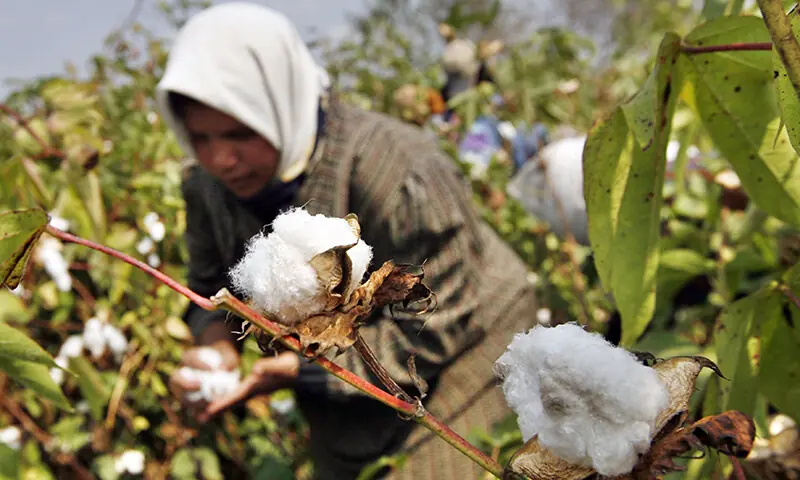
LAHORE: The government has allowed the import of hybrid cottonseed, but only under a conditional trial framework that requires two years of successful cultivation in different cotton-growing zones before commercial imports can be approved.
The decision, awaited for years, has been accompanied by concerns over the delayed release of standard operating procedures, with stakeholders saying the move is unlikely to benefit farmers during the current sowing season as planting has already been completed in many areas or is close to completion.
Under the newly issued SOPs, imported hybrid cottonseed will be brought in strictly on a trial basis. The seed will have to undergo testing in multiple regions under official supervision, and only after two years of satisfactory performance and certification by the relevant authorities will it become eligible for commercial import.
The evaluation process will cover fibre length, fibre strength and overall quality, as well as resistance to cotton leaf curl virus, extreme temperatures, water stress and other diseases, according to the SOPs.
The policy also limits participation to registered seed companies and cotton research stations for both production and import. Individuals and unauthorised entities have been excluded from the process.
Concerns over timing
The approval for cottonseed imports followed repeated demands from some quarters, who argued that yields per acre from locally developed seed had been declining. However, the late issuance of procedures has, according to industry stakeholders, deprived growers of any immediate advantage in the ongoing crop cycle.
Cotton Ginners Forum Chairman Ihsanul Haq said the core problem facing the cotton sector was not limited to seed quality. He said the unchecked spread of sugarcane cultivation in traditional cotton areas had changed the microclimate by raising humidity levels and creating conditions favourable for viral diseases that harm cotton crops.
He said parts of Balochistan, Sindh and Cholistan, where sugarcane cultivation remains limited, were still producing better-quality cotton with locally developed seed. According to him, cotton from these areas fetches premium prices because of stronger yields and better fibre quality.
Call for structural reforms
Mr Haq called for strict implementation of crop zoning laws, including a ban on sugarcane cultivation and the expansion of sugar mills in designated cotton-growing areas, saying such steps were necessary for a sustainable revival of the sector.
He cited Rahim Yar Khan, once Pakistan’s largest cotton-producing district, as an example of policy failure. He said the spread of sugar mills in the district along the Sindh-Punjab border had caused cotton acreage there to fall sharply from around 800,000 acres to nearly one-quarter of that level.
Questioning how effective the import policy could be under existing conditions, Mr Haq said hybrid cotton had not yet delivered consistent success globally. "With the sowing window closing, the delay in SOPs has cost the sector another critical season," he said, while urging the government to focus on timely policymaking along with broader structural reforms.
He added that if crop zoning was properly enforced and supportive policies were put in place, Pakistan could raise its cotton production to 15 million bales.
Comments
No comments yet. Be the first to join the discussion!


