Sindh CM secures transporters’ nod to freeze fares, shield commuters from soaring fuel costs
Sindh CM Murad Ali Shah freezes inter-city and intra-city transport fares at Feb 28, 2026 levels after transporters’ agreement. Subsidies worth Rs3–4 billion protect commuters from fuel-cost hikes.

Inter-city and intra-city transport fares frozen at Feb 28, 2026 rates after successful talks with transporters
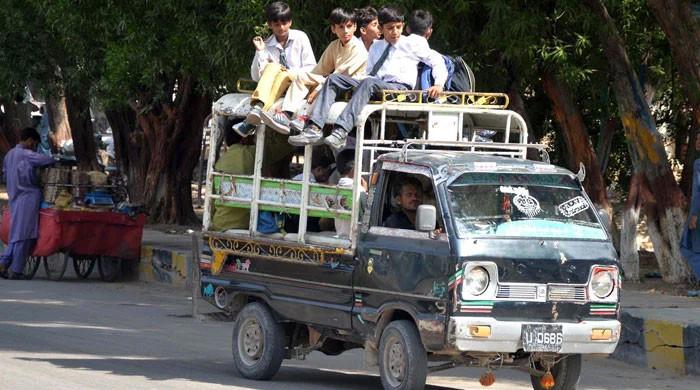
Murad Ali Shah says Over 11,000 buses, goods vehicles, and school vans covered under subsidy framework
Says provincial support of Rs3–4 billion to ensure fare stability without burdening passengers
Says additional relief measures planned for farmers and essential food items to ease public hardship
Transporters pledge responsibility to pass relief to citizens amid rising global oil prices
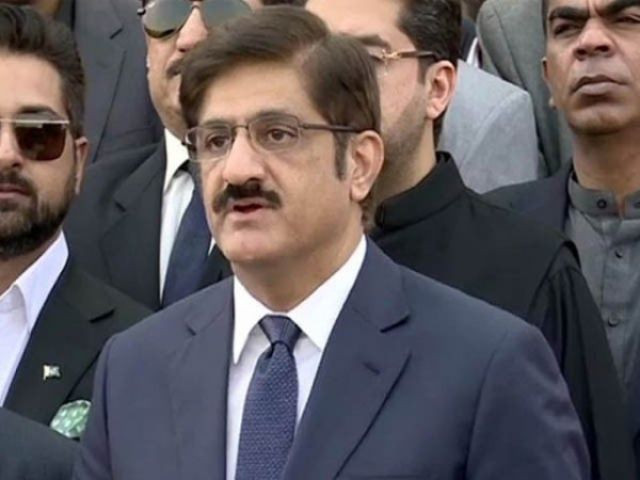
KARACHI: Sindh Chief Minister Murad Ali Shah on Sunday announced a province-wide fare freeze after successful negotiations with transporters, underlining the government’s commitment to protect citizens — especially low-income commuters — from rising transportation costs amid global fuel price hikes.
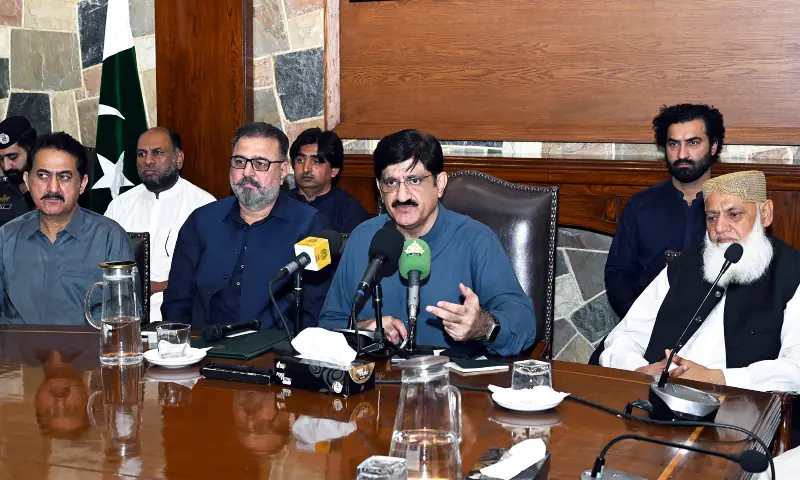
Addressing a press conference at the Chief Minister’s House, CM Murad said transporters operating both inter-city and intra-city routes had agreed to maintain fares at the Feb 28, 2026 rates, following a series of consultations.
Sindh Chief Minister Syed Murad Ali Shah on Sunday announced a major relief initiative for the public, securing a province-wide fare freeze after successful negotiations with transporters, alongside a targeted subsidy programme to offset the impact of soaring fuel prices. pic.twitter.com/KWvIwE5ba5
— Sindh Chief Minister House (@SindhCMHouse) April 5, 2026
The decision comes as provinces respond to global oil price increases with relief measures for the public. In Sindh and Punjab, these include subsidies for motorcyclists, transporters, and small-scale farmers.
Flanked by provincial ministers, transporters’ representatives, and top government officials, the CM was joined via video link by divisional commissioners and regional transport authorities.
The chief minister said the government had worked out a comprehensive strategy to protect citizens - particularly low-income commuters - from rising transportation costs triggered by global fuel price increases. pic.twitter.com/pBYa05WHA8
— Sindh Chief Minister House (@SindhCMHouse) April 5, 2026
“I am thankful to the transporters for supporting the government’s relief efforts in the national interest,” a CM House press release quoted Murad as saying. “Despite rising operational costs, they have shown responsibility by agreeing to pass on relief to the public.”
Transporters’ representatives, including Karachi Transport Ittehad leader Haji Tawab and inter-city operator Shabar Malik, reaffirmed their commitment, stating that maintaining fares was a collective decision to support citizens during difficult economic conditions.
CM Murad said the Sindh government will provide financial support to transporters based on route permits to offset increased fuel costs. The subsidies, combining federal and provincial support, will allow operators to continue running services without passing extra costs to passengers.
CM @MuradAliShahPPP secures Sindh-wide fare freeze after talks with transporters
•Fares to remain at Feb 28 levels
•Govt to bear Rs3–4bn subsidy
•Relief given to buses, goods transport & school vans
•No fare hike despite fuel surge
CM protects commuters. pic.twitter.com/k5AdRCz5x5— Sindh Chief Minister House (@SindhCMHouse) April 5, 2026
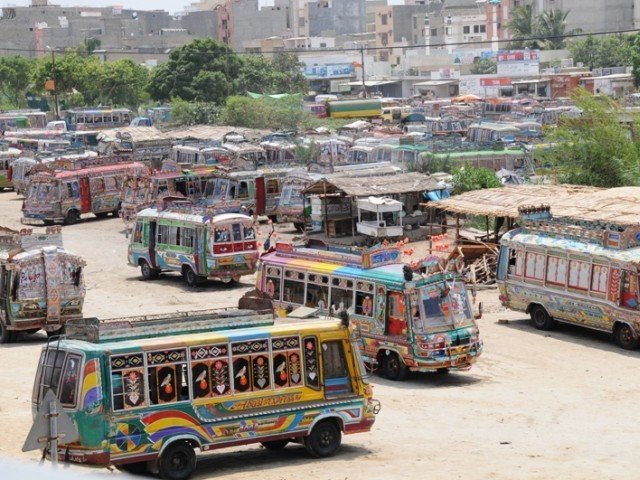
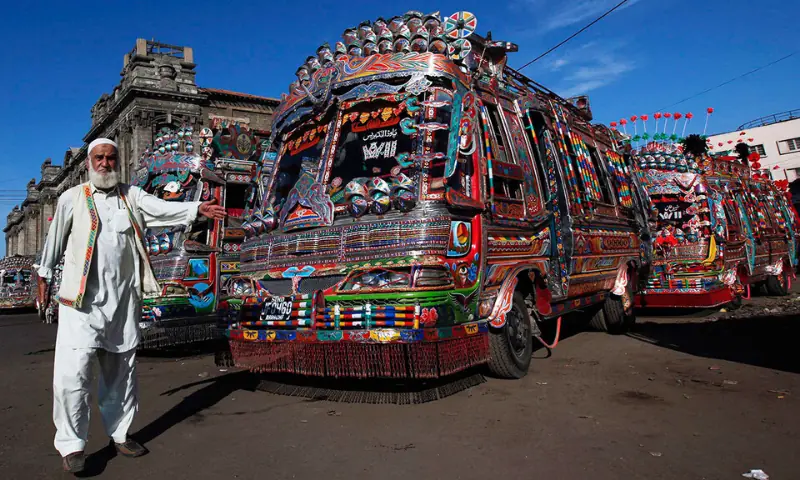
“Over 11,000 buses operate in Sindh,” the CM said. “Maintaining fares through subsidies is expected to cost the provincial government approximately Rs3–4 billion. The package also extends to goods transport vehicles, school vans, and public transport operators.”
Murad noted that while Punjab and Islamabad had opted to make public buses free, Sindh chose a broader fare freeze to benefit a larger segment of society. He said the initiative is part of a coordinated national response, with provinces sharing the burden of fuel subsidies for a limited period.
The Sindh government will contribute around Rs14 billion towards the overall subsidy framework, while implementing additional targeted interventions for transporters, farmers, and consumers, estimated to cost an extra Rs3–4 billion.
“It is a major achievement that despite challenging circumstances, fuel supply remains stable,” Murad highlighted. He added that additional targeted subsidies are being planned to help citizens purchase essential food items at affordable rates.
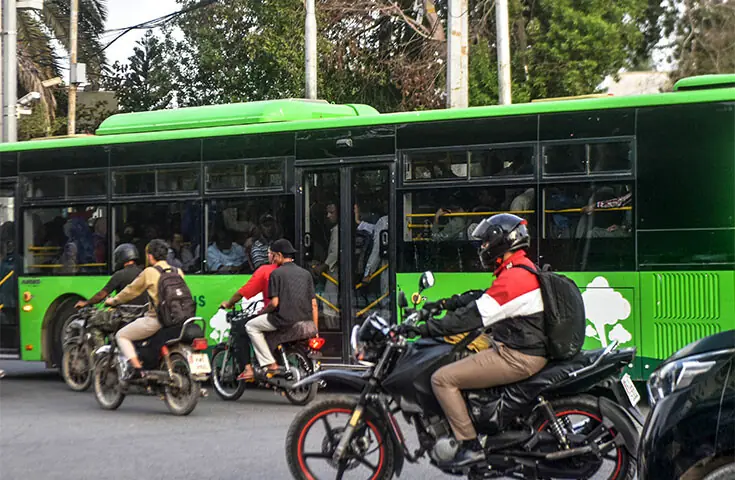
On Friday, Sindh had announced Rs2,000 monthly fuel support for motorcyclists, alongside support for small-scale farmers and transporters. Punjab is making public transport free, offering targeted monthly subsidies for transporters, a diesel subsidy for wheat farmers, and a fuel subsidy for motorcyclists. Balochistan is providing free Green and Pink bus services in Quetta and other areas for one month.
Comments
No comments yet. Be the first to join the discussion!