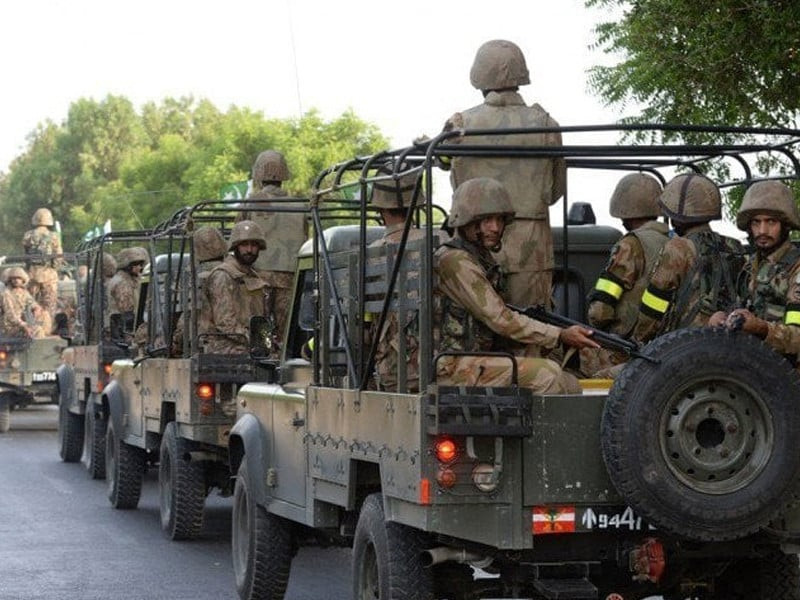
Deadlier Threat, Fewer Deaths: Operation Ghazab lil-Haq slashes fatalities by 35% amid militant surge
Operation Ghazab lil-Haq has resulted in a significant 35% decline in combat-related fatalities in Pakistan, despite a rise in militant attacks. This report highlights key findings.

-- Fatalities drop sharply nationwide as security gains offset rising low-intensity attacks, says think tank report
ISLAMABAD: A notable decline of 35 per cent in combat-related fatalities was recorded across Pakistan in March, coinciding with the launch of Operation Ghazab lil-Haq, according to fresh data released by the Pakistan Institute for Conflict and Security Studies.
The report revealed that 331 people were killed during the month, a sharp drop from 506 fatalities recorded in February. Analysts attributed this reduction to the impact of Pakistan’s cross-border strikes targeting militant hideouts in Afghanistan.
Despite an increase in the number of militant attacks, the overall lethality of such incidents declined. The think tank noted a visible drop in high-profile attacks, suggesting that militant capabilities may have been disrupted.
“The timing suggests these operations may have contributed to reducing the intensity of attacks,” the report observed.
However, in response to the military operation, groups including Tehreek-i-Taliban Pakistan, Jamaatul Ahrar, and Ittihadul Mujahideen announced an escalation in their activities against Pakistan. Despite this, the impact remained comparatively limited, as reflected in the declining casualty figures.
Civilian fatalities saw the most dramatic reduction, falling by 70 per cent from 132 in February to just 39 in March. Fatalities among security forces dropped by 26 per cent, from 80 to 59, while militant deaths also decreased by 22 per cent, from 294 to 228.
Overall injuries also declined significantly, falling by 37 per cent from 333 to 210. Civilian injuries recorded the sharpest drop, decreasing by 62 per cent, while injuries among security personnel saw only a slight dip. In contrast, militant injuries surged, indicating increased engagement during operations.
The report also highlighted a shift in militant tactics. While large-scale attacks declined, there was a rise in low-intensity operations. The number of militant attacks increased to 146 in March from 83 in February, even as suicide bombings dropped sharply from five to just one.
Security forces arrested 41 suspected militants during the month, while militants abducted 19 individuals. There was also a worrying rise in attacks on pro-government peace committee members, suggesting a shift towards softer targets.
Regionally, Balochistan recorded the highest number of fatalities, though deaths dropped significantly from 285 in February to 189 in March. Civilian deaths in the province saw a steep decline, while militant and security forces’ casualties also decreased.
In the merged districts of Khyber Pakhtunkhwa (erstwhile Fata), fatalities fell by 42 per cent, although injuries rose sharply. The only suicide attack of the month was reported from this region.
Mainland KP witnessed relatively stable fatality figures, though injuries dropped significantly. However, attacks on peace committee members increased, underscoring evolving militant strategies.
Punjab and Sindh reported no militant attacks during March, though security operations continued, resulting in arrests and the killing of a few militants. In Gilgit-Baltistan, an attempted attack on a security post near the Diamer-Bhasha Dam was successfully foiled without casualties.
Despite the recent improvement, the broader security outlook remains concerning. Pakistan ranked first on the Global Terrorism Index in 2025, recording 1,139 terrorism-related deaths—a six per cent increase compared to the previous year, marking the sixth consecutive annual rise.
While the March data signals a temporary reduction in violence, analysts warn that the increase in attack frequency and evolving militant tactics continue to pose a serious challenge to long-term stability.
Comments
No comments yet. Be the first to join the discussion!