China, Hong Kong stocks tumble as escalating Iran conflict rattles global markets
China and Hong Kong stocks fell sharply as the escalating Iran conflict rattled global markets, with analysts noting the impact on China hinges on demand and supply dynamics outside the country.

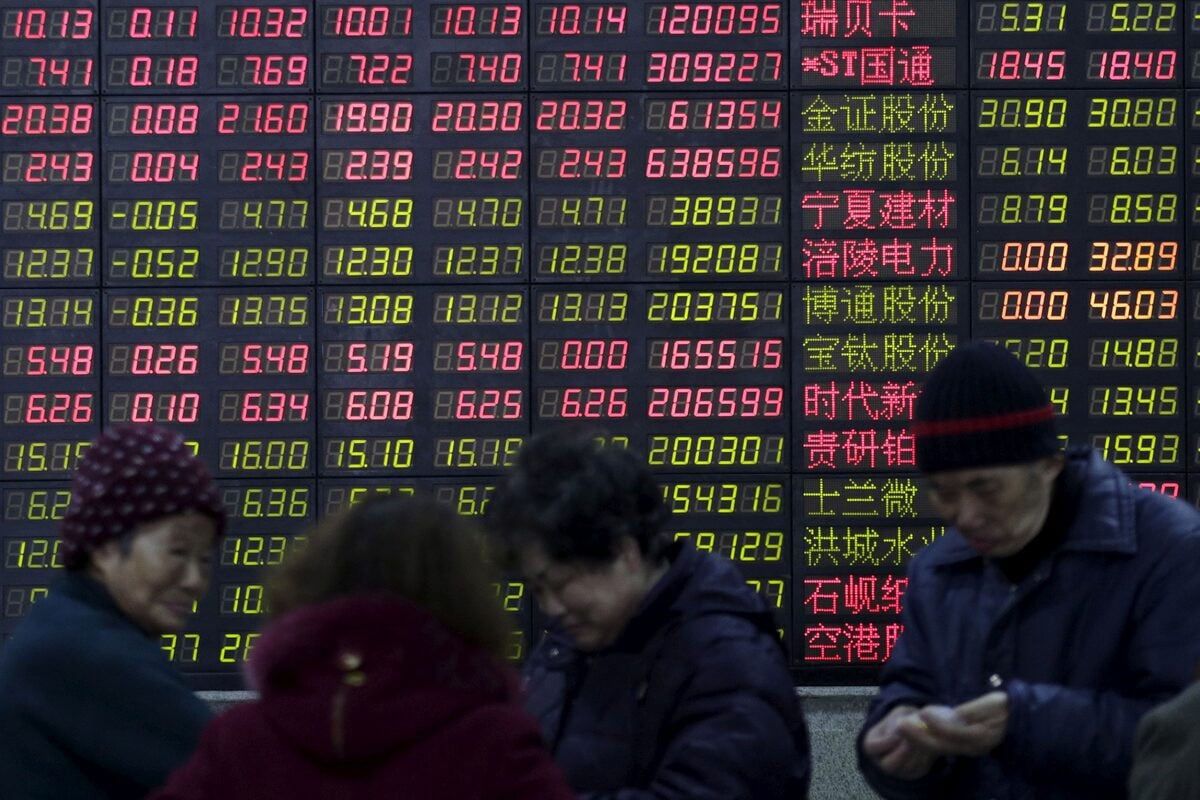
BEIJING: Stock markets in China and Hong Kong experienced sharp declines as an escalating conflict involving Iran sent shockwaves through global financial markets, unsettling investors and raising concerns about broader economic repercussions.
Market turmoil amid geopolitical tensions
Equities in both mainland China and Hong Kong fell significantly as the intensifying situation involving Iran heightened uncertainty across global markets. The sell-off reflected growing investor anxiety over the potential disruption to international trade and energy supplies stemming from the conflict.
Analysts pointed out that the fallout for Chinese markets is particularly tied to how the geopolitical developments affect both global demand and supply dynamics. As one assessment noted, "For China, the impact hinges on both the demand and supply situation outside of China."
Implications for China's economy
The market downturn underscored the vulnerability of Chinese and Hong Kong equities to external geopolitical shocks. With China being a major player in global trade and a significant consumer of energy imports, any disruption caused by the Iran conflict could have far-reaching consequences for the country's economic outlook.
The war-related jitters added to the existing pressures already weighing on Chinese markets, compounding investor concerns about the broader trajectory of the world's second-largest economy. The sell-off in Hong Kong, a key financial hub with close ties to mainland markets, mirrored the pessimism seen in Shanghai and Shenzhen exchanges.
Global market sentiment under pressure
The decline in Chinese and Hong Kong stocks was part of a wider pattern of risk aversion gripping financial markets worldwide. The escalation of hostilities involving Iran has prompted investors to reassess their exposure to riskier assets, with equities bearing the brunt of the negative sentiment.
Market watchers noted that the extent of the damage to Chinese equities would depend on how the conflict unfolds and its impact on global supply chains and commodity prices. The situation remains fluid, with traders closely monitoring developments for any signs of further escalation or potential de-escalation efforts.
The market reaction highlighted the interconnected nature of global financial systems, where geopolitical events in one region can rapidly transmit volatility across continents, affecting economies and markets far removed from the immediate conflict zone.
Comments
No comments yet. Be the first to join the discussion!