Iran seeks compensation from UAE over US strikes launched from its territory
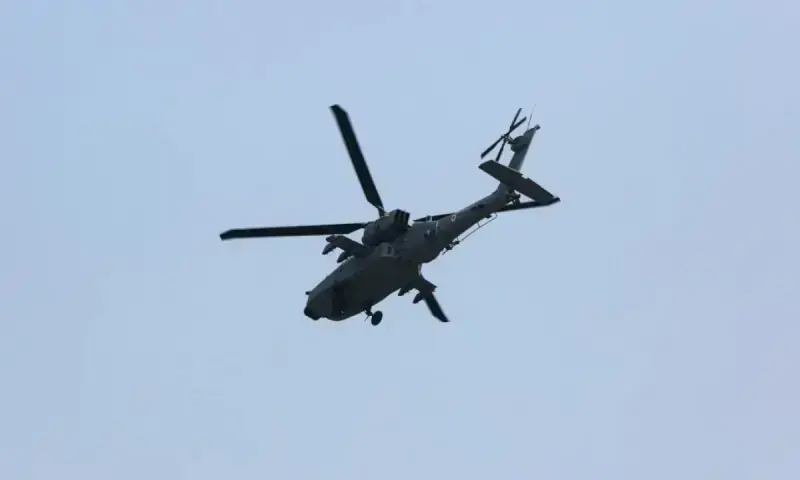
Iran has demanded compensation from the UAE, holding Abu Dhabi internationally responsible for US military strikes on Iranian territory launched from UAE soil.

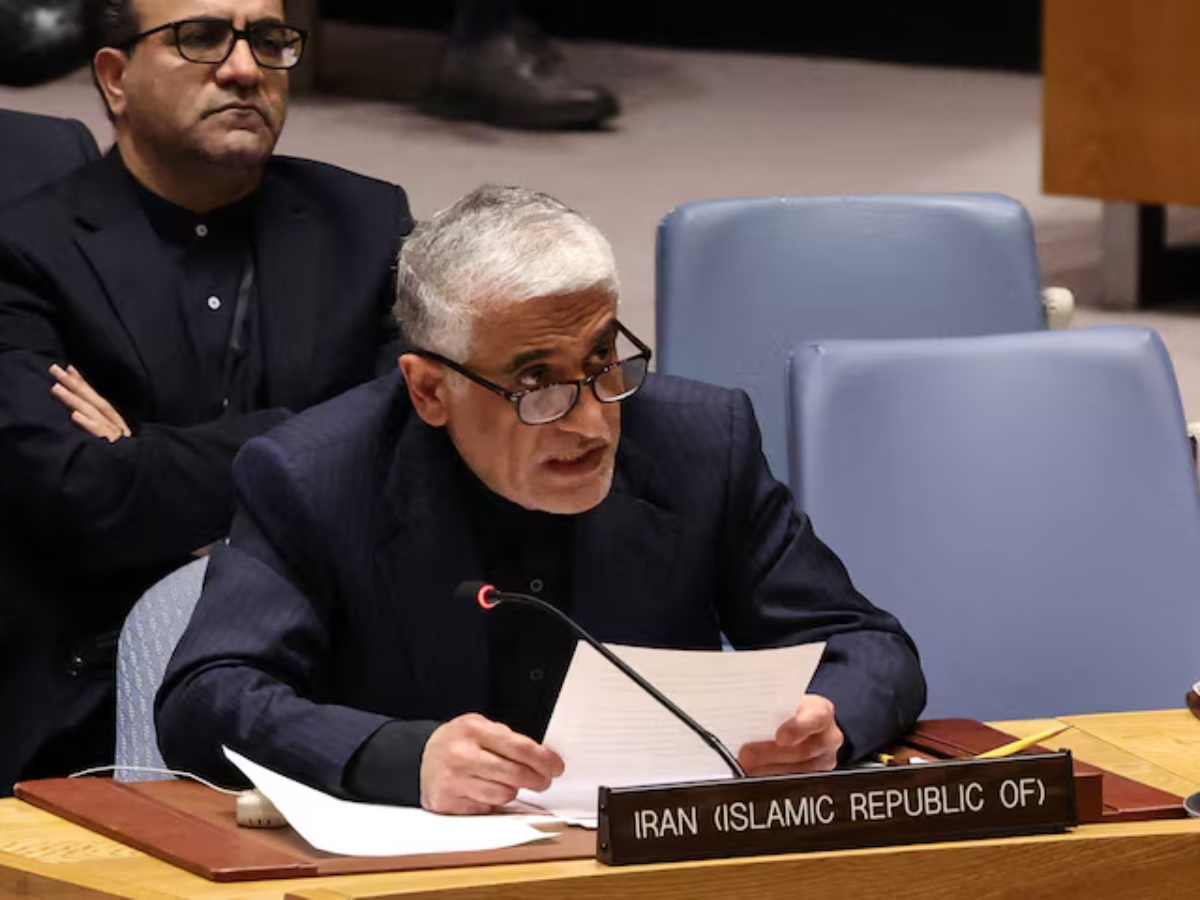
TEHRAN: Iran has demanded compensation from the United Arab Emirates (UAE) over US military strikes on Iranian territory that were launched from UAE soil, holding Abu Dhabi internationally responsible for the attacks.
Tehran has asserted that the UAE bears international responsibility to provide reparation, including compensation for all material and moral damages caused by the strikes. The demand marks a significant diplomatic escalation between the two neighbouring countries in the Persian Gulf region.
Iran holds UAE responsible
Iran's position is based on the argument that the UAE allowed its territory to be used as a launchpad for the US military operations targeting Iranian soil. By permitting such use of its land, Tehran contends, the UAE has assumed direct responsibility under international law for the resulting damages.
The Iranian demand for reparations covers a broad scope, encompassing both material losses — such as destruction of infrastructure and property — as well as moral damages suffered as a consequence of the strikes.
Diplomatic tensions escalate
The compensation demand is likely to further strain relations between Iran and the UAE, which have historically navigated a complex diplomatic relationship shaped by regional rivalries, competing strategic interests, and differing alliances with global powers.
The UAE hosts several US military installations on its territory, including Al Dhafra Air Base, which has long served as a key hub for American military operations in the Middle East. The presence of these facilities has been a point of contention for Iran, which views them as a direct security threat.
Iran's formal call for compensation signals that Tehran intends to pursue the matter through diplomatic and potentially legal channels, framing the issue as one of state responsibility under international law. The demand places the UAE in a difficult position as it balances its strategic partnership with the United States against its diplomatic relations with its regional neighbour.
The UAE has not yet publicly responded to Iran's compensation demand. The development comes amid heightened tensions in the broader Middle East region, with multiple flashpoints testing diplomatic relationships between nations.
The outcome of this dispute could have far-reaching implications for the security architecture of the Persian Gulf, particularly regarding the use of host nation territories for military operations by foreign powers and the resulting legal and diplomatic consequences.
Comments
No comments yet. Be the first to join the discussion!