

Supreme Court acquits four convicts on death row, cites 'material inconsistencies' in evidence
The Supreme Court acquitted four death row convicts after identifying 'material inconsistencies' in the prosecution's evidence, overturning their capital punishment sentences.

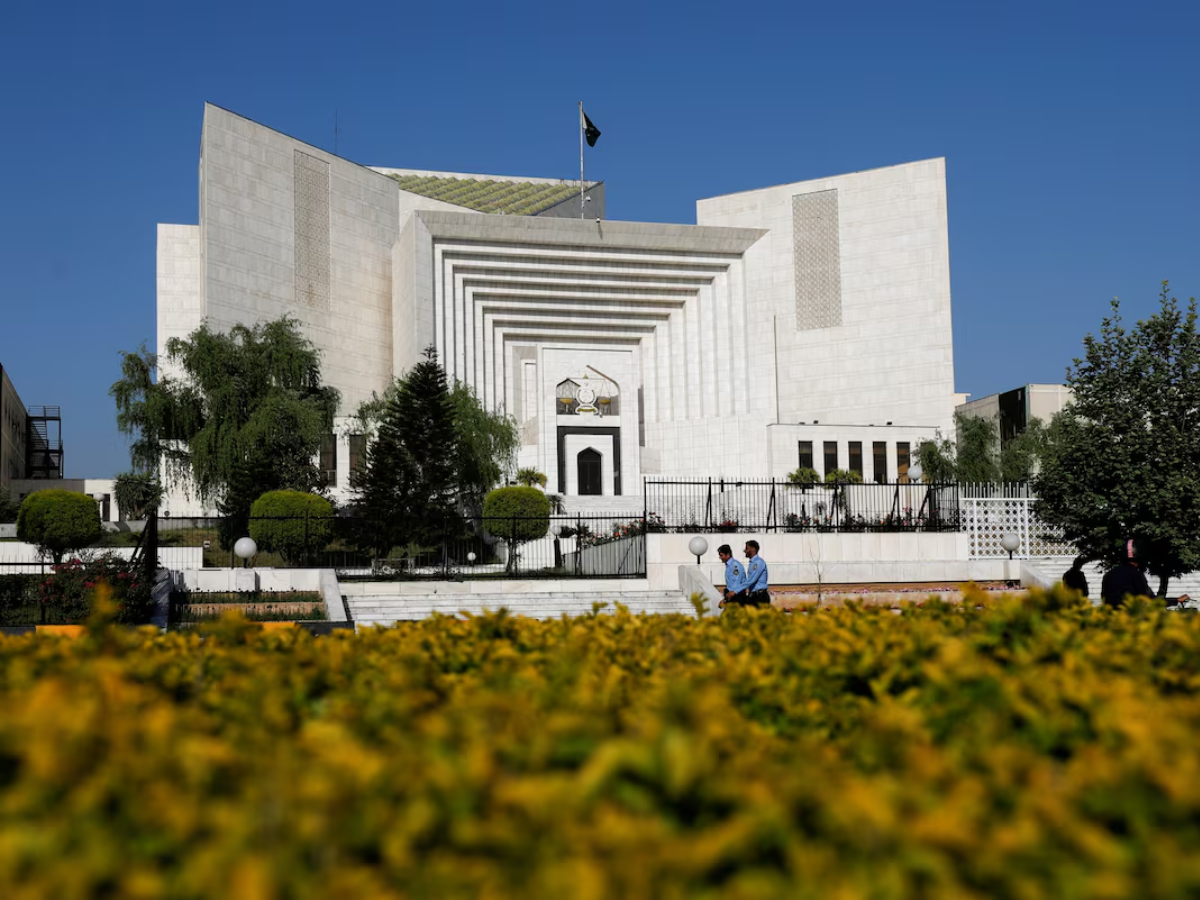
ISLAMABAD: The Supreme Court of Pakistan has acquitted four convicts who were on death row after finding "material inconsistencies" in the prosecution's evidence presented against them.
Court finds prosecution evidence flawed
The apex court, after examining the case in detail, identified significant gaps and contradictions in the evidence put forward by the prosecution. The court determined that the evidence suffered from "material inconsistencies," which ultimately led to the acquittal of all four individuals who had been sentenced to death by lower courts.
The Supreme Court's decision to overturn the death sentences marks a significant development, as the four convicts had been awaiting execution following their conviction in the earlier proceedings. The ruling underscores the judiciary's role in scrutinising the quality of evidence before upholding capital punishment.
Acquittal based on evidentiary shortcomings
The Supreme Court's verdict highlighted that the prosecution had failed to present a coherent and consistent case against the accused. The inconsistencies found in the evidence were deemed material enough to cast doubt on the guilt of the convicts, warranting their acquittal rather than continued incarceration on death row.
Capital punishment cases in Pakistan undergo rigorous judicial review, with higher courts frequently re-examining the evidence and proceedings of trial courts. The Supreme Court, as the highest appellate forum in the country, serves as the final arbiter in such matters and has in the past overturned death sentences where the prosecution's case was found to be lacking in substance or consistency.
The acquittal of the four convicts is expected to bring relief to their families, who had been facing the prospect of losing their loved ones to the gallows. The ruling also reinforces the principle that the burden of proof in criminal cases, particularly those involving the death penalty, rests squarely on the prosecution, and any material shortcomings in the evidence can lead to the reversal of convictions.
Pakistan's legal system allows for multiple tiers of appeal in capital cases, with convicts having the right to challenge their sentences at the high court and subsequently at the Supreme Court level. The process is designed to ensure that no individual is subjected to the ultimate penalty without thorough judicial examination of the evidence and legal proceedings.
Comments
No comments yet. Be the first to join the discussion!


