

Belgian diplomat ordered to stand trial over 1961 murder of Congo leader Patrice Lumumba
A Belgian court has ordered a former diplomat to stand trial for his alleged role in the 1961 assassination of Congolese independence leader Patrice Lumumba.

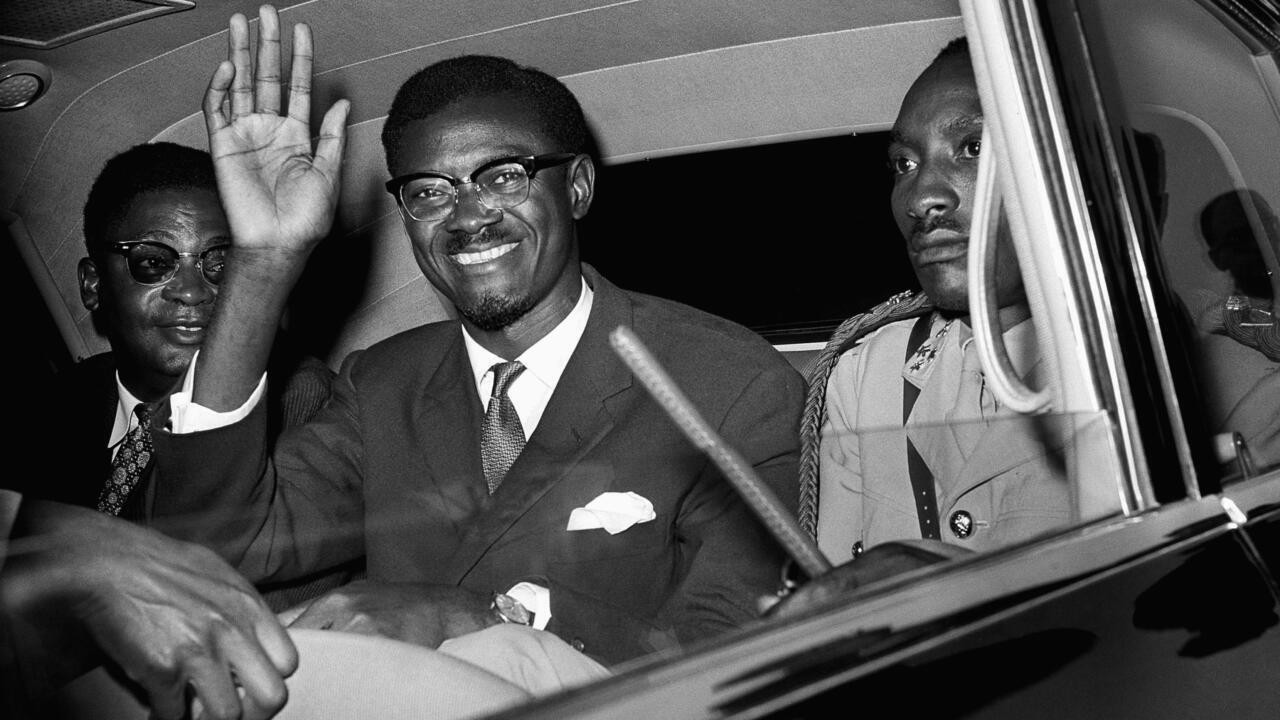
BRUSSELS: A Belgian diplomat has been ordered to stand trial in connection with the 1961 assassination of Congolese independence leader Patrice Lumumba, marking a significant legal development in one of Africa's most consequential Cold War-era political killings.
Court orders trial for Belgian diplomat
A Belgian court has ruled that a former Belgian diplomat must face trial for his alleged role in the murder of Patrice Lumumba, the first democratically elected prime minister of the Democratic Republic of Congo, who was killed in January 1961. The decision represents a rare instance of judicial accountability being pursued decades after the events surrounding Lumumba's death.
Lumumba, who became the newly independent Congo's first prime minister in 1960, was deposed in a coup shortly after taking office. He was subsequently arrested, tortured, and executed on January 17, 1961, in the Katanga province, in a plot that has long been linked to Belgian interests and Cold War geopolitics.
Belgium's role in Lumumba's assassination
Belgium's involvement in the assassination of Lumumba has been a subject of historical scrutiny and diplomatic tension for decades. The former colonial power has previously acknowledged its "moral responsibility" in the events leading to Lumumba's death. A Belgian parliamentary inquiry conducted in the early 2000s found that Belgian officials had played a role in the circumstances surrounding the Congolese leader's killing.
The order for the diplomat to stand trial adds a new judicial dimension to the long-standing historical and political reckoning over Lumumba's murder. The case has drawn significant attention both in Belgium and in the Democratic Republic of Congo, where Lumumba is revered as a national hero and a symbol of the country's struggle for independence from colonial rule.
Historical significance of the case
Lumumba's assassination has been widely regarded as one of the most significant political killings of the 20th century in Africa. His removal from power and subsequent murder were influenced by Cold War dynamics, with Western powers, including Belgium and the United States, viewing his nationalist and pan-African stance with suspicion during a period of intense East-West rivalry on the continent.
The legal proceedings against the Belgian diplomat come at a time when several European nations are confronting their colonial histories and the legacies of violence and exploitation associated with them. Belgium in particular has faced growing pressure to fully account for its colonial past in the Congo, where the brutal rule of King Leopold II and subsequent Belgian colonial administration left deep scars.
The trial is expected to shed further light on the specific roles played by Belgian officials and institutions in the events that led to Lumumba's death more than six decades ago.
Comments
No comments yet. Be the first to join the discussion!


