Pakistan engages with China to ease border tensions with Afghanistan; forex reserves rise to $21.6bn
Pakistan is working with China to ease border tensions with Afghanistan, the Foreign Office confirmed. Meanwhile, the State Bank reported a rise in foreign exchange reserves to $21.6 billion, with SBP holdings at $16.34 billion.


ISLAMABAD: Pakistan’s Foreign Office on Thursday confirmed ongoing diplomatic engagement with China aimed at reducing recent tensions along the Pakistan-Afghanistan border. During a weekly press briefing, Foreign Office spokesperson Tahir Andrabi stated that Deputy Prime Minister and Foreign Minister Ishaq Dar had recently spoken by phone with Chinese Foreign Minister Wang Yi regarding the situation.
Andrabi emphasized the strong relationship between Islamabad and Beijing, describing it as a “long-standing strategic partnership, founded in mutual trust and deep respect.” He added, “We [Pakistan and China] enjoy unanimity of views on all issues, including with respect to Afghanistan. As you know, we are engaged in a dialogue process on Afghanistan. Afghanistan features both in our bilateral dialogue as well as in our trilateral dialogue framework.”
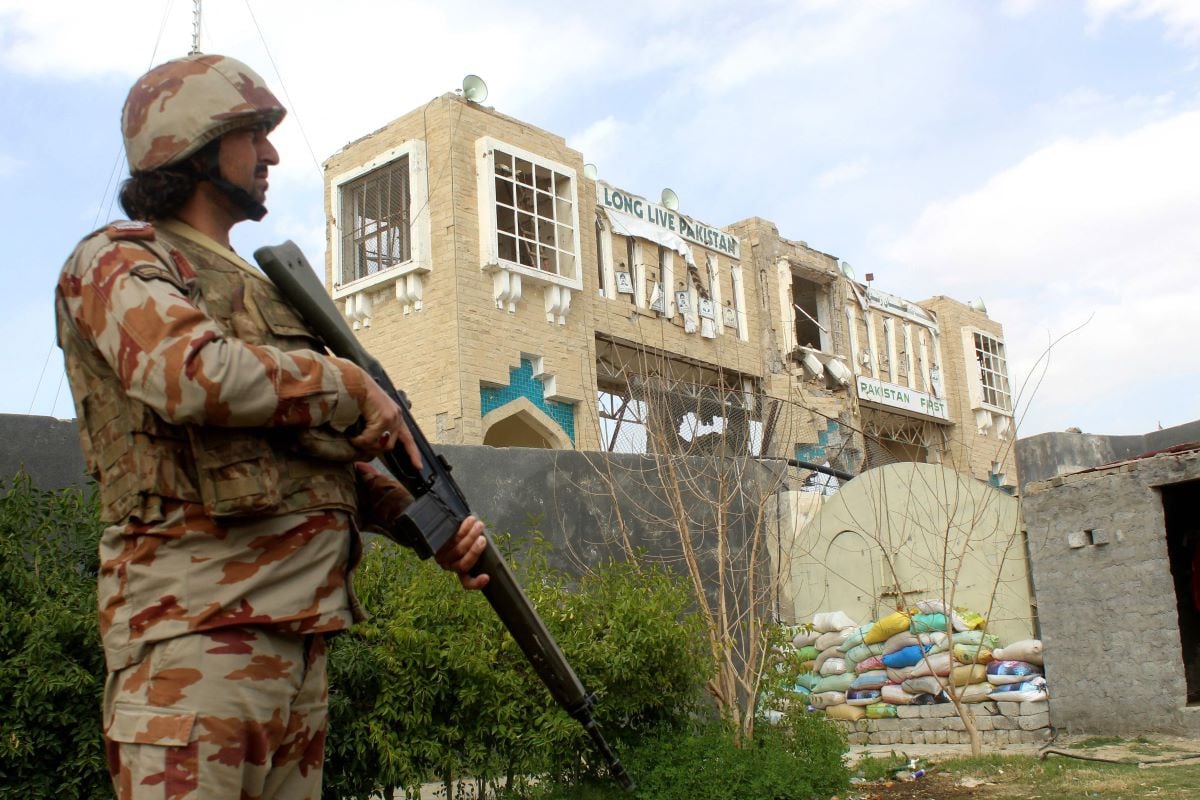
The spokesperson’s comments come in the wake of Pakistan’s launch of Operation Ghazab lil-Haq on February 26, following what authorities described as “unprovoked firing” from across the Afghan border. Andrabi’s reference to an ongoing dialogue process pointed to recent diplomatic engagements between the two countries, with Afghanistan remaining a key topic in both bilateral and trilateral discussions.
In economic news, Pakistan’s foreign exchange reserves have seen a modest increase. According to the State Bank of Pakistan (SBP), the country’s total foreign reserves rose to $21.6 billion after an increase of $41 million. SBP’s own holdings now stand at $16.34 billion. Meanwhile, the price of gold in the local market dropped by Rs2,900 per tola.
The rise in reserves and the diplomatic efforts with China underscore Pakistan’s focus on both economic stability and regional security amid ongoing challenges.
Comments
No comments yet. Be the first to join the discussion!