China, US set for new round of trade talks in Paris to ease trade tensions
China and the US are set to hold new trade negotiations in Paris from March 14-17, aiming to ease tensions and stabilize their economic relationship. Key issues include tariffs and cooperation on technology exports.

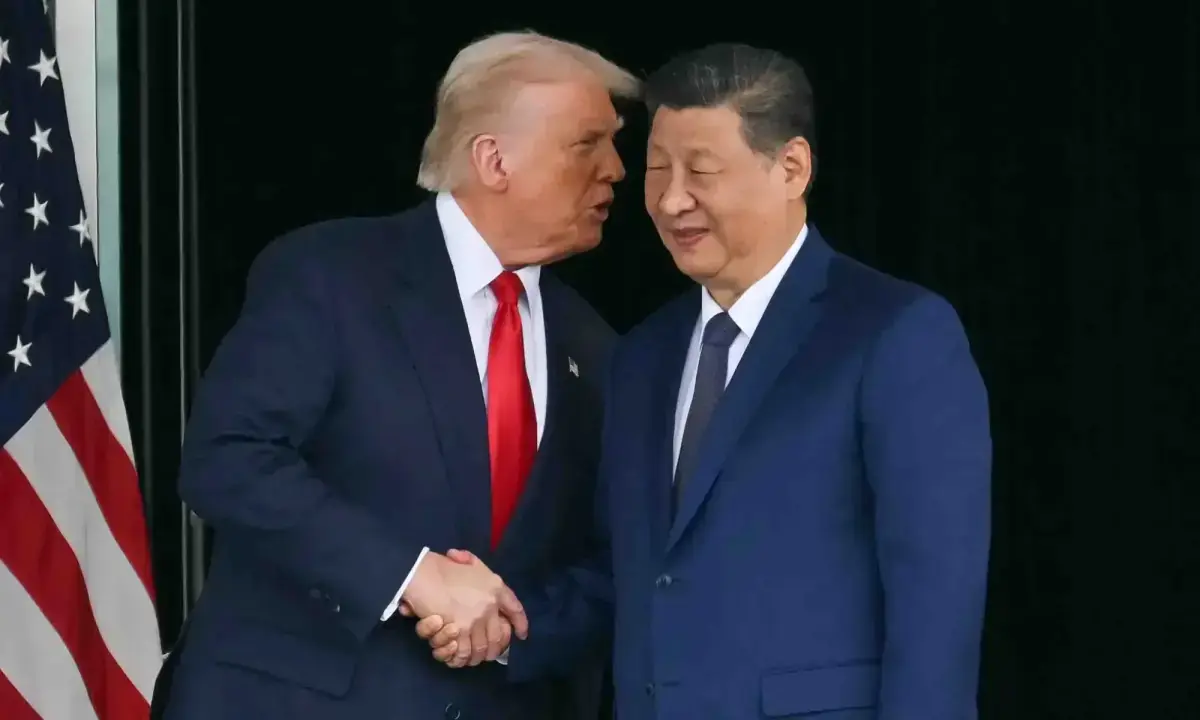
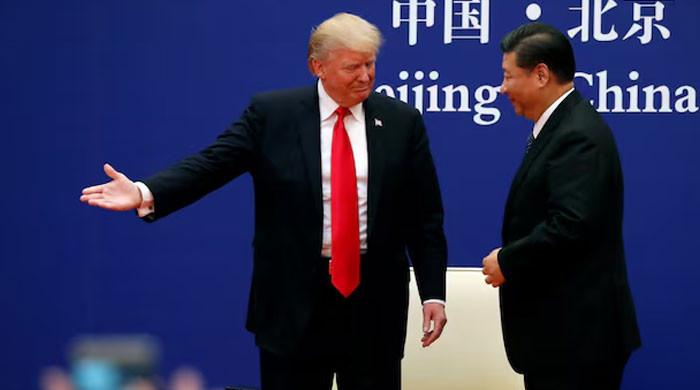
BEIJING: A new round of economic and trade negotiations between China and the United States will be held in Paris from March 14 to 17, marking the latest effort by the world’s two largest economies to stabilize their complex bilateral trade relationship.
The Paris meeting will follow five earlier rounds of consultations conducted in Geneva, London, Stockholm, Madrid and Kuala Lumpur between May and October 2025. The series of negotiations reflects ongoing efforts by both sides to maintain dialogue and manage trade tensions through structured engagement.
Discussions so far, guided by the consensus reached by the two heads of state, have involved candid and constructive exchanges on key economic and trade issues. These include the US Section 301 measures targeting China’s maritime, logistics and shipbuilding sectors, the suspension of “reciprocal tariffs,” fentanyl-related tariffs and law enforcement cooperation, agricultural trade, export controls, and issues related to TikTok.
The first round of talks took place in Geneva in May 2025, with Chinese Vice Premier He Lifeng leading the Chinese delegation. The US team was headed by Treasury Secretary Scott Bessent and US Trade Representative Jamieson Greer.
Following two days of negotiations, both sides issued a joint statement and agreed to establish a regular consultation mechanism. A key outcome was a 90-day suspension of the 24 percent “reciprocal tariffs” imposed by the US on Chinese goods, alongside the cancellation of 91 percent of previously introduced additional tariffs.
Subsequent negotiations in London and Stockholm focused on implementing earlier agreements and addressing sector-specific concerns related to tariffs and export restrictions. Both countries also agreed to extend the suspension of the reciprocal tariffs and corresponding countermeasures for another 90 days, helping to prevent a renewed escalation of trade tensions.
The fourth round of discussions in Madrid in September 2025 produced progress on several issues, including negotiations related to TikTok and investment barriers. The two sides agreed on a basic framework for resolving the TikTok issue through cooperation while promoting economic and trade ties.
Speaking at the time, Vice Premier He Lifeng said China would handle approvals for technology exports in accordance with its laws and regulations, adding that the government respects the decisions of Chinese companies operating overseas and supports market-based negotiations.
The fifth round of talks in Kuala Lumpur in October 2025 marked a significant breakthrough. The US agreed to cancel the 10 percent “fentanyl tariffs” and suspend for one year the 24 percent reciprocal tariffs on Chinese goods, including those from the Hong Kong and Macao special administrative regions. Washington also suspended new export restrictions related to its “entity-list” rule and measures under the Section 301 investigation targeting China’s maritime, logistics and shipbuilding industries.
In response, China agreed to suspend certain export control measures and corresponding countermeasures for one year once the US suspensions took effect.
Both sides also reaffirmed the outcomes of the Madrid talks and agreed to continue using the China-US economic and trade consultation mechanism to maintain close communication and promote stable economic ties.
Ahead of the Paris meeting, a spokesperson for China’s Ministry of Commerce expressed hope that the United States would work with China to uphold the consensus reached between the two heads of state during their meeting in Busan and a phone conversation on February 4, 2026.
China, the spokesperson said, is prepared to resolve concerns, manage differences and promote the healthy, stable and sustainable development of bilateral economic and trade relations on the basis of mutual respect and equal consultation.
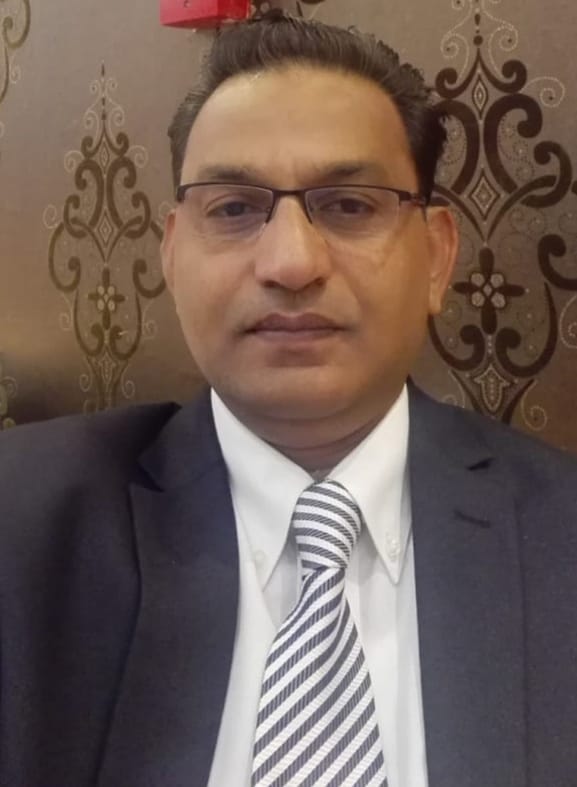
The writer is Head of News at Pakistan Today. He has a special focus on current affairs, regional and global connectivity, and counterterrorism. He tweets as @mian_abrar and also can be reached at [email protected]
View all articles →Comments
No comments yet. Be the first to join the discussion!