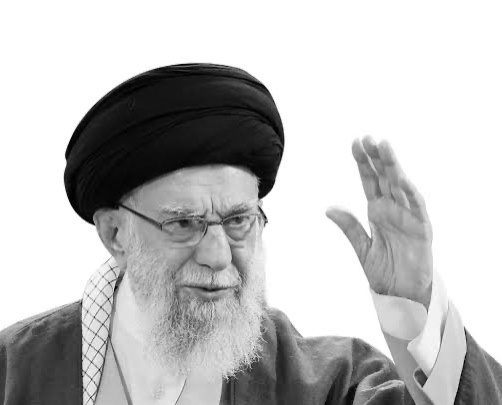
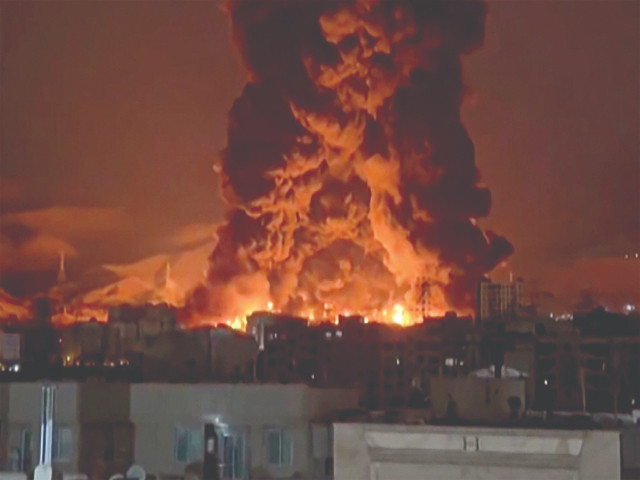
Iranian clerics near decision on new supreme leader amid ongoing US-Israeli threats
Iranian clerics are reportedly close to announcing a successor to Ayatollah Khamenei after his assassination in US-Israeli strikes. The process unfolds amid vows from the US and Israel to target both the new leader and those involved in the selection.

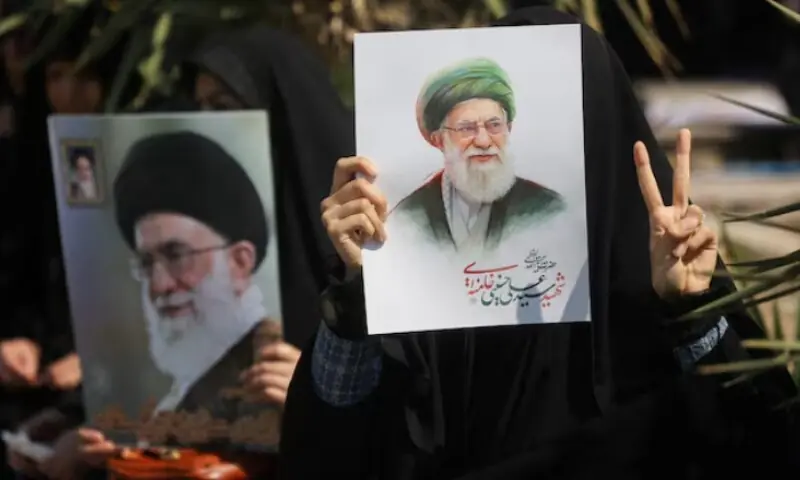
TEHRAN: Iranian clerics involved in the process of selecting a successor to Ayatollah Ali Khamenei, who was assassinated a week ago in US-Israeli strikes, have indicated they are close to announcing the Islamic Republic’s new supreme leader. The clerical body responsible for this decision may reveal their choice as soon as Sunday, according to statements from those involved.
The current situation marks an unprecedented period of uncertainty for Iran’s revolutionary theocracy. The United States and Israel have publicly stated their intention to continue their campaign, vowing to target not only Khamenei’s successor but also those participating in the selection process. This includes both the clerics formally tasked with choosing the new leader and influential figures such as Revolutionary Guardsmen and political insiders.
Understanding the supreme leader’s role
The position of Iran’s supreme leader is central to the country’s theocratic system, established after the 1979 Islamic Revolution. The supreme leader holds ultimate authority over state matters, including the military, judiciary, and media, and is considered the highest-ranking political and religious figure in Iran.
The selection process
The process of choosing a new supreme leader is managed by a clerical body, which is reportedly prepared to make an announcement soon. The selection involves both formal procedures and significant influence from key political and military actors within the Islamic Republic.
Impact of recent attacks
The recent US-Israeli strikes, which resulted in the assassination of Ayatollah Khamenei, have significantly altered the dynamics of the succession process. The explicit threats from the United States and Israel to target both the new leader and those involved in the selection have added further complexity and risk to the proceedings.
As the clerical body moves closer to naming Khamenei’s successor, the future leadership and stability of Iran’s theocratic system remain uncertain.
Comments
No comments yet. Be the first to join the discussion!