Conflict’s economic shocks, and policy response
The ongoing conflict in Iran has triggered significant economic shocks, particularly in oil and gas prices. This article discusses the implications for global markets and the need for balanced policy responses to mitigate inflation and supply issues.

Austerity-based policies will be harmful
In the wake of the conflict in Iran, which has now escalated to some extent as a regional conflict in the Middle East, especially in terms of significant level of closure of the Strait of Hormuz has led to a deep supply shock.
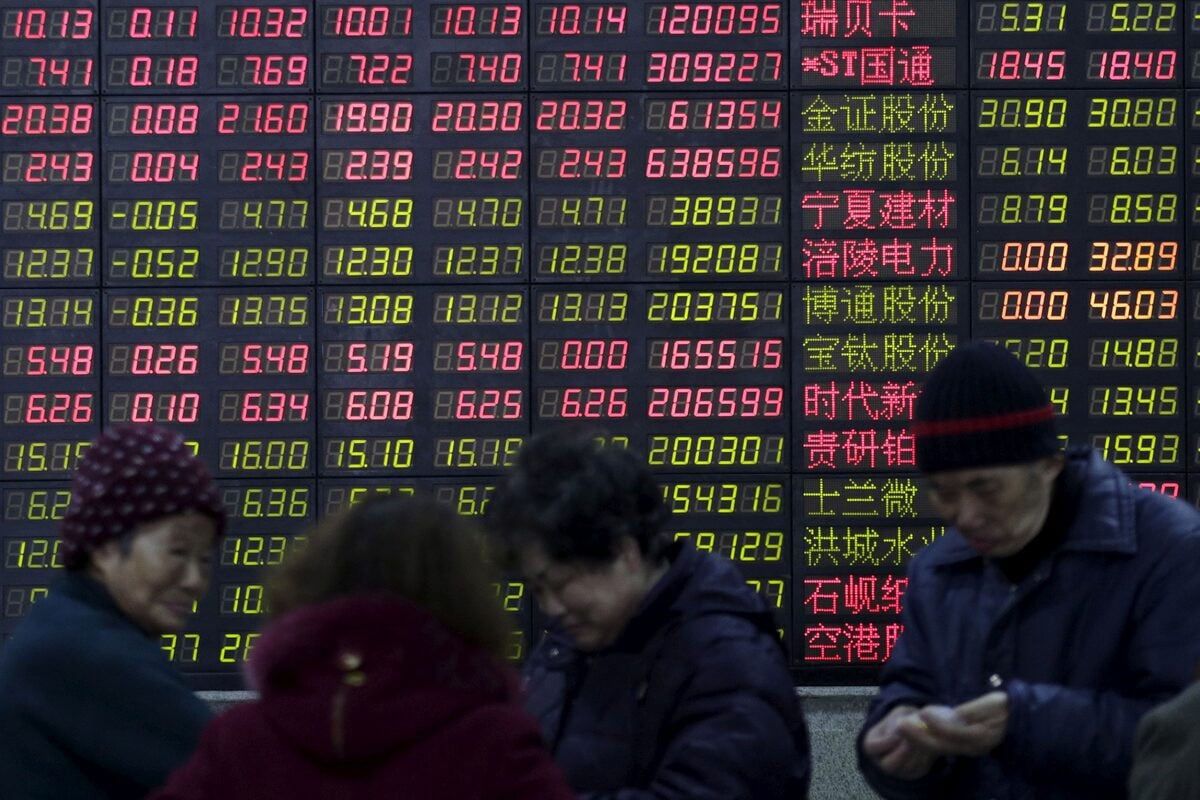
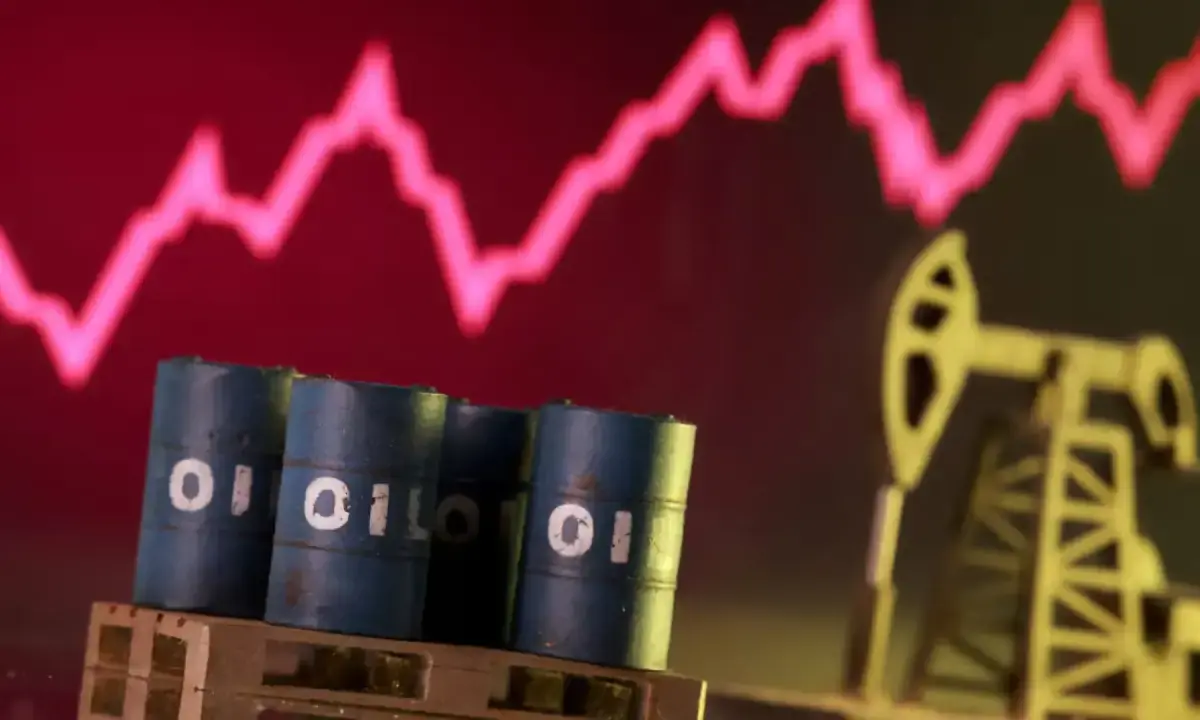
Among the main commodities of immense consequence has been the supply of oil, and gas. An article ‘Oil prices surge further and markets slump as Middle East war intensifies’ published by Bloomberg on March 3, pointed out with regard to rise in oil prices that ‘Oil prices have risen further as the Middle East war extended into a fourth day, sending stock markets tumbling across the UK and Europe on fears of a prolonged conflict. Brent crude rose by another 4% on Tuesday to stand at a one-year high of nearly $81 a barrel… An Iranian official has reportedly warned tankers on the Strait of Hormuz that no ships would be allowed to pass through, as part of its response to a US and Israel military campaign against Iran… Oil had soared by as much as 13 percent at one stage on Monday, rising above $82 a barrel, before paring back.’
At the same time, gas prices have also increased significantly. The same article indicated ‘Iran's threats over the Strait of Hormuz has sparked fears that oil prices will continue rising sharply, with the route used by tankers carrying about one fifth of the world's oil supplies and seaborne gas. Gas Ukraine, up 52 percent, after Qatar halted production of liquified natural gas after attacks by Iran and were up around another 20 percent on Tuesday.’
These shocks hold immense significance for Pakistan, which is a net oil importer, and with regard to LNG an article ‘In charts: how serious is the Middle East gas price shock’ published in The Financial Times pointed out ‘Pakistan received 99 per cent of its LNG imports from Qatar and the UAE in 2025…’ The Bloomberg article quoted above, indicated in this regard ‘Iran's threats over the Strait of Hormuz has sparked fears that oil prices will continue rising sharply, with the route used by tankers carrying about one fifth of the world’s oil supplies and seaborne gas. Gas prices on Monday also surged at the fastest pace since the outbreak of war in Ukraine, up 52 percent, after Qatar halted production of liquified natural gas after attacks by Iran and were up around another 20 percent on Tuesday.’
Higher oil, and gas prices, along with overall trade-related aggregate supply shock is likely to have a significant imported, and cost-push inflationary impact. Moreover, expensive imports will add to balance of payments pressures, while a likely contractionary monetary policy response to inflation will increase debt repayment needs– and overall debt distress– in turn, putting pressure on foreign exchange reserves, and the exchange rate. Here, it needs to be emphasized that learning from the misgivings of following over-austerity policies, in terms of paying unnecessarily high economic growth sacrifice, a more balanced aggregate demand, and supply-side policies need to be adopted.
This would mean relying less on enhancing policy rate, and fiscal consolidation rate– reducing government developmental expenditures, and raising consumption-based taxation– and putting in place much improved governance, and incentive structures to enhance aggregate supply to overall control inflation from rising quickly, and to a high level. Overall, it would mean adopting a non-neoliberal approach– that is putting in place a greater role of the public sector, adopting meaningful level of regulation, and approaching for instance privatization, and liberalization in a rationalized way– counter-cyclical– enhancing public development related expenditure, and reducing taxes during downturn– and a non-austerity policy approach.
Meaningful level of controls will also need to be applied on imports, so that only essential natured imports are made, to ease pressure on the balance of payments, along with adopting a policy of price controls for better, and more predictable price discovery for consumption, and investment.
Here, unlike the mistake of using the routine quota-based allocation criterion adopted in August 2021, the current allocation should be needs-based, and in turn, the allocation amount of SDR matching the extent of needs of a particular country, generated in the wake of the conflict. In addition to providing more immediate-natured support to balance of payments, such allocation, in turn, will allow countries greater space for practicing counter-cyclical policies.
At the same time, there is already a negative impact in terms of rising inflation, and falling growth not only for developing countries, but for developed countries. This will likely ave a negative impact on workers’ remittances, not just from the Middle East, where a lot of Pakistanis work, but also from the USA, the UK, and the Euro area, which are a significant source of workers’ remittance for Pakistan. Hence, this will in turn likely produce a meaningfully negative impact on foreign exchange reserves. These areas are also important for both exports, and imports for the country, and a slowdown in economic activity as a result of economic shocks also impacting these regions, will in turn also negatively impact Pakistan’s trade as well.
An article ‘Iran war shock threatens to unleash wave of global inflation’ published by Bloomberg on March expected ‘…a prolonged closure of the Strait would raise prices by 80 percent from pre-war levels — taking them to around $108 a barrel. In a severe scenario, Bloomberg Economics assumes prices would stay that high into the fourth quarter of the year.’
While this will have a negative economic impact globally in terms of inflation, and growth for instance, in the particular cases of the USA, the UK, and the Euro Area, the same article pointed out ‘Bloomberg Economics’ model points to a blow to GDP from the energy shock of 0.6 percent for the euro area and 0.5 percent for the UK. Inflation also moves higher, with an upward impulse of about 1.1 percentage point for both economies. If expectations drift higher, the ECB and BOE may be forced to delay cuts or hike rates– compounding the blow to growth. …In a less extreme scenario, fighting continues without more major strikes on energy infrastructure or prolonged disruption to the Strait of Hormuz. Oil prices hover around $80 a barrel. Inflation expectations remain anchored. Inflation rises modestly – about 0.3 percentage point in the USA and about 0.5 percentage point in the UK and euro area. GDP gets dinged but not badly dented. Central banks may find they can look through the shock.’
Just like the Pandemic, and then the war in Ukraine, created large scale aggregate supply disruptions globally during the early part of the current decade, which in turn, led to high inflationary pressures, and following which deep contractionary policies were adopted in many countries, the current situation has created a similar situation. Moreover, higher imported inflationary, and overall balance of payments related pressures resulted in, for instance, an enhanced level of SDR allocation by the IMF back in August 2021. A serious level of conflict, and the fast-brewing balance of payments pressures, especially for net oil importers, like Pakistan, and which is also a country highly vulnerable to climate change, calls for immediate release of an enhanced SDR allocation by the IMF.
Here, unlike the mistake of using the routine quota-based allocation criterion adopted in August 2021, the current allocation should be needs-based, and in turn, the allocation amount of SDR matching the extent of needs of a particular country, generated in the wake of the conflict. In addition to providing more immediate-natured support to balance of payments, such allocation, in turn, will allow countries greater space for practicing counter-cyclical policies.

The writer holds PhD in Economics degree from the University of Barcelona, and previously worked at International Monetary Fund.Prior to this, he did MSc. in Economics from the University of York (United Kingdom), and worked at the Ministry of Economic Affairs & Statistics (Pakistan), among other places. He is author of Springer published book (2016) ‘The economic impact of International Monetary Fund programmes: institutional quality, macroeconomic stabilization and economic growth’.He tweets @omerjaved7
View all articles →Comments
No comments yet. Be the first to join the discussion!