U.S. strikes on Iran follow reported Saudi and Israeli pressure, Washington Post claims
The U.S. and Israel launched a military offensive against Iran following pressure from Saudi Arabia. The attack raises questions about its necessity and consequences.

In one of the most significant escalations of U.S. foreign policy in decades, the United States and Israel launched a major joint military offensive on Iran, killing the country’s Supreme Leader and multiple senior officials in a campaign described by U.S. leaders as necessary to counter Tehran’s ambitions and threats.
According to a detailed report in The Washington Post, President Donald Trump ordered the wide-ranging attack after weeks of persistent lobbying by two of Washington’s closest Middle East allies — Saudi Arabia and Israel. Saudi Crown Prince Mohammed bin Salman is reported to have made multiple private calls urging decisive action despite publicly endorsing diplomacy, while Israeli Prime Minister Benjamin Netanyahu continued a long-standing campaign for strikes against Iran.
U.S. intelligence assessments reportedly found no evidence of an imminent threat to the U.S. mainland, raising questions about the timing and necessity of such a large-scale attack.
The Post Narrative and Its Consequences
The Washington Post account places an unusual emphasis on the role of Saudi Arabia, noting that bin Salman argued in private that delaying action would leave Tehran stronger, even as public diplomatic channels remained open.
This specific framing — highlighting Saudi and Israeli pressure — has already sparked debate among analysts, commentators, and global audiences for several reasons:
1. Perceived Establishment Bias
Critics of legacy U.S. outlets often argue that reporting on national security issues reflects the perspectives of Washington’s foreign policy establishment. Because the Post frequently relies on senior officials within the Pentagon, State Department, and intelligence community for its scoops, some see the narrative as shaped by those sources’ assessments and priorities. This dynamic has been criticized in past major conflicts for emphasizing threat narratives and sidestepping deeper scrutiny of policy drivers.
While the Post’s reporting is rooted in verified sources and fact-based journalism, these historical critiques raise questions about how coverage frames geopolitical causation and motivation — particularly when national capitals are directly involved in shaping events.
2. Sectarian and Regional Sensitivities
Emphasizing Saudi lobbying in the decision to attack Iran could be seized upon in regional discourse as evidence of broader Sunni–Shia rivalry shaping global policy decisions. In the Middle East’s emotionally charged sectarian landscape, narratives highlighting Saudi influence on a military campaign against a predominantly Shia state risk being interpreted — fairly or not — through sectarian lenses by media and political actors across the region.
Critics of this framing argue it may unintentionally amplify tensions or be used by various state and non-state actors to reinforce sectarian narratives, even if the Post itself did not intend such an outcome.
3. Public Perception and Messaging
The Post also reported that as the attack commenced, Trump issued statements directed at Iranian citizens, urging them to rise up and suggesting that U.S. forces would offer immunity to elements of Iran’s security apparatus willing to defect from the regime. This kind of messaging — framed as aimed at “freedom for the Iranian people” — ties into broader debates over regime change rhetoric and how media coverage can shape international public opinion.
Military Action and Regional Fallout
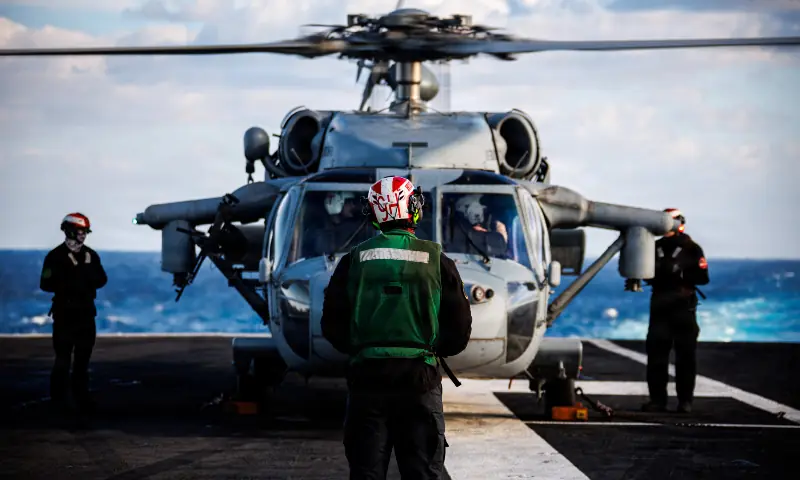
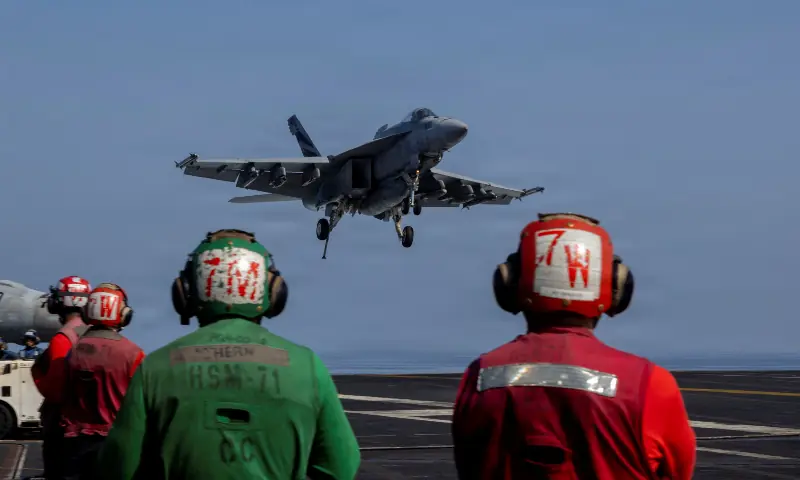
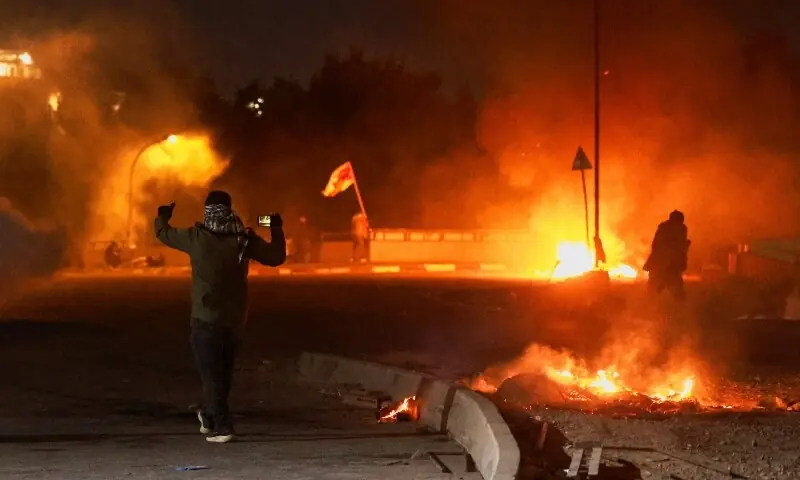
The offensive, described by U.S. and Israeli officials as targeting Iran’s leadership and strategic capabilities, has already triggered violent retaliation. Iran launched missile and drone attacks against Israeli and U.S. positions across the Gulf, while global oil markets reacted to disruptions and the closure of strategic waterways.
The conflict has drawn widespread international attention and condemnation. A U.N. emergency Security Council session saw calls from Russia, China, and European states for restraint, even as the U.S. defended its actions as necessary to counter perceived long-term threats.

Our monitoring team diligently searches the vast expanse of the web to carefully handpick and distill top-tier business and economic news stories and articles, presenting them to you in a concise and informative manner.
View all articles →Comments
No comments yet. Be the first to join the discussion!