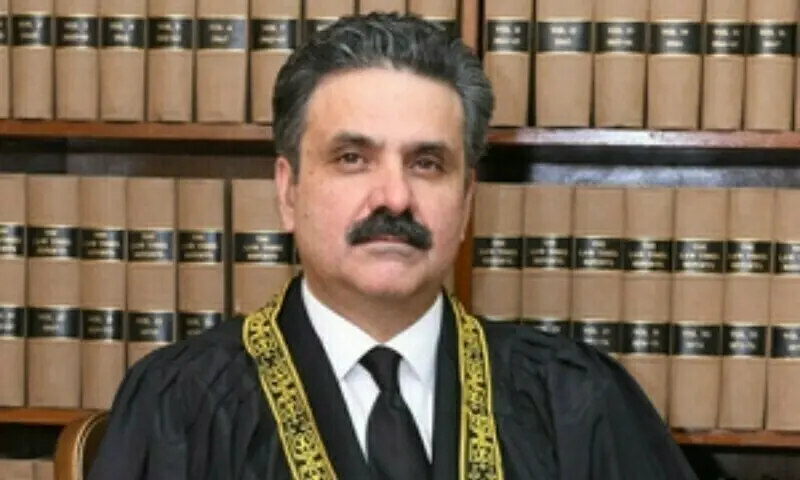
CJP Afridi Sets New Procedure for Early Hearing and Transfer of SC Cases
Chief Justice Yahya Afridi has introduced a new procedure requiring separate applications for transferring cases from Supreme Court branch registries to the principal seat and for early hearing requests.

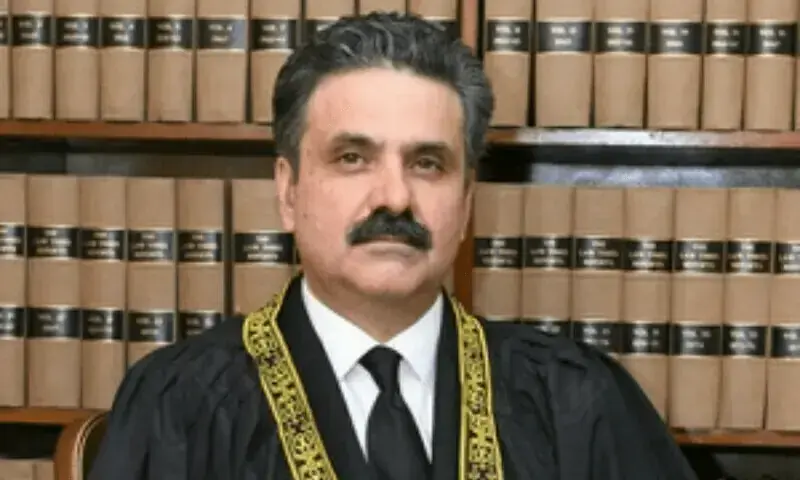
ISLAMABAD: Chief Justice of Pakistan (CJP) Yahya Afridi has introduced a revised procedure for litigants and Advocates-on-Record (AORs) seeking the transfer and early hearing of cases in the Supreme Court. The new guidelines were announced on Saturday, aiming to streamline the process for moving cases from branch registries to the principal seat in Islamabad and for requesting early fixation of hearings.
Separate Applications Required for Transfer and Early Hearing
According to the order, any AOR or litigant (in person) who wishes to transfer a case from a Supreme Court branch registry to the principal seat must now submit a separate application for the transfer. If the transfer request is approved, a distinct application for early fixation of the case must be filed subsequently. This two-step process is intended to clarify and formalize the procedure for such requests.
The order further clarifies that if a Supreme Court bench is available at a branch registry, litigants may file an application for early fixation directly at that branch registry. This provision allows for flexibility in cases where a bench is present outside the principal seat.
Specific Procedure for Quetta Branch Registry
The order also addresses petitions filed at the Supreme Court branch registry in Quetta. It states that whenever a civil or criminal petition is filed there, a specified pro forma will be used to obtain an option from the AOR or litigant (in person) regarding whether they wish the petition to be heard at the branch registry or transferred to the principal seat in Islamabad.
"Under the new procedure, a litigant will first file an application for the transfer of the case from an SC branch registry to the principal seat in Islamabad. If the transfer application is allowed, a separate application for early fixation of the same case will then be filed," the order states.
These changes are expected to provide greater clarity and efficiency in handling requests for case transfers and early hearings within the Supreme Court system. The order is effective immediately and applies to all future applications.
1 Comment
No comments yet. Be the first to join the discussion!