February 7, 2026
Muslim teacher, headmistress suspended in UP school after Hindutva protest over Quranic display
In Uttar Pradesh, a Muslim teacher and headmistress were suspended following Hindutva protests against a Quranic verse display. The incident raises questions about religious symbols in schools.
S
Staff Correspondent
4 views
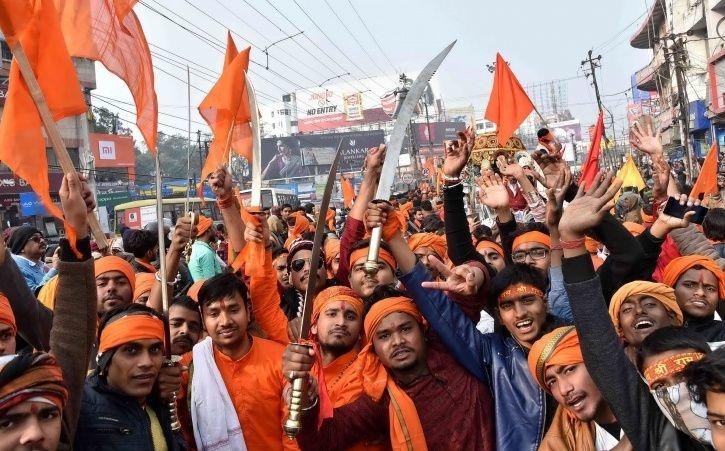
LUCKNOW: A Muslim teacher and the headmistress of a government primary school in Sambhal district, Uttar Pradesh, have been suspended following protests by Hindutva groups over a framed Quranic verse displayed above a classroom gate.
Members of Bajrang Dal and Vishwa Hindu Parishad arrived at the Nagla Purva school under Kurh Fatehgarh police station, demanding immediate action against assistant teacher Mohammad Nazim. They claimed religious symbols have no place in government schools and accused Nazim of teaching Islam—allegations he and local villagers strongly denied.
“I am a government teacher and follow only the prescribed syllabus. No religious lessons were ever given to any child,” Nazim told reporters, calling the accusations baseless and politically motivated.
Videos from the incident show Hindutva activists aggressively inspecting classrooms, books, and blackboards, acting as an unofficial monitoring team. Following a written complaint, the framed Quranic verse was removed, and authorities suspended both Nazim and headmistress Pushpa Jatav, claiming the action violated school norms and that an inquiry had been ordered.
Critics have questioned the haste of the suspensions. “Punishing staff before a proper probe under street pressure sets a dangerous precedent,” said a local education activist. Residents noted that the school had no prior complaints and said that authorities targeted the teacher because of his religion.
Muslim community elders in Sambhal expressed concern over the selective scrutiny of religious symbols and urged equal application of rules. They asked why similar scrutiny is not applied to other religious symbols in public spaces. As the official inquiry proceeds, questions linger over equal application of rules, administrative independence, and the impact of communal pressure on educators.
Share: