Pakistan to remain part of Pak-China-Afghan mechanism, maintain firm stance on Kabul ties: FO
ISLAMABAD: Pakistan will continue to participate in the trilateral mechanism involving Pakistan, China and Afghanistan, describing the forum as a reflection of Islamabad’s constructive engagement, while maintaining its long-standing position on bilateral relations with Kabul, including demands for action against terrorist groups.
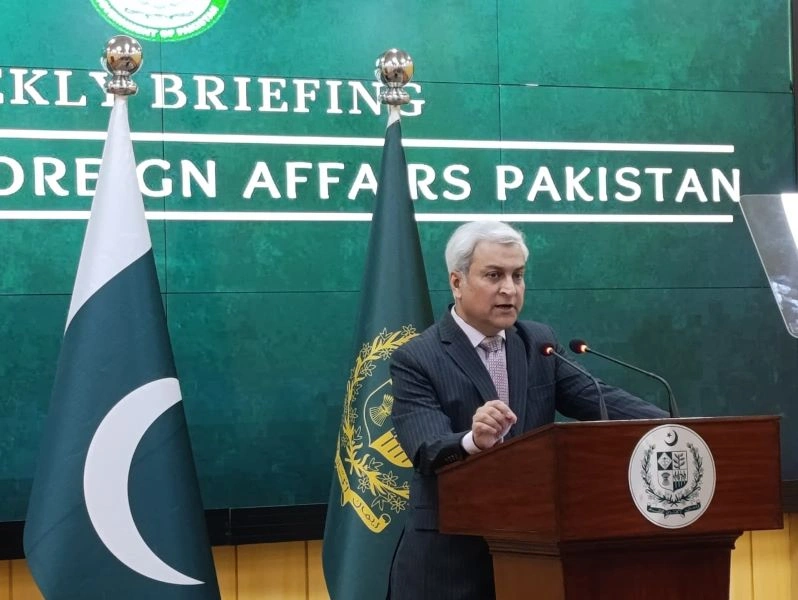
Speaking at the Foreign Office’s weekly press briefing on Thursday, spokesperson Tahir Hussain Andrabi said it was agreed during the Pakistan-China dialogue to continue the trilateral mechanism. He stressed that Pakistan does not seek a hostile relationship with Afghanistan but expects concrete steps from the Taliban-led administration.
“Pakistan expects verifiable written guarantees that Afghan territory or citizens will not be used for terrorism abroad,” Andrabi said, adding that such assurances would also be in Afghanistan’s own interest.
Pakistan has repeatedly maintained that leaders and fighters of the Tehreek-e-Taliban Pakistan (TTP) enjoy safe havens in Afghanistan and operate freely under the Taliban’s watch. Kabul, however, has accused Pakistan of violating Afghan sovereignty through occasional airstrikes on TTP positions and of exerting political and military pressure.
Islamabad’s frustration has grown in recent years. Despite investing significant diplomatic and political capital in facilitating the Taliban’s return to power in 2021 — in the expectation of improved border security and reduced militancy — Pakistan has instead witnessed a surge in TTP attacks, deteriorating security in Khyber Pakhtunkhwa and Balochistan, and what it describes as an uncooperative Taliban government unwilling to address its concerns.
Responding to media reports suggesting that Pakistan and Saudi Arabia were discussing the conversion of around $2 billion in Saudi loans into a deal for JF-17 fighter jets, Andrabi said the Foreign Office was not aware of any such agreement. He added that Pakistan and Saudi Arabia share broad defence ties and that any developments would be shared at the appropriate time.
On relations with India, the spokesperson rejected recent remarks by the Indian foreign minister as “baseless”, accusing India of supporting terrorism at both regional and international levels. He said allegations against Pakistan could not conceal India’s “anti-peace actions”.
Andrabi also criticised the demolition of the Fateh Elahi mosque and adjoining properties in Delhi, calling it part of a broader anti-Muslim campaign. He said the trend began with the demolition of the Babri Masjid in 1992 and the subsequent construction of a temple at the site.
Addressing regional developments, Andrabi said Pakistan opposes any foreign interference in Iran’s internal affairs, responding to reports of ongoing protests in the country over inflation and economic hardship.
The protests, now in their 11th day, have reportedly turned violent. Iranian media said two security personnel were killed and at least 30 others injured, while the nationwide death toll from clashes has reached 35. Reports said protesters pelted police with stones and, in some instances, opened fire on security forces.
On Somaliland, Andrabi reiterated Pakistan’s opposition to the recognition of the self-declared state, saying such a move threatens Somalia’s unity and territorial integrity.
Israel became the first country to formally recognise the self-declared Republic of Somaliland on December 26. On December 28, the foreign ministers of more than 20 Muslim-majority countries issued a joint statement rejecting the move. The statement, released by Pakistan’s Foreign Office, said the recognition violates international law and the UN Charter, which uphold the sovereignty and territorial integrity of states.
Comments
No comments yet. Be the first to join the discussion!