December 14, 2025
The Machiavellian Politics of Pakistan

Azhar Dogar
15 views
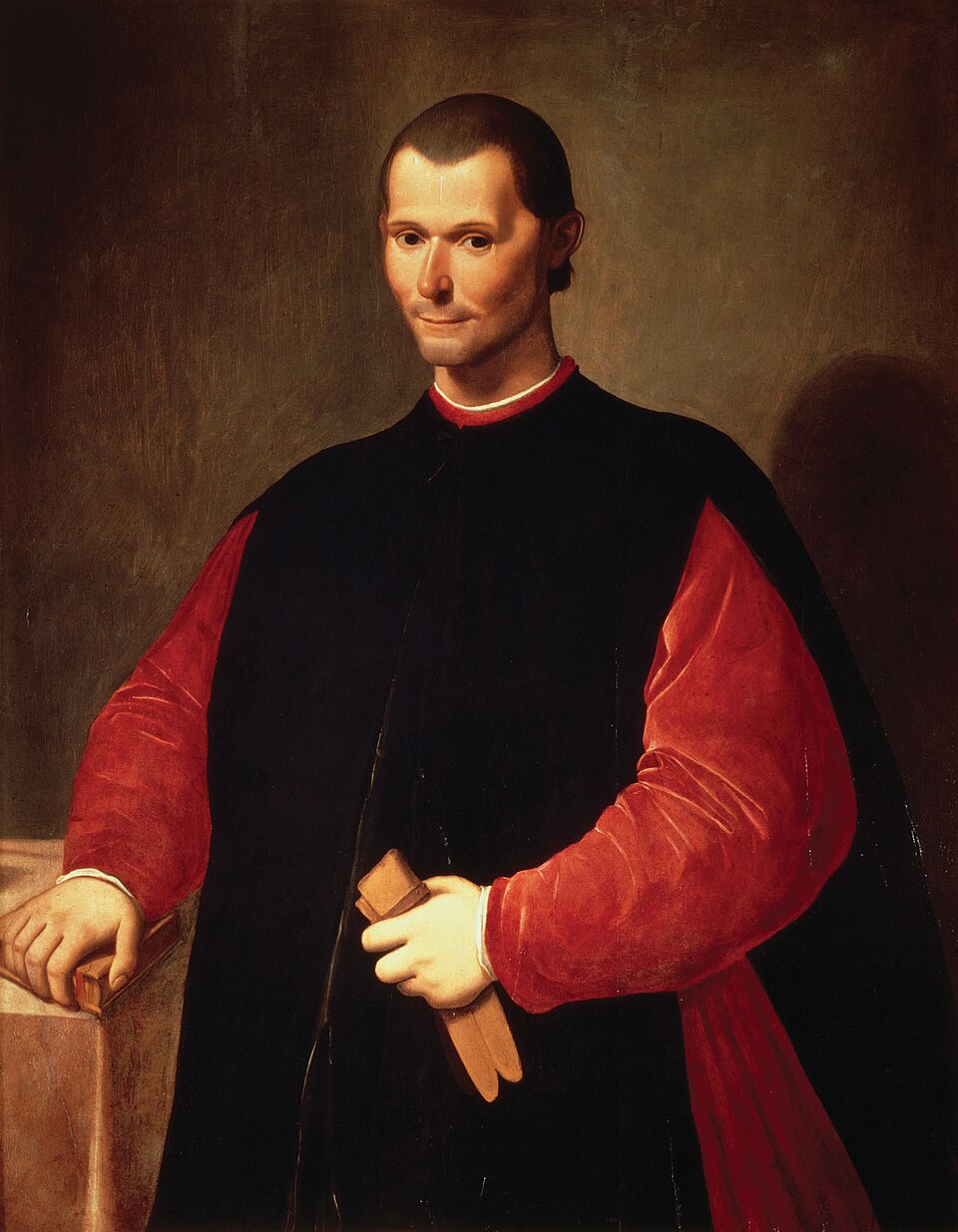
Niccolo Machiavelli wrote his famous treatise The Prince in 1513. At the time, Machiavelli’s treatise made a clear break from the Western tradition of political philosophy. Beginning with the great Greek philosophers Plato and Aristotle, the thinkers of political philosophy were primarily concerned with issues of justice and human happiness, and with the constitution of thie ideal state.
In contrast, The Prince was a shockingly practical manual for rulers who aim either to establish and retain control of a new state or to seize and control an existing one. Instead of basing his advice on ethics, morality or philosophical principles, Machiavelli based his political programme on realpolitik. Since the publication of The Prince in 1532, Machiavellian as an adjective has been in use as a synonym for political manoeuvres marked by cunning, bad faith and duplicity to stay in power at all costs.
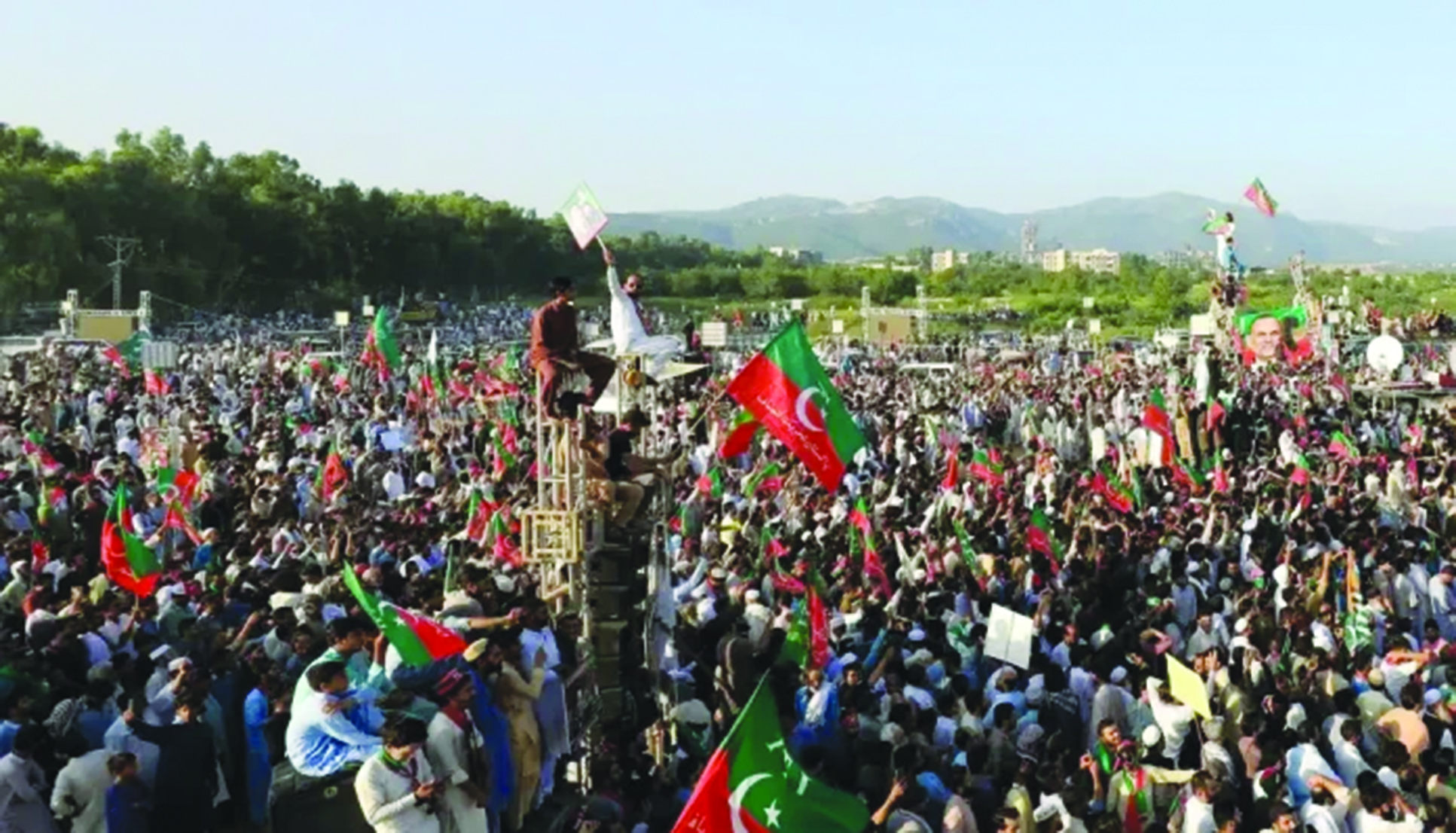
In Pakistan, politics has long been a grand theatre of strategy, intrigue, betrayal, and perpetual power play. If Niccolò Machiavelli were alive today, he might find in Pakistan a case study richer than the Prince himself, where rulers rise not through statesmanship or institutional strength but through manipulation, patronage, and a persistent zero sum pursuit of power. Yet the tragedy is that this style of politics, once merely unsavory, has now become an existential threat to the country’s economic health and institutional stability. In Machiavellian thought, politics is the art of maintaining power, often at the expense of morality. Pakistani politics seems to have embraced this as its default operating system. Successive governments, civilian and military alike, have prioritized political survival over policy continuity. This has created a governance culture where short-term tactical gains eclipse long-term national needs. Every government that comes into power spends its early years settling political scores and its later years scrambling to remain in office. Economic planning, serious institutional reform, and social welfare become collateral damage in this endless tug of war. Economic development requires predictability, something Pakistan has rarely offered. Investor confidence collapses each time a government is toppled or a new power struggle erupts. Policies change with each administration and long-term projects are abandoned if they are associated with political rivals. Over time, this has resulted in (a) chronic fiscal deficits due to reluctance to implement unpopular but necessary reforms, (b) reliance on IMF bailouts, now almost cyclical, because political and even military leaders fear the fallout of structural adjustments, (c) capital flight, as businesses seek more stable environments and rule of law and (d) stagnant industrial growth, because domestic and foreign investors alike struggle to plan in the face of political uncertainty and rule of law. Machiavelli might argue that instability is the price of political cunning, but Pakistan’s economy has paid that price far too many times. No modern state can thrive without strong institutions. Yet in Pakistan, state institutions have often been treated as spoils of political war. Whether it is the civil service, the police, regulatory bodies, or even the judiciary, institutions are repeatedly reshaped to accommodate whichever political faction holds sway. The consequences are predictable as it leads to bureaucratic paralysis, as civil servants become more loyal to political or military patrons than to the constitution. Weak rule of law, because institutions are pressured to serve political rather than public interests. Politicization of accountability, with anti-corruption bodies often functioning as tools for political vendetta. Erosion of trust, as citizens come to see state institutions as extensions of party power rather than neutral arbiters. Instead of long term institutional development, Pakistan gets cycles of institutional capture and purge, each more destabilizing than the last one. Machiavellian governance thrives in environments where people rely on patronage not merit, where the state is weak, not strong, where politics drives institutions, not the other way around. Pakistan’s tragedy is that its Machiavellian political culture has become both a cause and consequence of its institutional weaknesses. When institutions fail to deliver justice, welfare, or opportunity, people turn to political patrons, even those who perpetuate the dysfunction. This creates a self-reinforcing system where leaders benefit from weak institutions and therefore have no incentive to strengthen them. Pakistan is not condemned to this fate. Countries with similar histories, like South Korea, Indonesia, Turkey in earlier decades broke their cycles of Machiavellian politics by strengthening democratic institutions, professionalizing their bureaucracies, and prioritizing national development over political vendettas. For Pakistan, the path forward requires a political consensus on rules of the game and no more use of institutions as weapons. Strengthening of independent institutions, especially courts, regulators, and the civil service. Policy continuity, regardless of which government is in power. Public pressure, through media and civil society, to hold leaders accountable for performance, not theatrics. Machiavelli never intended his philosophy to be a guide for constant chaos. He believed that cunning and power should ultimately serve the stability of the state. In Pakistan, however, the pursuit of power has too often undermined the very foundations of the nation. Until the political elite shifts from a Machiavellian obsession with survival to a statesmanlike focus on service, Pakistan will remain a country rich in potential but held back by its own political imagination.Until the political elite shifts from a Machiavellian obsession with survival to a statesmanlike focus on service, Pakistan will remain a country rich in potential but held back by its own political imagination
Share:
Azhar Dogar
The author is a senior international banker, with degrees in economics and political science from University of Pennsylvania and Brown University