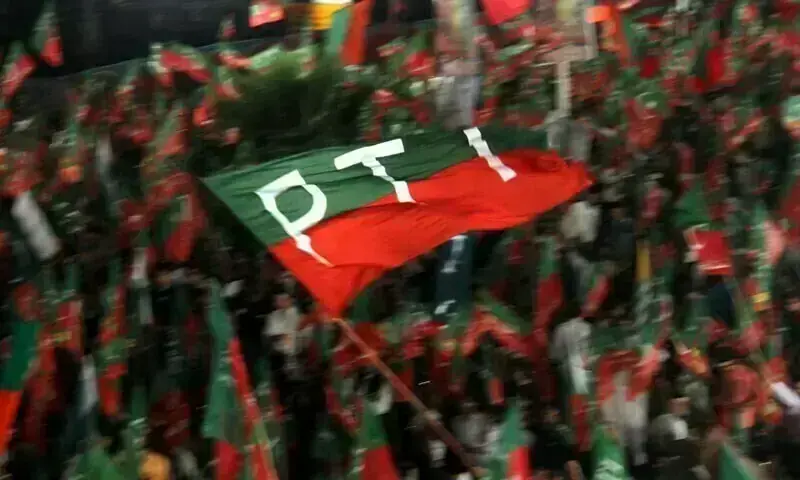
- PTI has no agricultural policy
The two protest marches by farmers in Lahore were baton-charged and led to arrests. Finally, the government agreed to talk to the marchers on the recommendations they had submitted months ago. The farmer’s organisations, however, made it known that if their demands were not met by November 10, they would march in Islamabad on the same day.
The PTI government has no agricultural policy. It has shown an inability to cope with shortages of agricultural products, make timely imports when necessary and keep control over prices. Similarly, it has failed to supply certified seeds to farmers, or to advise and help them in dealing with harmful pathogens and the impact of global warming, which is taking a toll of the country’s cotton crop. Even as the government announced a multi-billion rupee rescue and relief package for textile mills, the farmers who grow the cotton for those mills were conveniently ignored.
The agricultural sector is in a slump. Its contribution to GDP is falling. There is little realisation that the prices of agricultural inputs are increasing and the farmers who find that their investment in a particular crop did not bring sufficient profit tend to change over to other crops. Unless there is larger per acre growth, for which the PTI government has no plans, the support price on wheat will have to be increased every year, leading to resentment and unrest in the low-income groups of the urban population.
There is no realisation of the damaging impact of the reduction in area under cotton on the textile industry. This year, the area is projected to decrease to 2.2 million hectares – which is 12 per cent lower than the last year – mainly due to cotton farmers’ shift to other remunerative crops like corn, rice, and sugarcane. The cotton area is expected to decline due to the potential threat of pest attacks, uncertain weather conditions, and the insufficient availability of certified seed. The government could have played a role to help the cotton farmers, but it didn’t. Now to keep the textile exports growing, it will have to rely on imports again, this time of raw cotton, causing the country’s forex reserves to shrink.